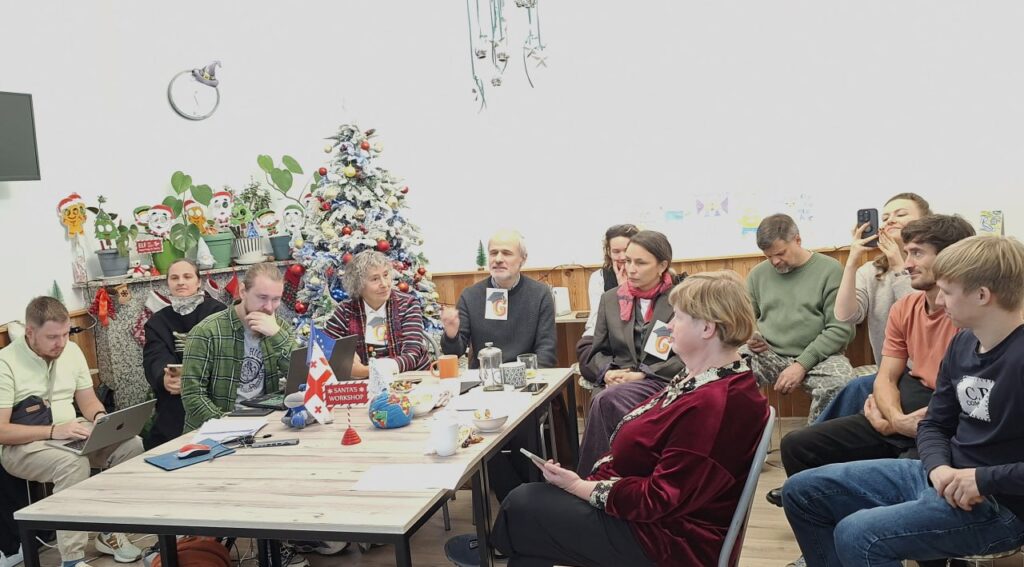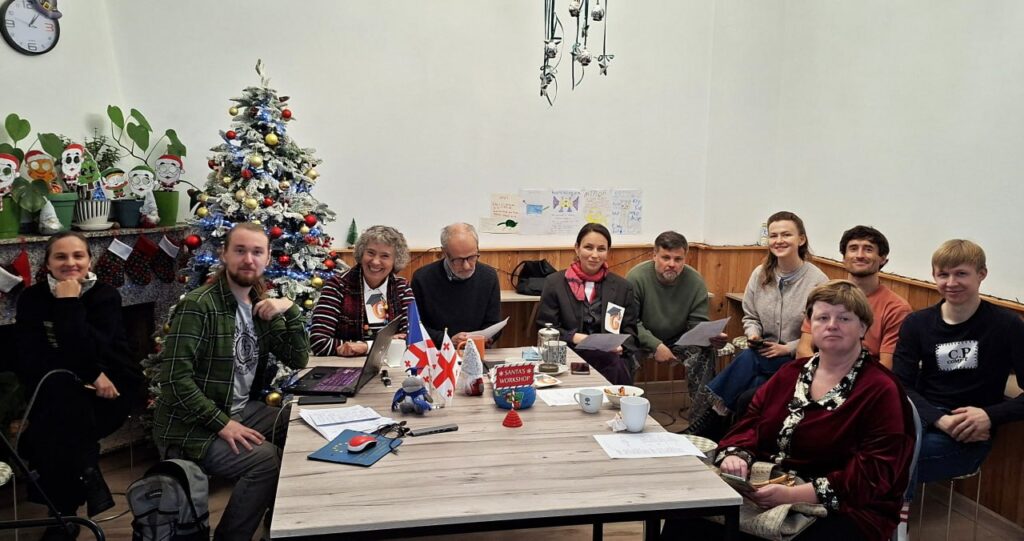
DEFENSE! — a strong 💪 word! 😄 as if protecting yourself from some harm. In case of academic defense, you seek to protect your intellectual reputation, to prove 🧾 that your thoughts 🧐 and analytical ability are worth attention.
Global Nomad University introduced Public Defenses of Final Course Works from the very first 🥇 study semester, so we keep this demand as a key criteria for awarding Nomad Course Completion.
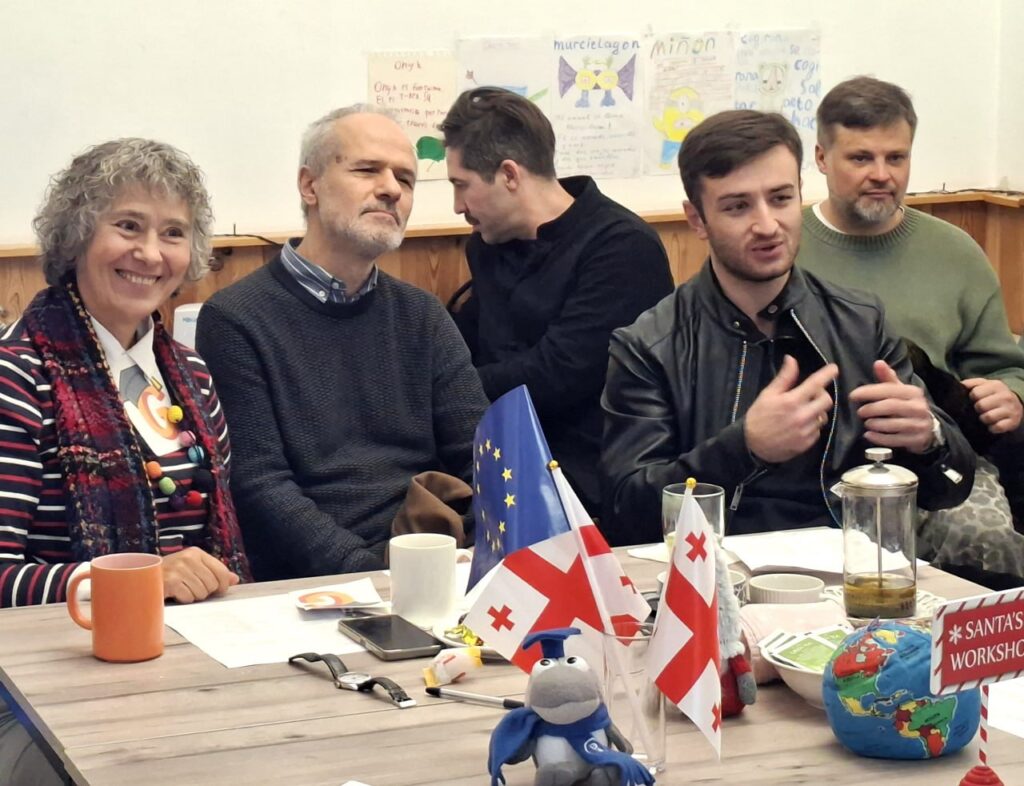
If the course is offered in ENGLISH, the Final Work is in English as well, with English-speaking Defense Commission — to award the English variant of the Certificate, so that students could add it to their University Application Portfolio.
English Defenses of this Autumn semester reached the level that we never had before. Party, due to the fact, that some defenders had completed Nomad courses before — on other subjects — and were advancing their work on similar research topics. Actually, 😏 we are learning, that much better Final Works can emerge, when our students take courses in different semesters, gradually accumulating their academic skills 😉
But some students were completely new 🆕 to the Nomad format of learning, but still, managed to present their research 😸 on the level, that took Defense Commission by surprise 😮 that such innovative results could be achieved through only five Nomad weeks of intense studies 😄.
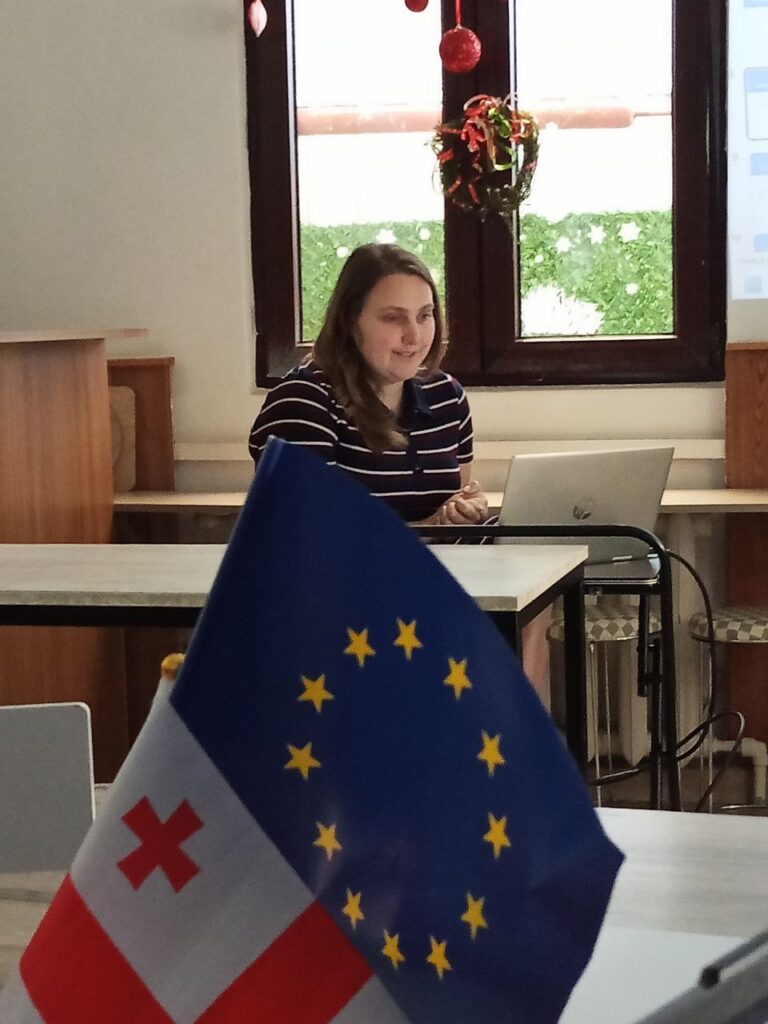
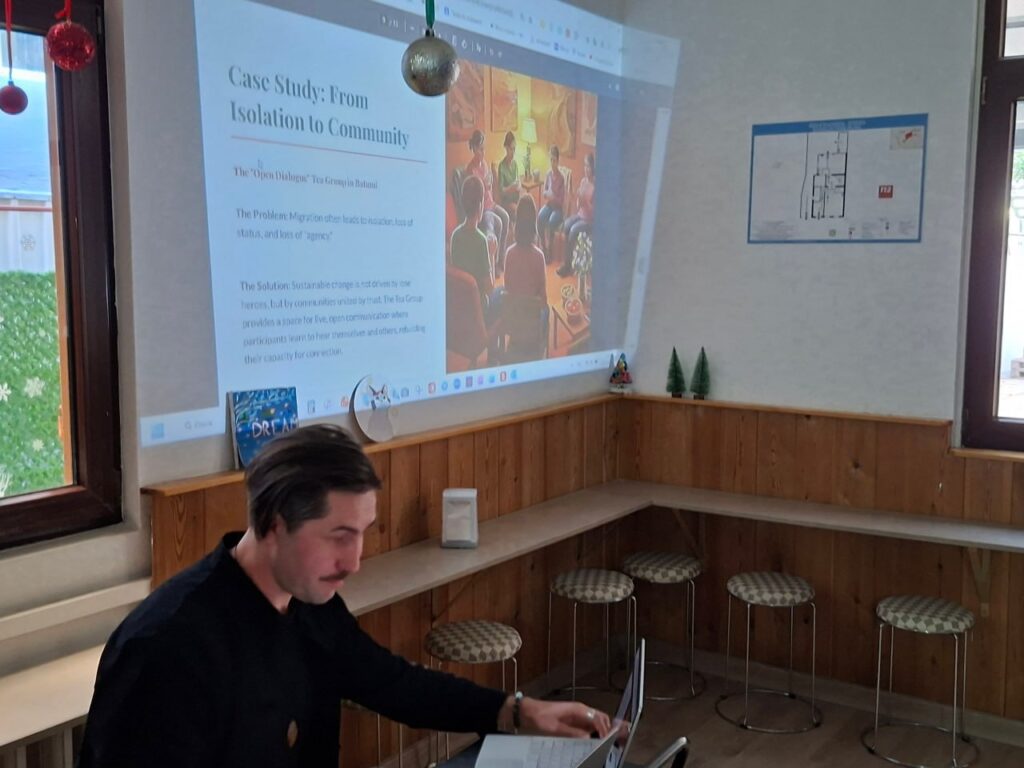
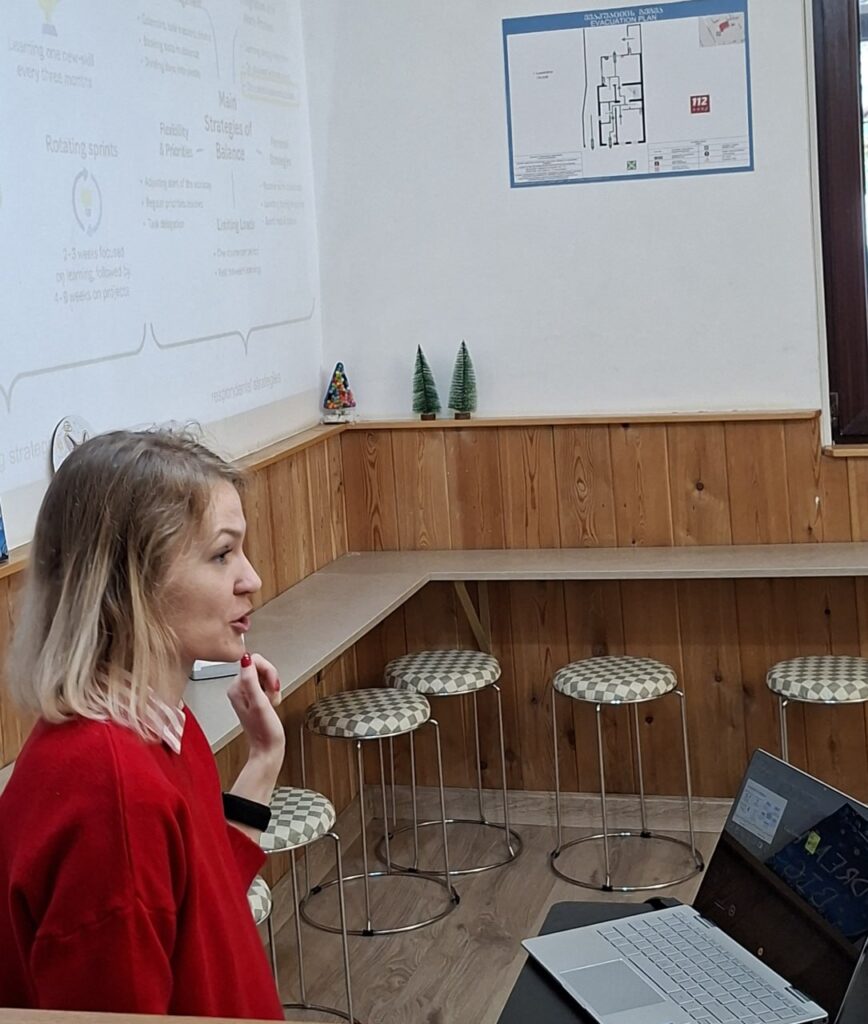
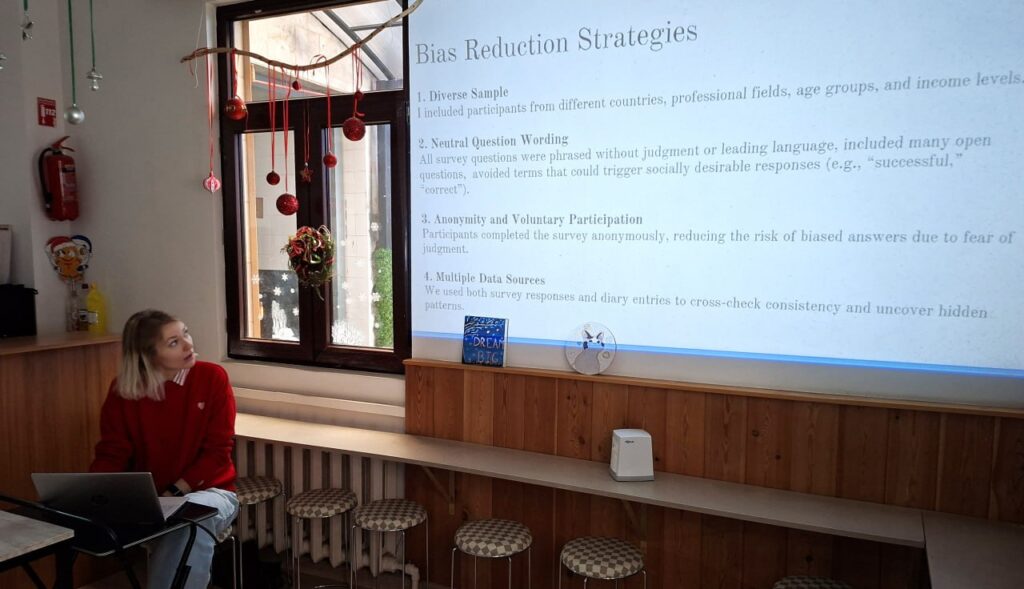
One of such “surprises” was Alexandra, who started the English defenses in the second part of the day, with the topic, crucial to the unique teaching model of Nomad University: she studied the learning needs, work habits and demands for the “work-life ballance”, pursued by new global workforce people, working remotely, usually referred to as Digital Nomads 😁. Alexandra was able to collect unique data — from her friends and colleagues, working remotely and currently residing in different countries, using factor analysis and interpreting findings of resulting data tables through the factors of income level and free time, that allows to perceive education not as a “burden”, but as “investment in self-development” 😉
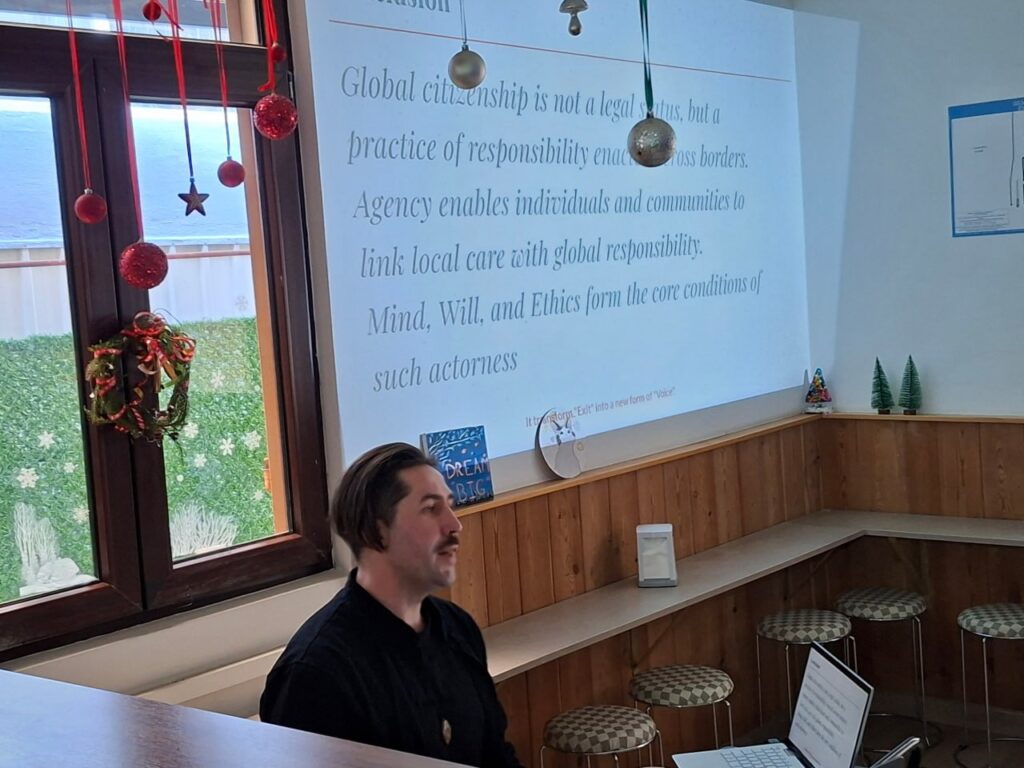
Boris, as one of the most experienced Nomad students, took a challenge to re-consider the very notion of much researched concept of “global citizenship” — both as “escape” from repressive regulatory practices and as “re-uniting” with other free individuals, rather than authoritarian governments.
His search emphasize the importance of ethical component of citizenship as “contribution to community”, rather than “demanding privileges” from powerful authorities, and he explores, how the local communities, working on specific local issues can cooperate and contribute to the common “global agenda” of sustainable development, voluntarily accepting the role of global citizens 🤠
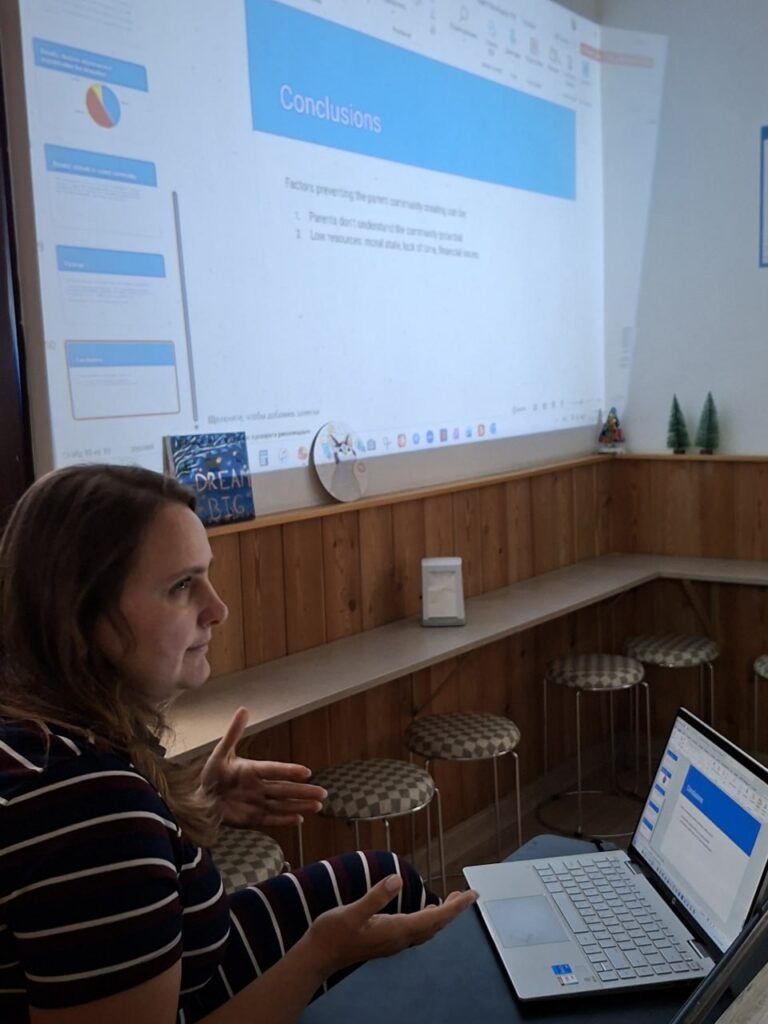
Julia, a psychologist by profession, was also continuing the topic from her previous study, focused on parents from the RF relocant families whose kids attend secondary schools in Batumi, exploring, how much the ideological indoctrination at RF schools were a factor of emigration, and how much parents are ready to form functional communities, that could influence in their kids education. The research results, based on deep semi-structured interviews, showed low interest in building parent communities, though quality of school education is frustrating. This suggests a need for the further study, exploring, why the strong common values — against indoctrination — do not lead to creating community, that was the initial hypothesis.