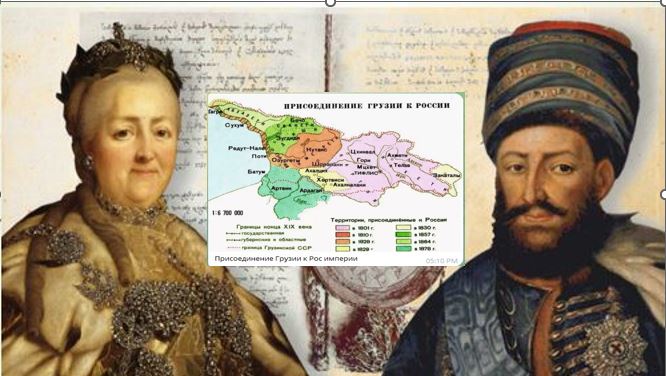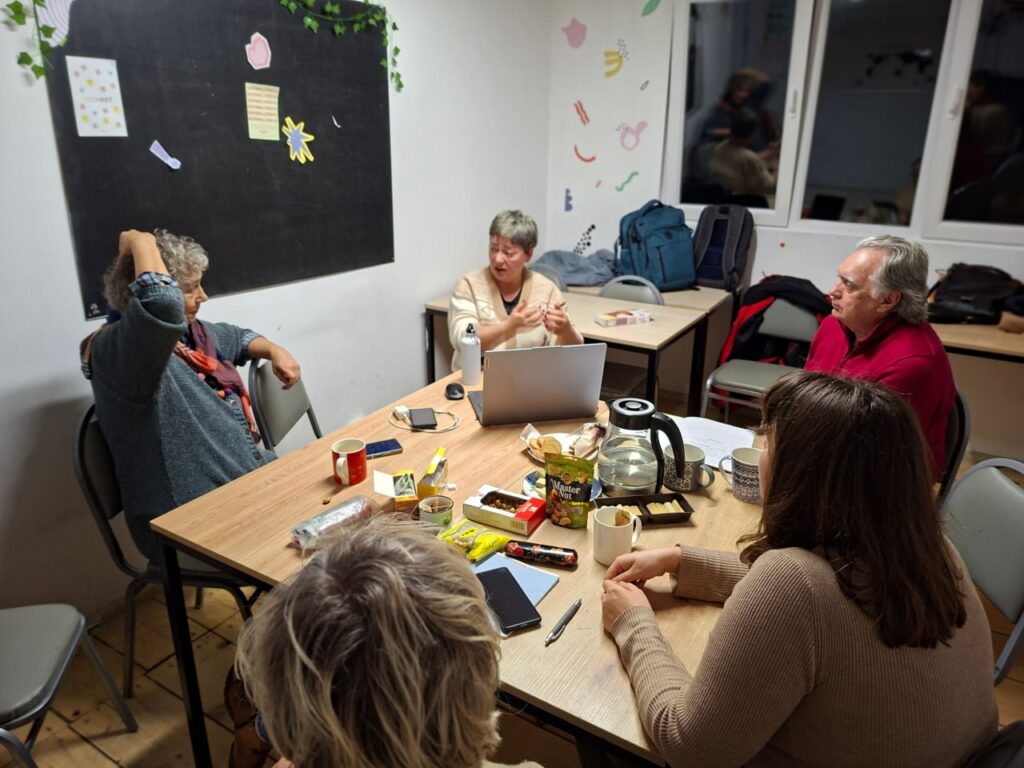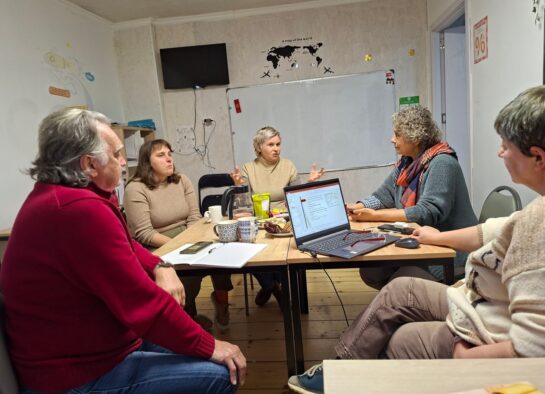
The first session was dedicated to the key historical event that firmly connected the destinies of the peoples of Georgia and Russia — the Treaty of Georgievsk.
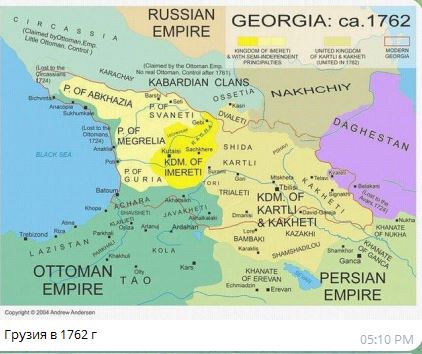
The lecturer, Nazi Rekhviashvili, began her account of the history of Sakartvelo long before the signing of the Treaty, with the period of fragmentation and endless wars that Georgian princes fought against the conquerors from neighboring powerful and well-armed empires — the Persian and Ottoman Empires. Trying to preserve independence, land, language, culture, and the Orthodox faith, Georgian kings maneuvered between the invaders, moving from one side to the other, exhausting their lands in endless wars.
When Heraclius II began negotiations with Catherine the Great in the 18th century, he — as Georgian historiography claims — essentially had no other choice but to turn to a third “big neighbor,” the Russian Empire, which professed Orthodoxy, for support and protection.
Many hopes for this protection were not fulfilled, since the Russian Empire had its own interests in the region, its own calculations for victory in wars and for governing an expanded territory: Russia introduced its own governors, abolished the autocephaly of the Georgian Church, and effectively annexed the territory of Georgia.
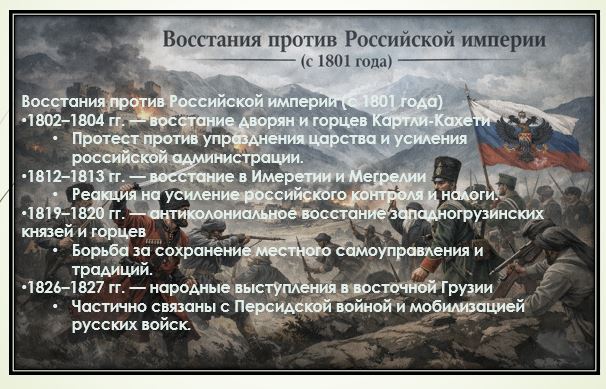
It is no coincidence that after the signing of the Treaty and up to modern and contemporary history, uprisings against the Russian Empire did not cease in Georgia — right up until its collapse.
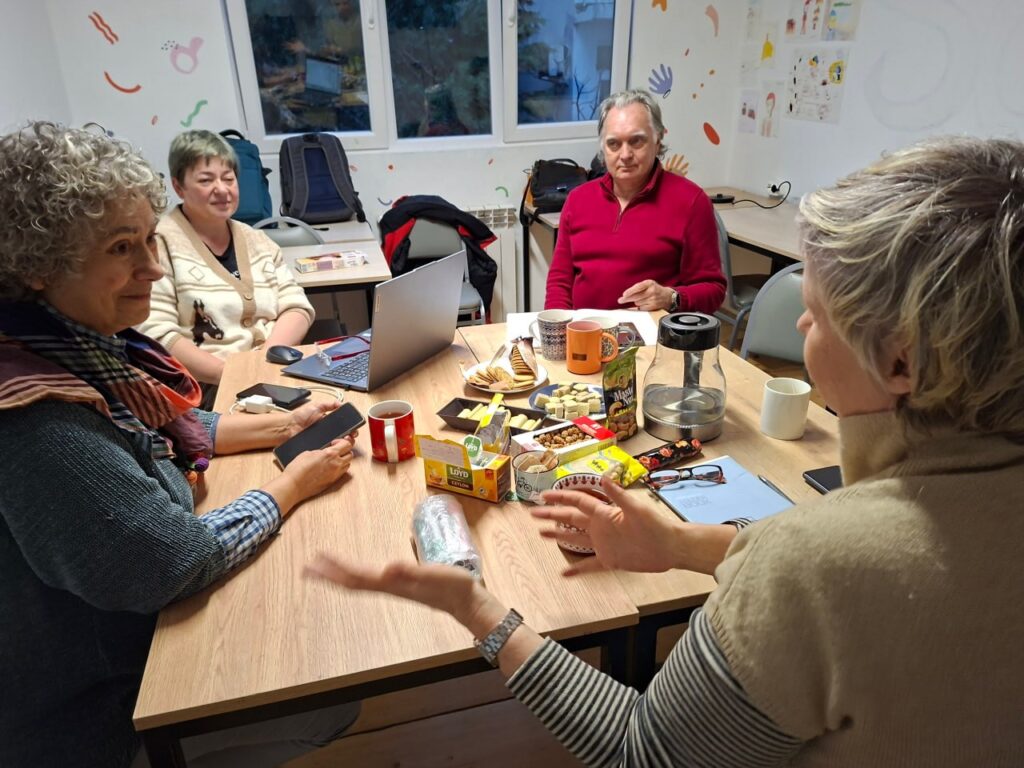
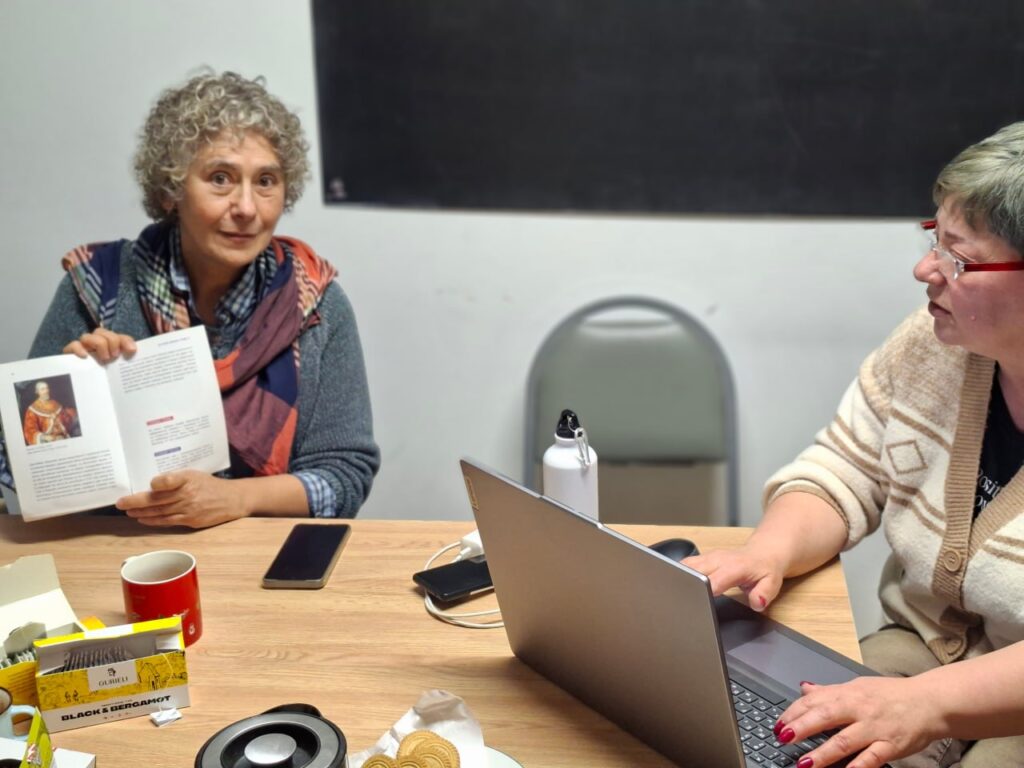
The course participants turned out to be thoughtful and curious: already at the first session, they brought several books on the history of Georgia published at different times, actively joined the discussion of various episodes from the ancient history of Sakartvelo — in its relations with powerful neighbors — and discussed different possible developments at historical “crossroads,” the historical choices made by leaders of countries at sharp turning points in their history.
Debates about history, based on facts, research, and books, are fascinating — especially when the course is taught by a representative of the culture being studied! Many thanks to the lecturer for her readiness to answer numerous questions, both in person and in the study group chat!
Ahead lie new sharp turns in the History of Sakartvelo: at the second session, we examined the independent Georgian Republic of 1918–1921 — there will be a separate report about this,
and today, April 4, we will look at the Soviet period: the dissident movement from 1956 onward and the mass protests in defense of the Georgian language on April 14, 1978.
Join us!