Our Graduates

Inessa Khazarashvili

Inessa Khazarashvili

Course: Immunity: Fundamentals and Approaches to Strengthening It + Acupuncture: The Magic of Body Points

Our courses on immunity and acupuncture points have come to an end.

I was drawn to Chinese medicine, and it was no coincidence that I found myself among wonderful people who tirelessly keep growing and moving forward despite many obstacles.

First and foremost, this is our lecturer Evgenia — an inspiration for bold steps in acquiring fundamentally new and unusual knowledge that reveals ourselves to us, along with our possibilities and abilities.

Thank you so much for introducing us to points that allow us to manage our bodies, support healing, inspire hope, and even give us confidence that we are capable of much more than we think.

Rina Maksyutova

Rina Maksyutova

Course: “Psychology of Conflict. Mediation”

Ulyana’s course “Psychology of Conflict. Mediation” became a real discovery for me, as I knew nothing about the “jar of emotions” — an amazingly simple and universal tool for understanding the nature of conflict, one’s own state, and the other person’s position. This is important knowledge.

What was especially valuable is that the course was not only theoretical, but also deeply practical. In every session, we practiced skills: we learned to use I-statements, to reframe, and to try to understand what lies behind a conflict. I am deeply grateful to Ulyana for this valuable and transformative course!

Elizar Belozertsev

Elizar Belozertsev

Course: All Around Us

Готовый перевод с сохранением абзацев:

I first encountered Nomadic University when it was still a lecture hall, at an open lecture with a discussion of political regimes. I liked the accessible format of presentation and the discussion aimed at finding answers to complex questions — and when I learned that the lecturers were opening Global Nomad University, I immediately enrolled among its first students.

The range of courses was broad, and I chose “Everything Around Us” by Artem Samoilenko, a course about the history of humanity’s knowledge of the universe, physics, space, and everything that is “around us.” It turned out to be a great choice! I found myself in a group of curious and interesting people with a wonderful lecturer. The questions we discussed reached such a scale that after leaving the classroom, everyday and life difficulties only made me laugh: “Why was I even worried about such a trifle?”

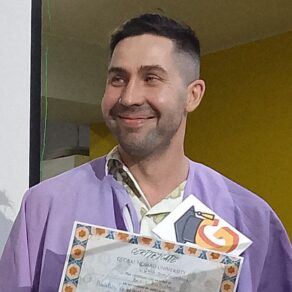
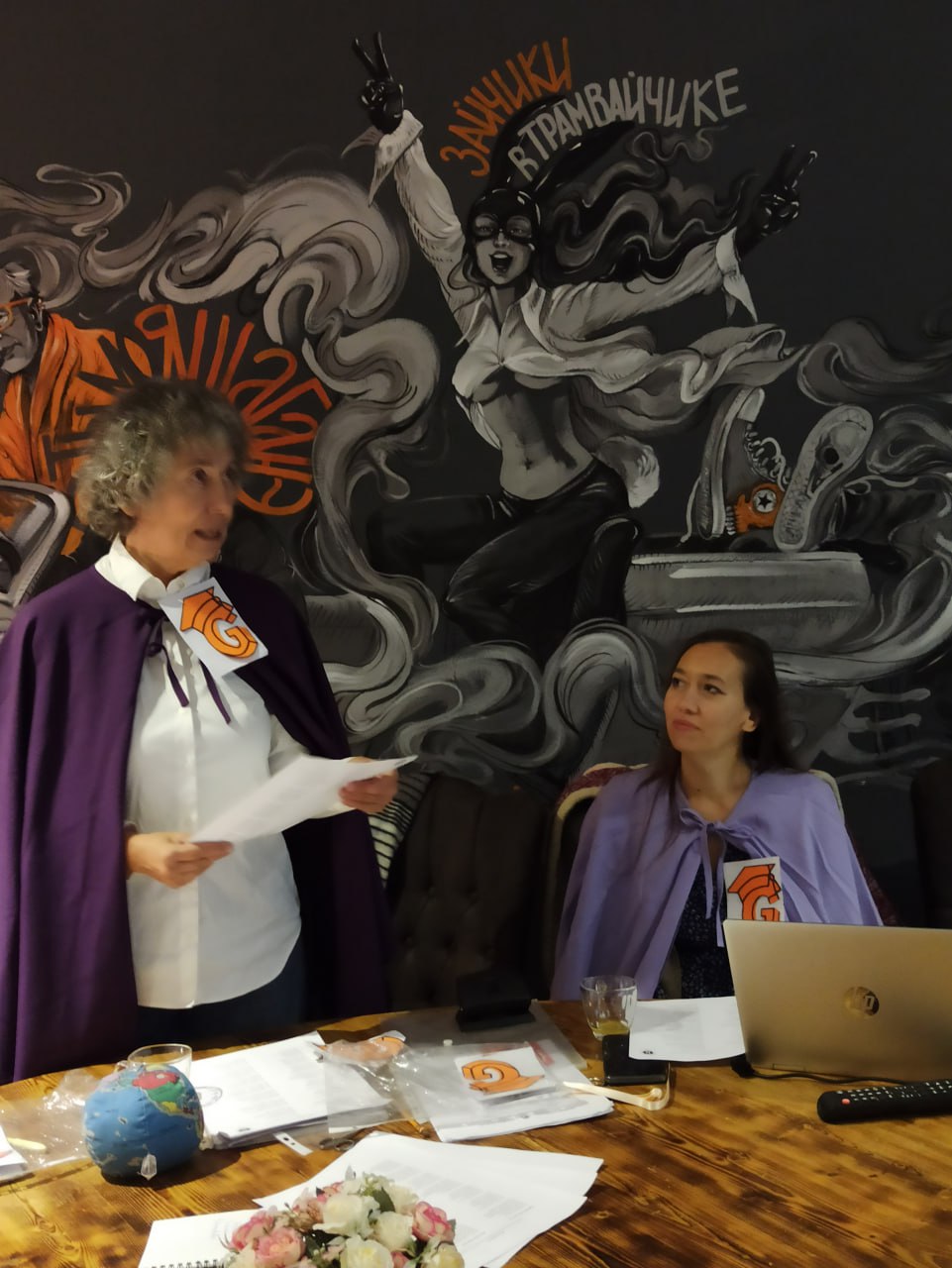
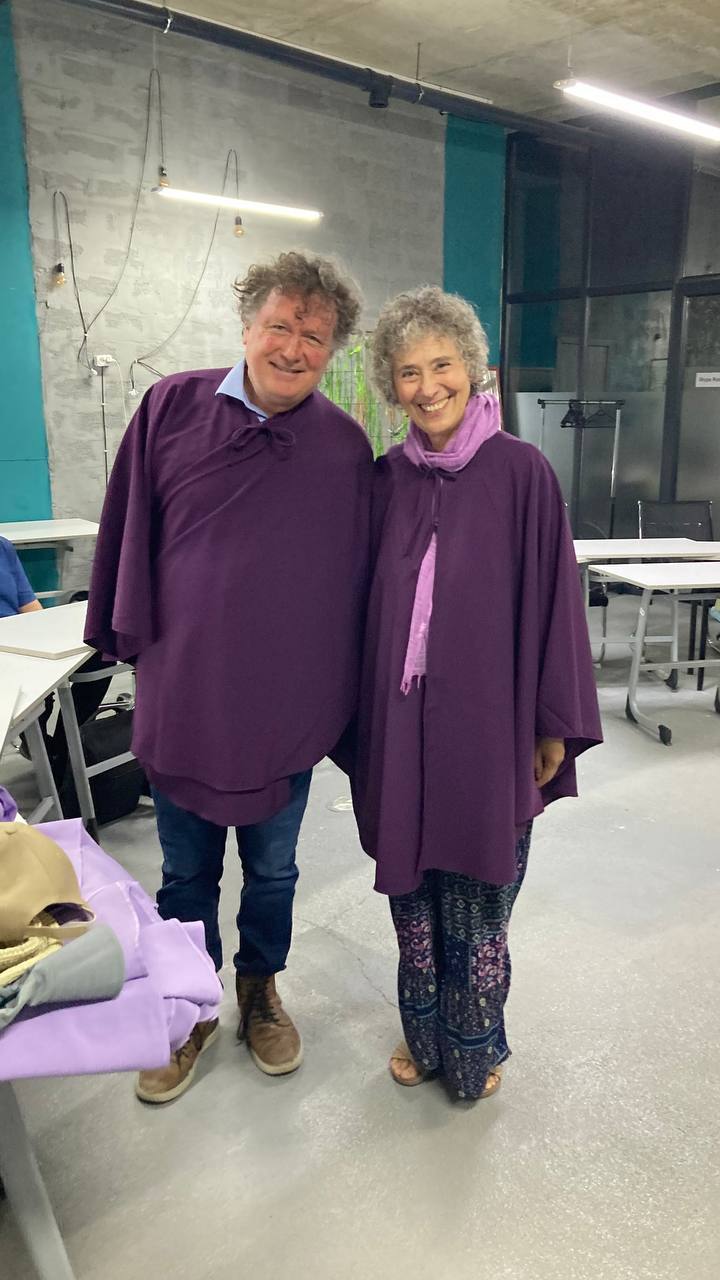
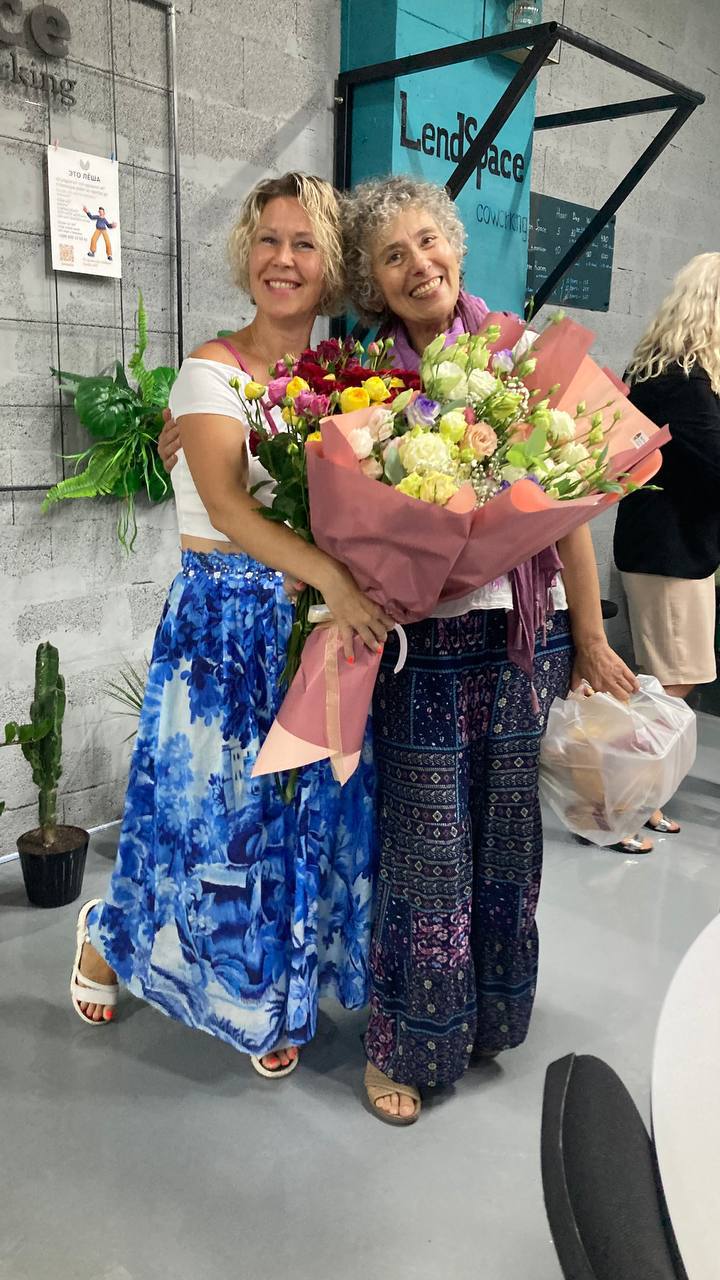
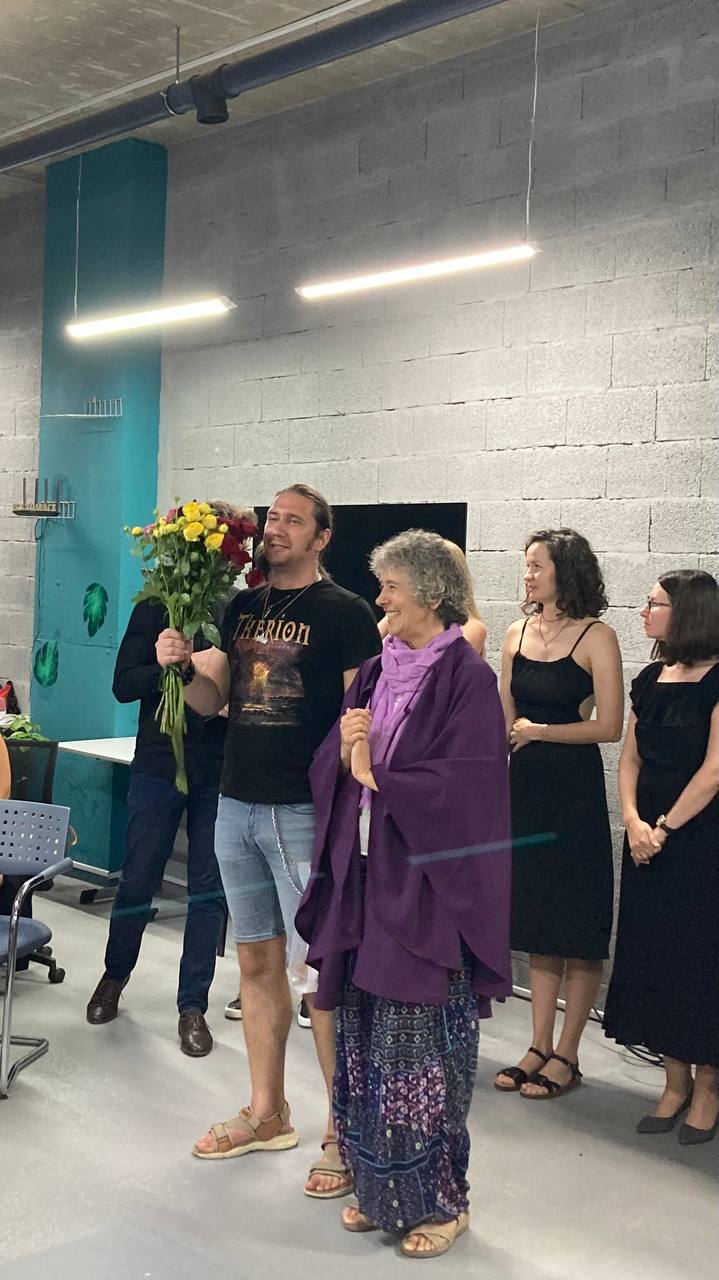
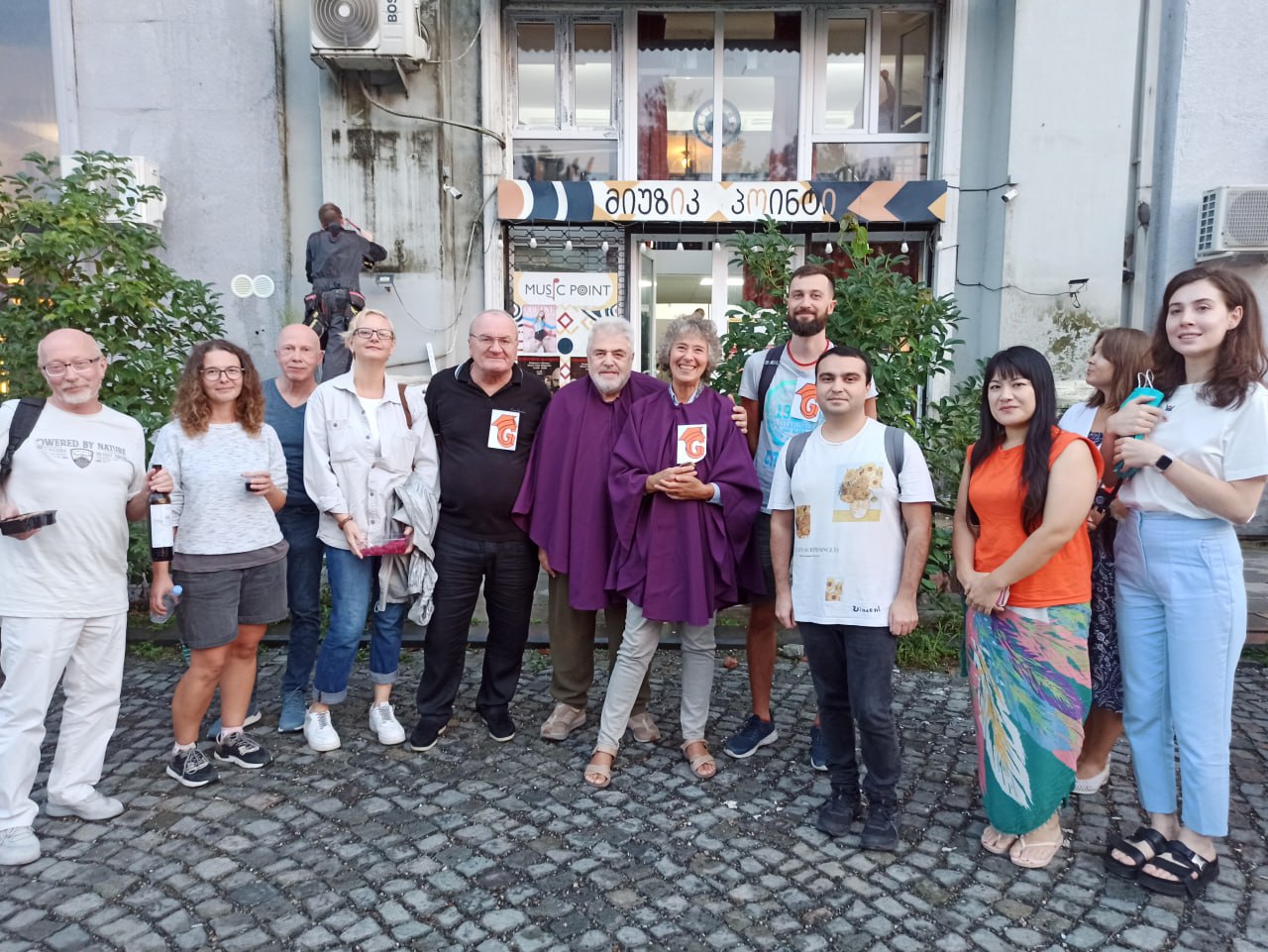
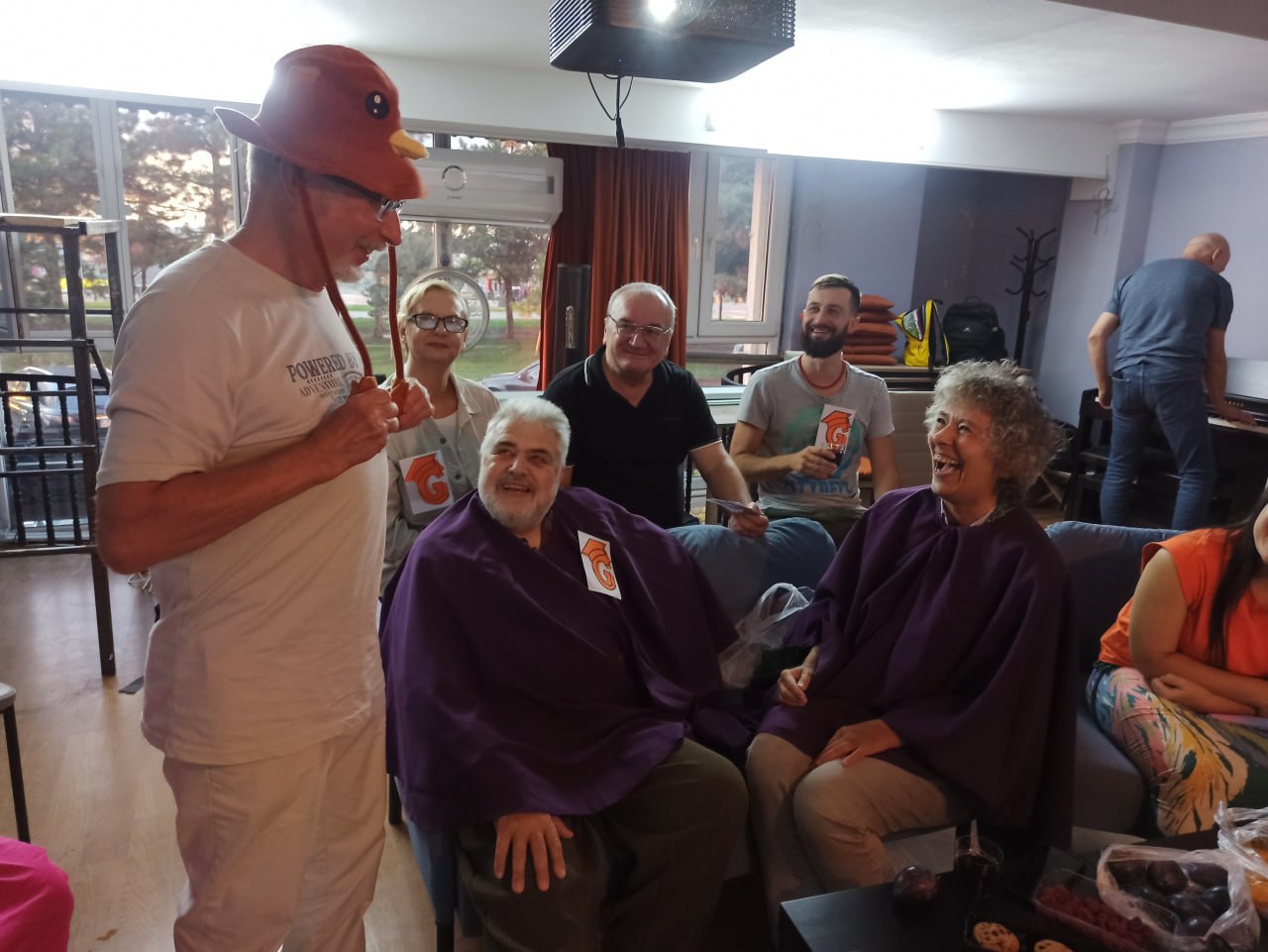
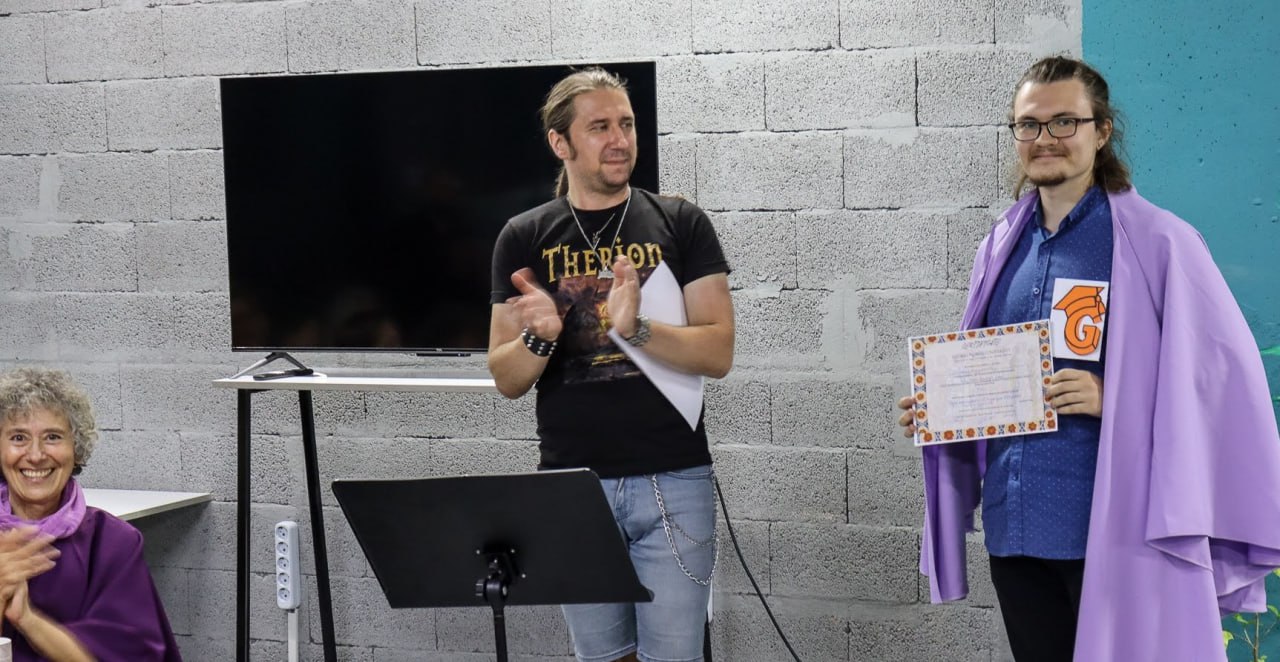
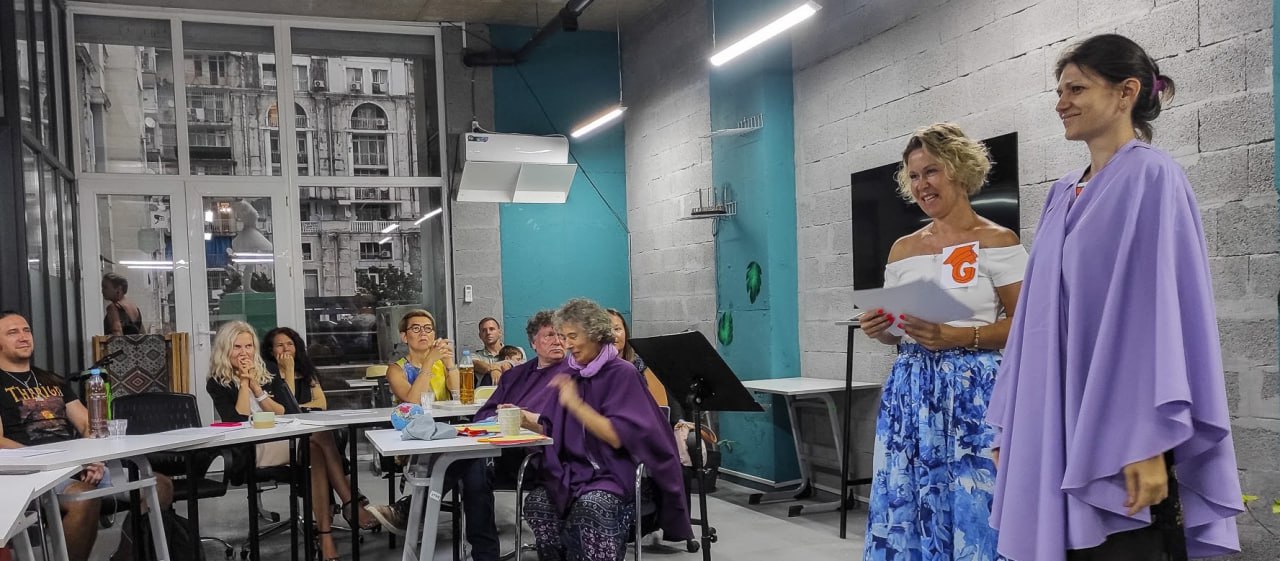
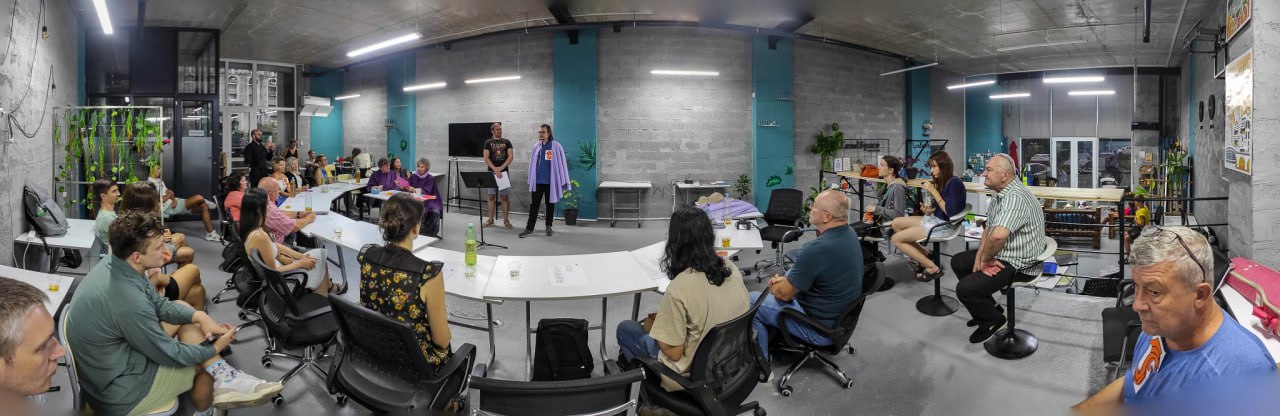
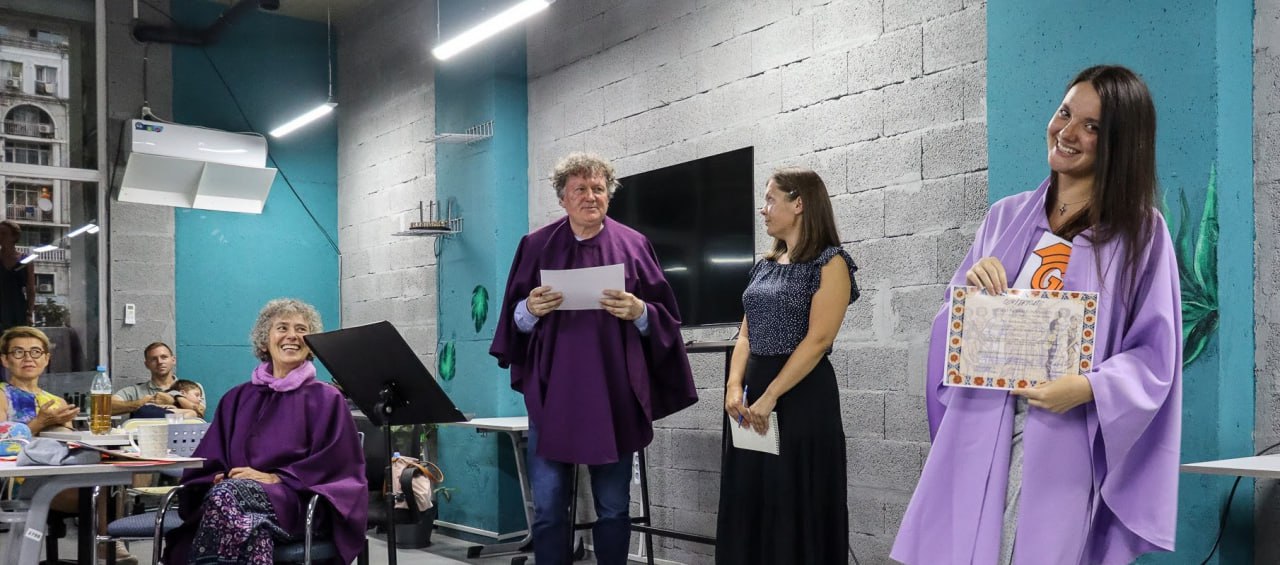
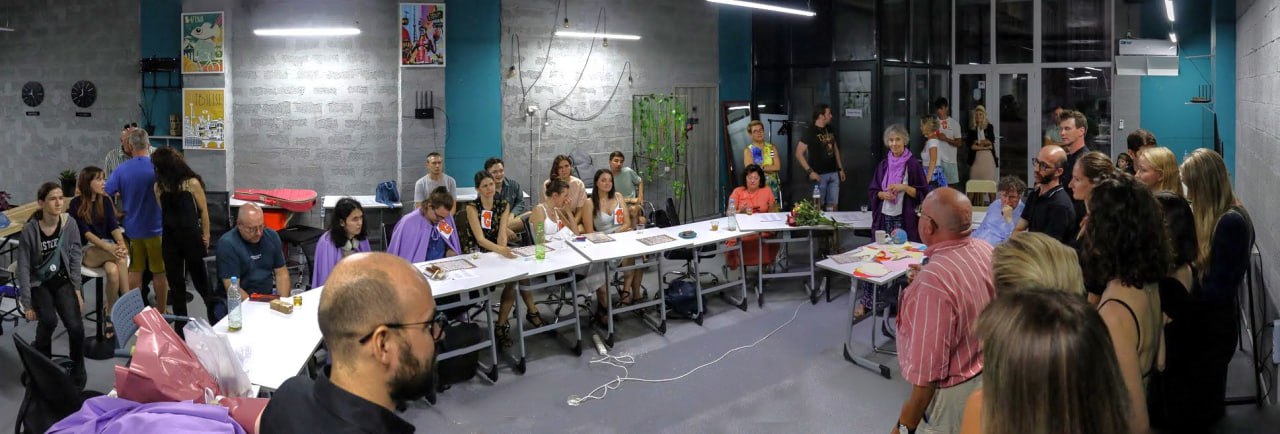
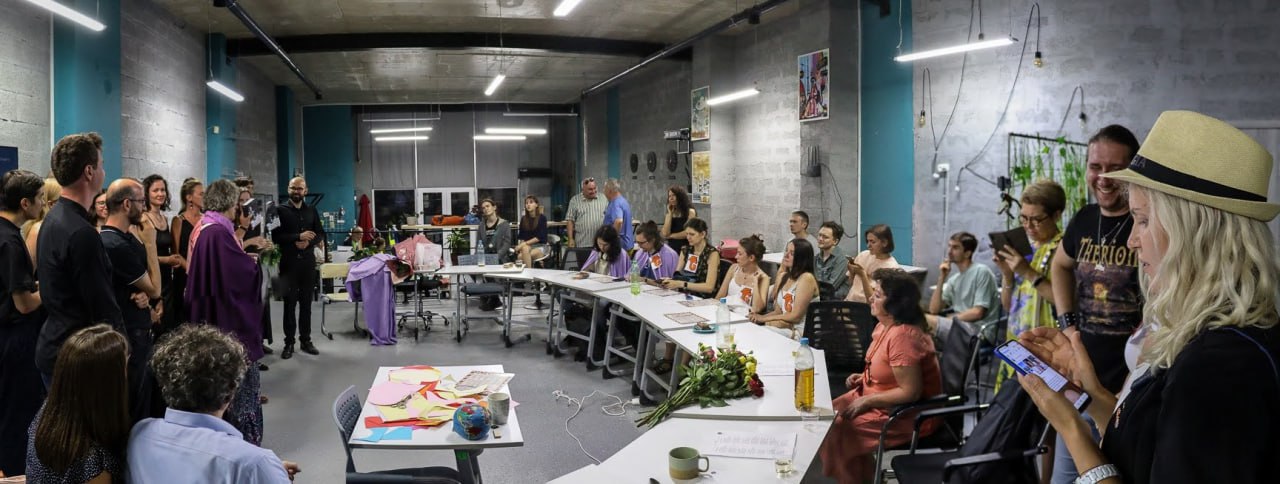
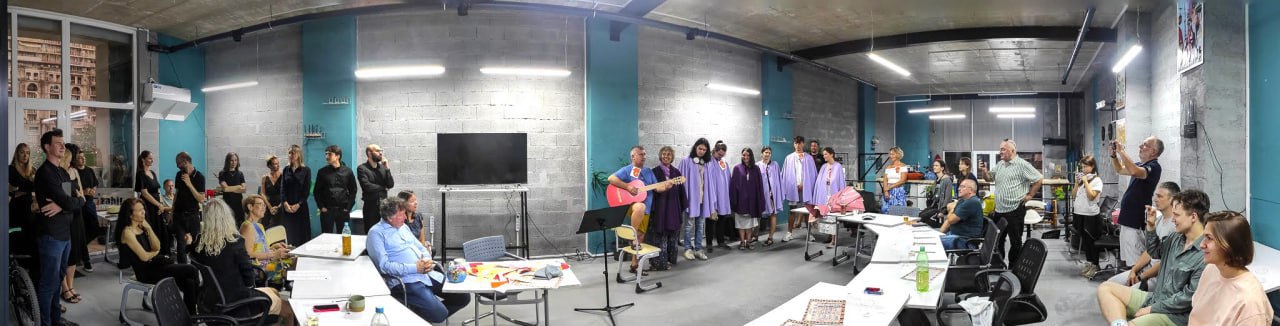
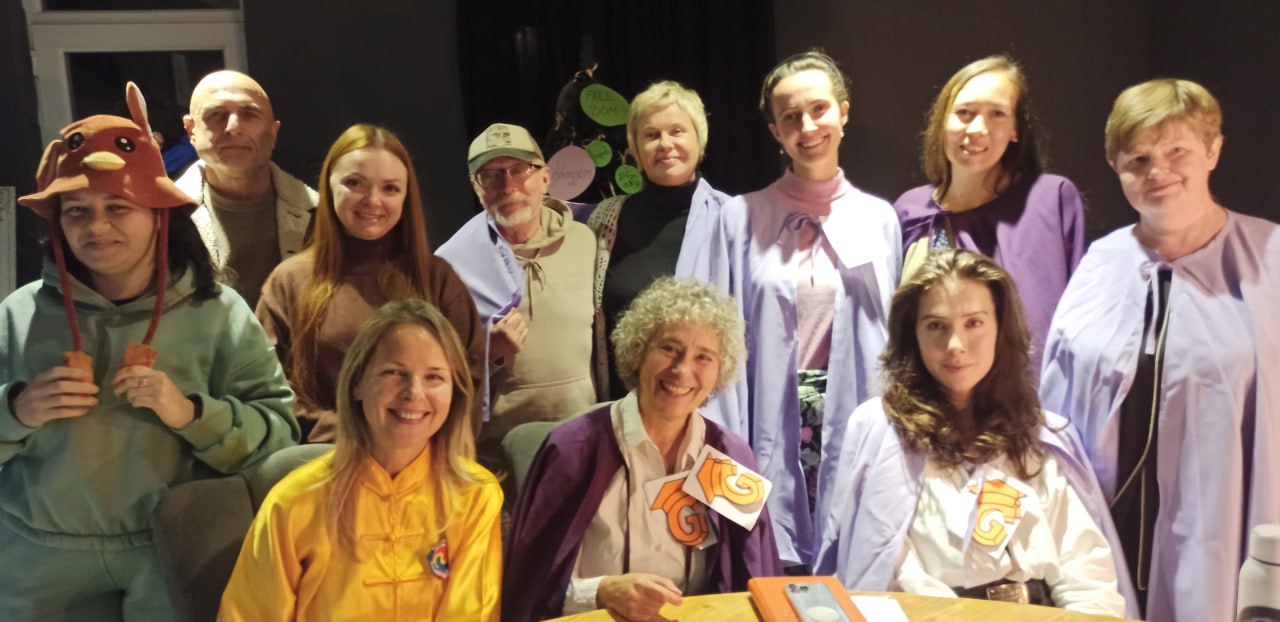
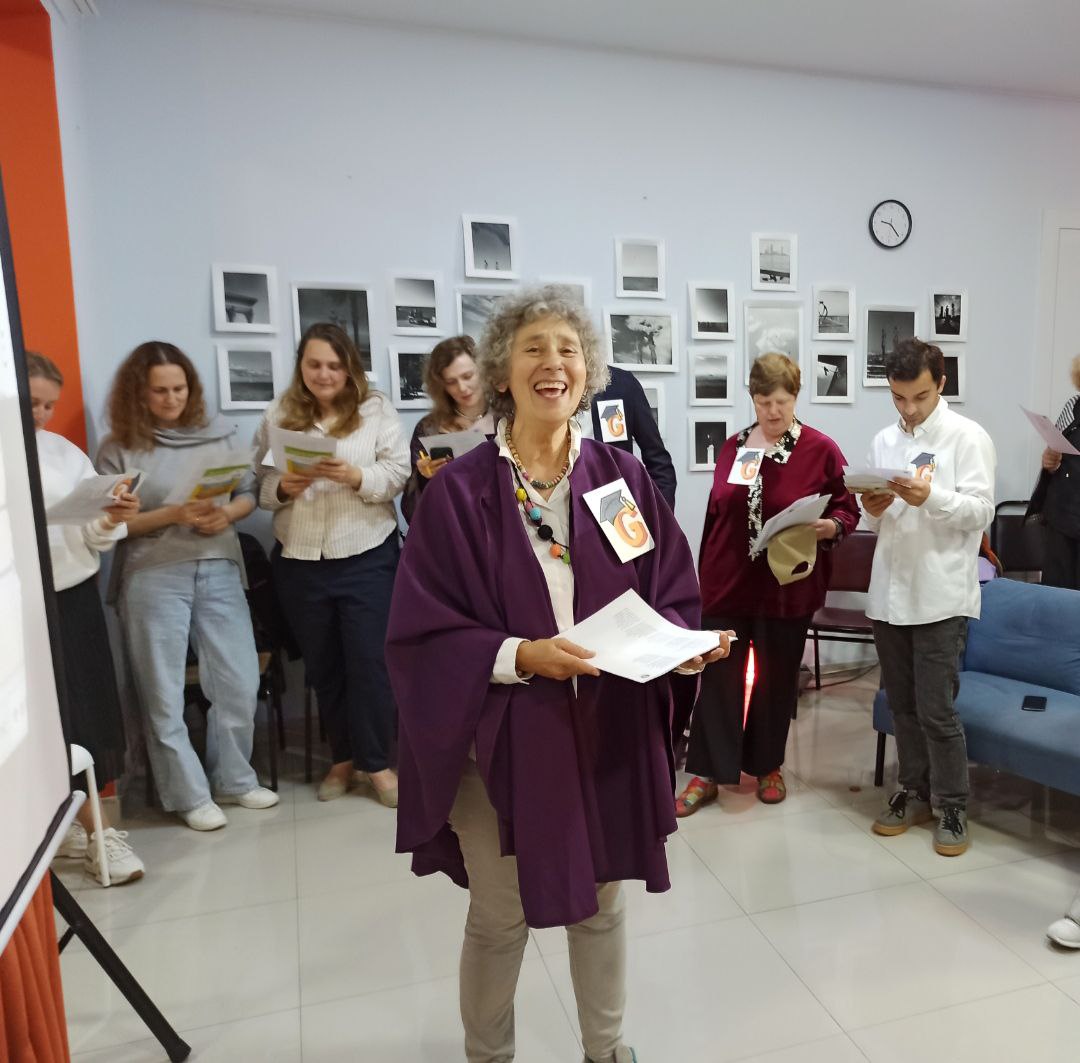
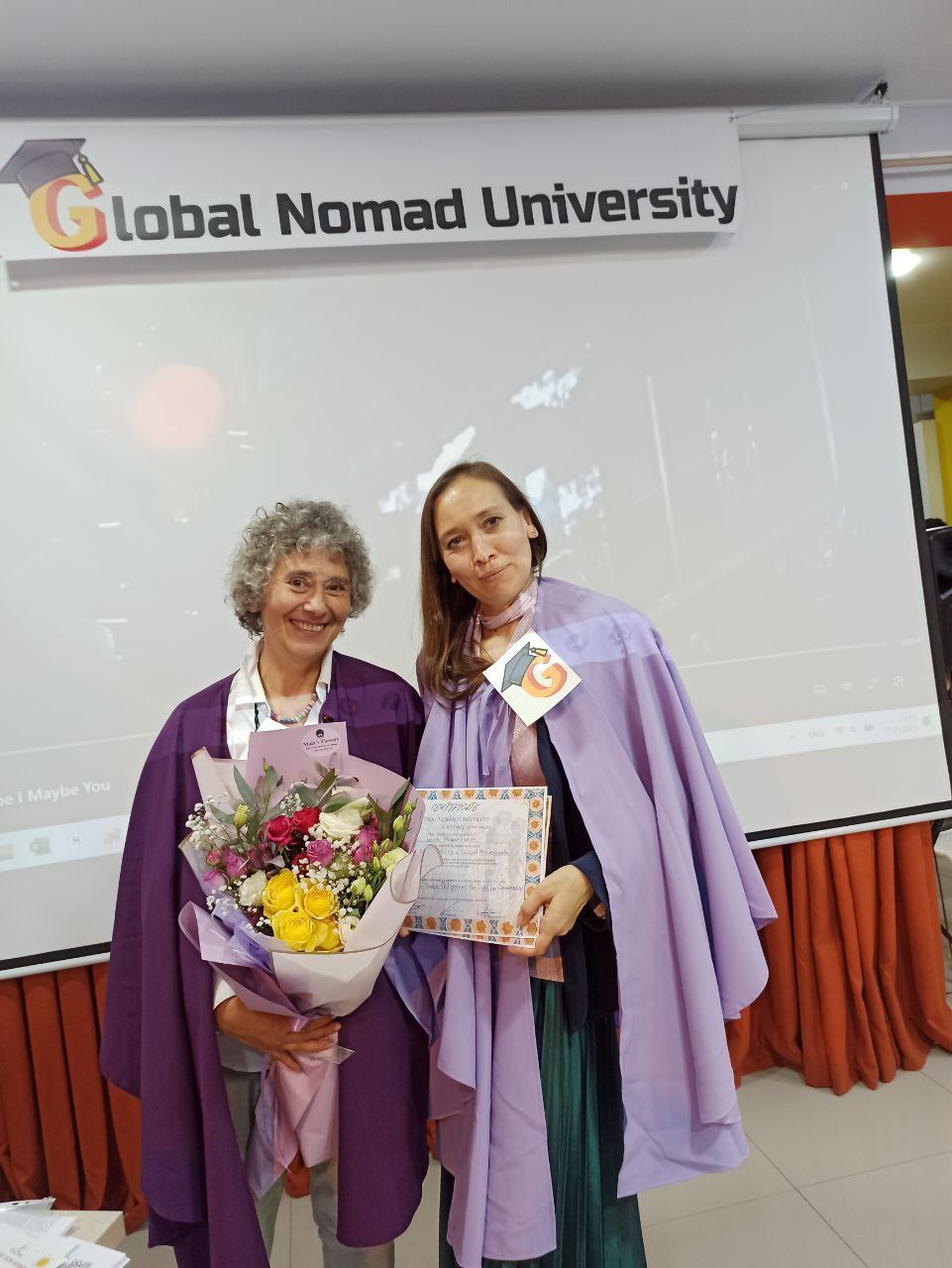
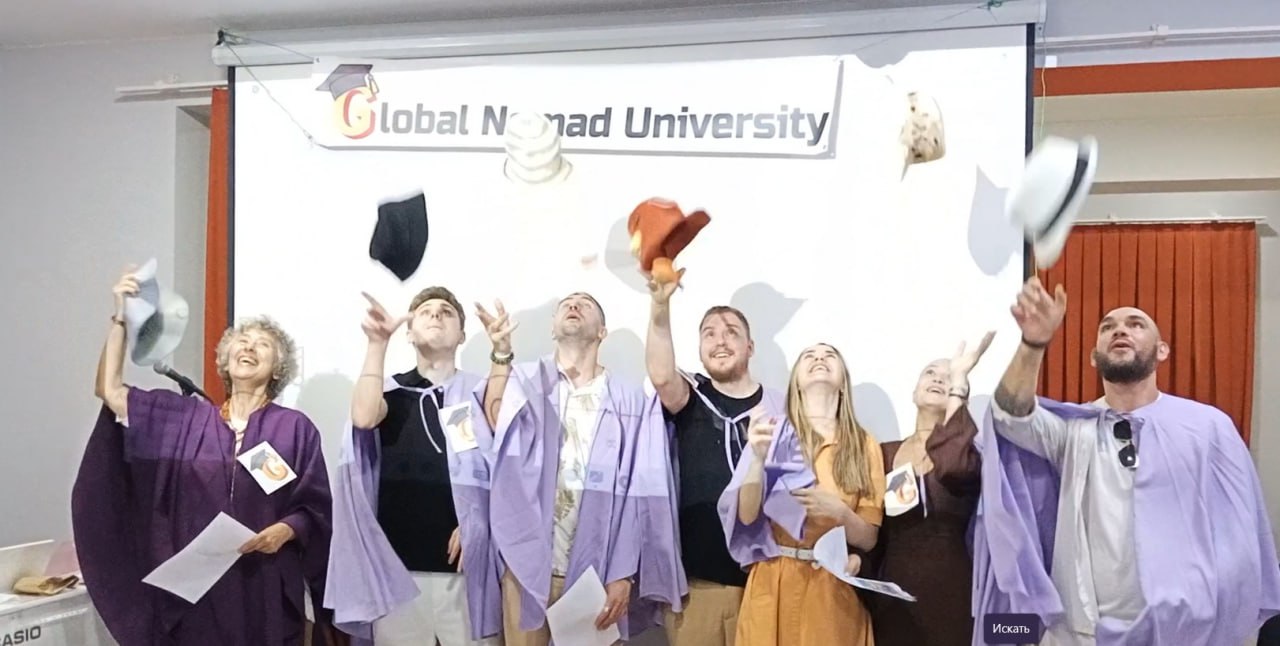
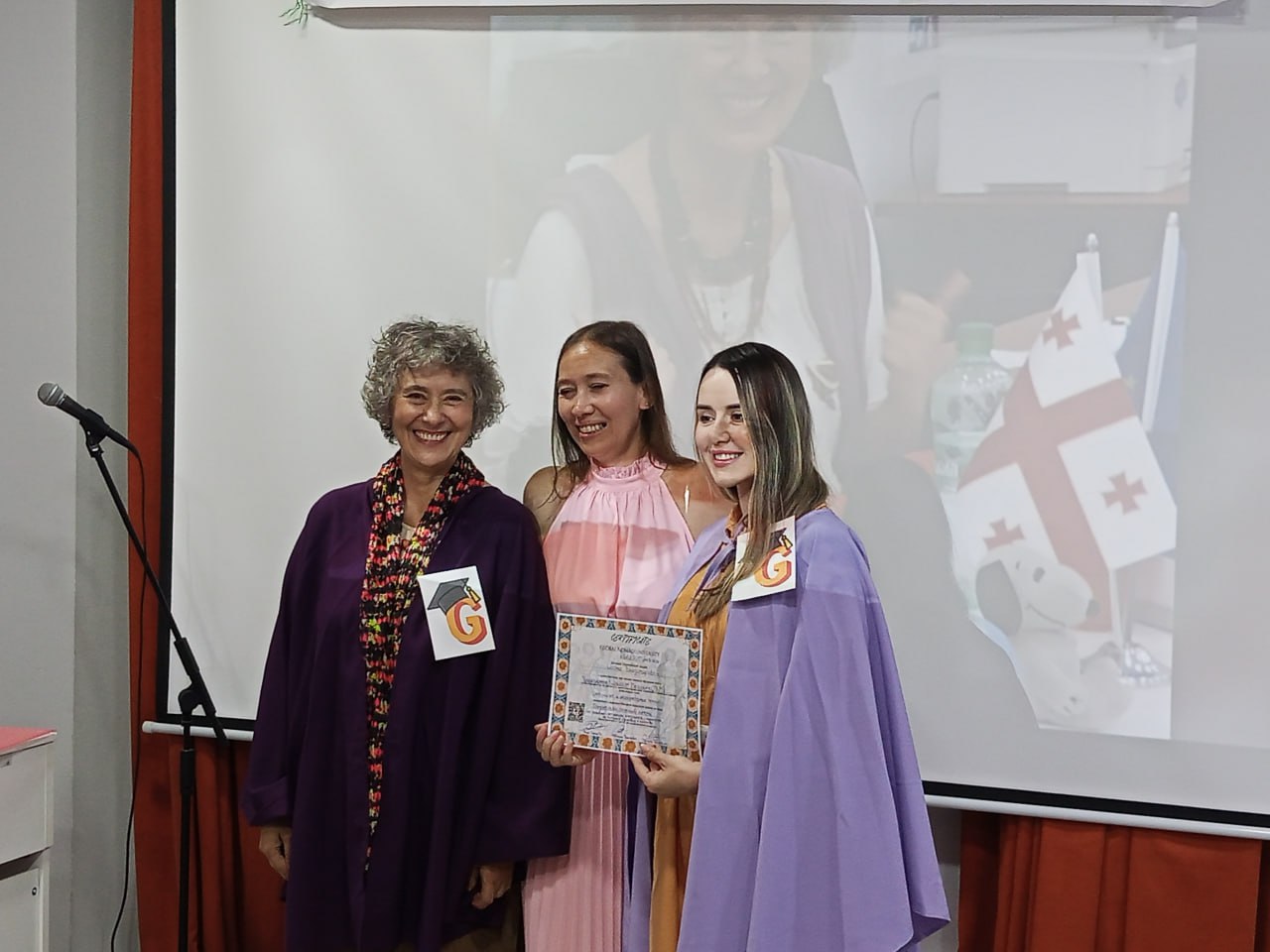
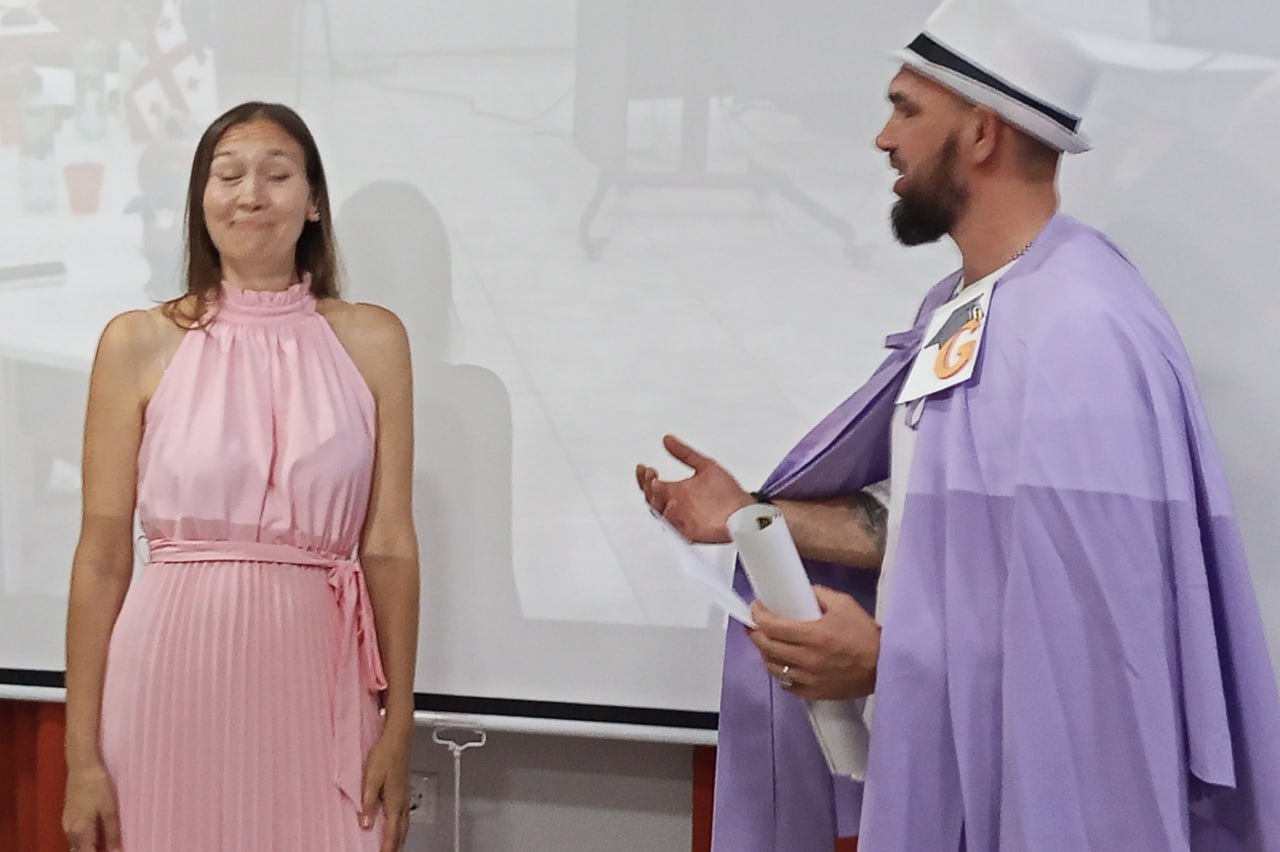
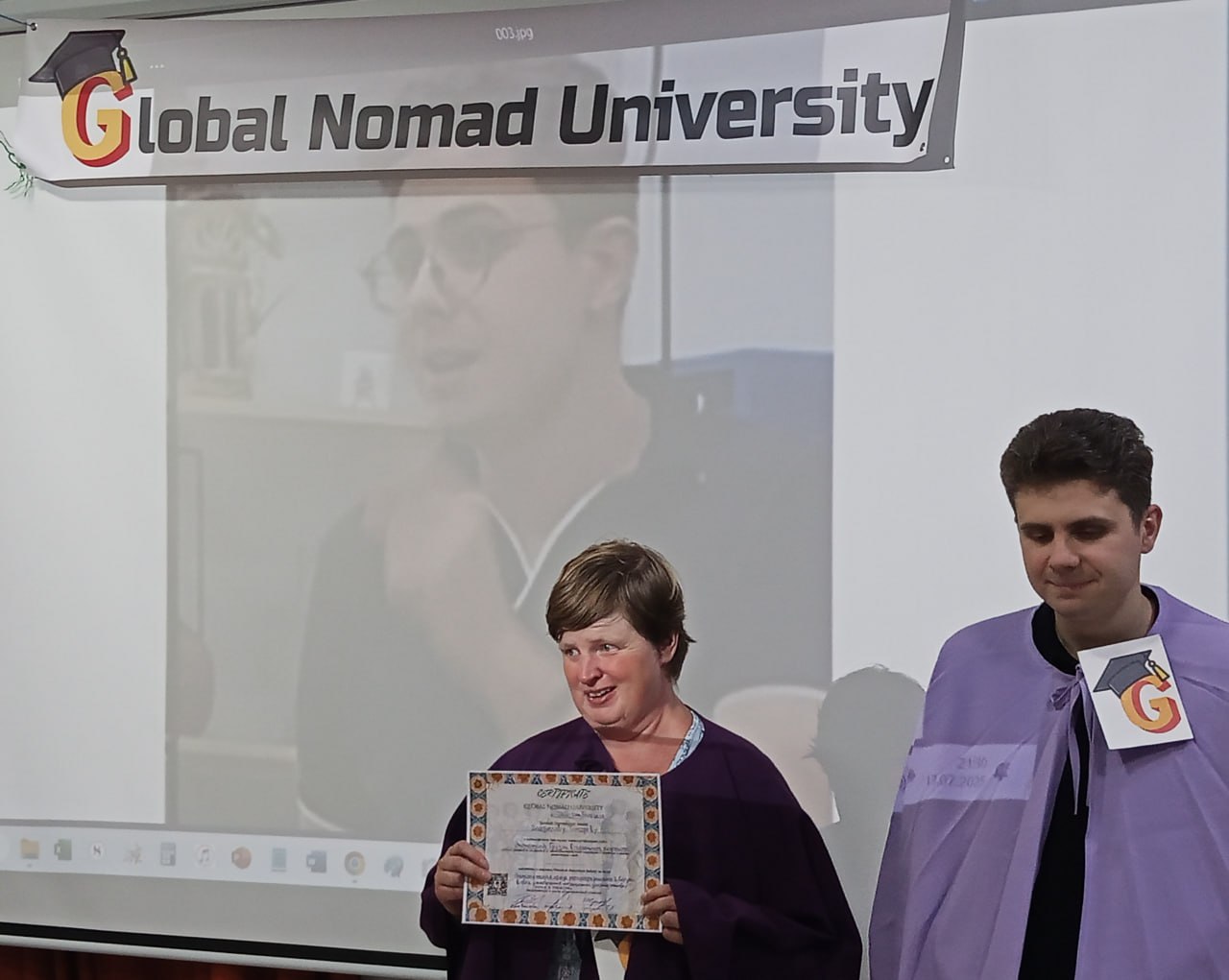
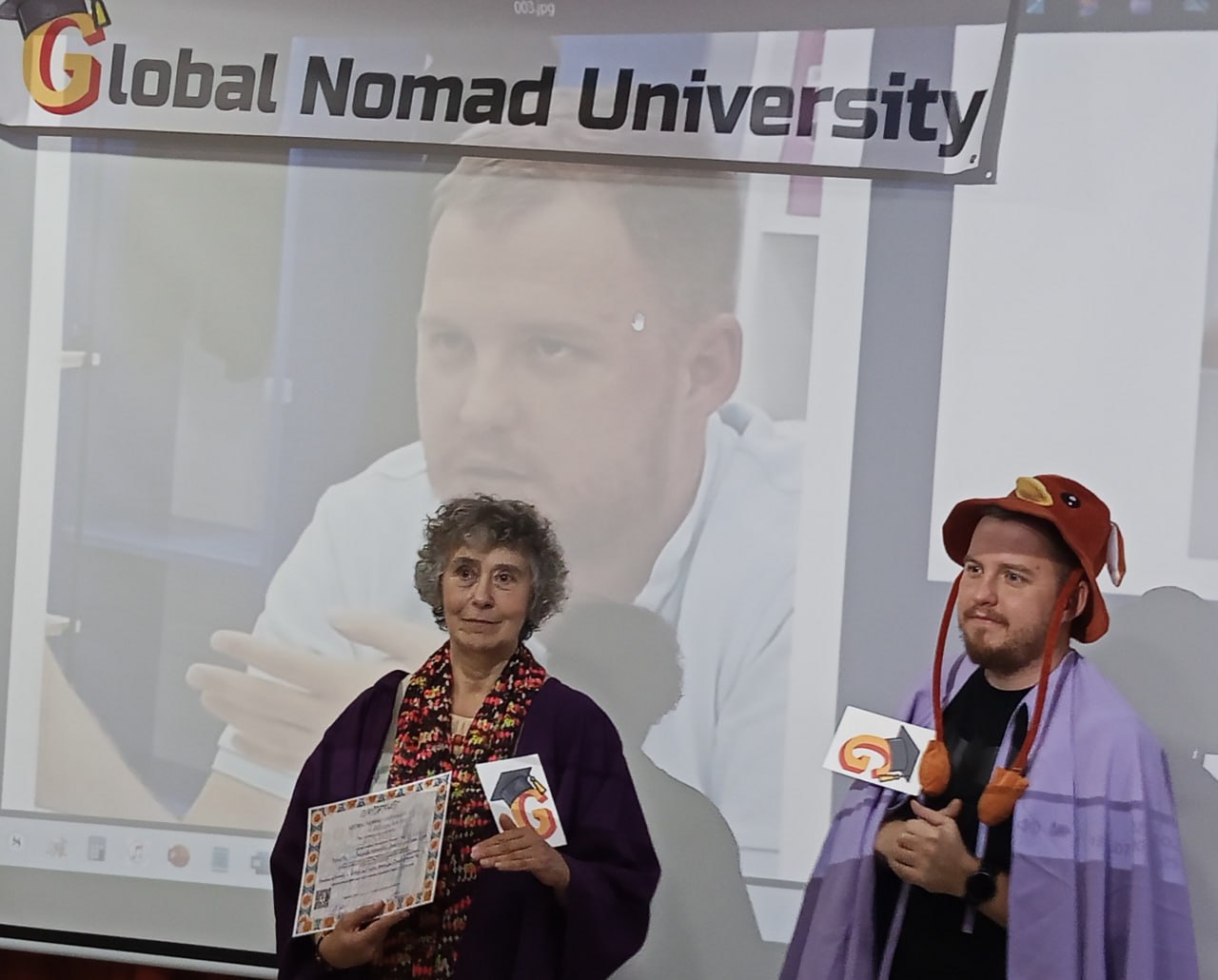
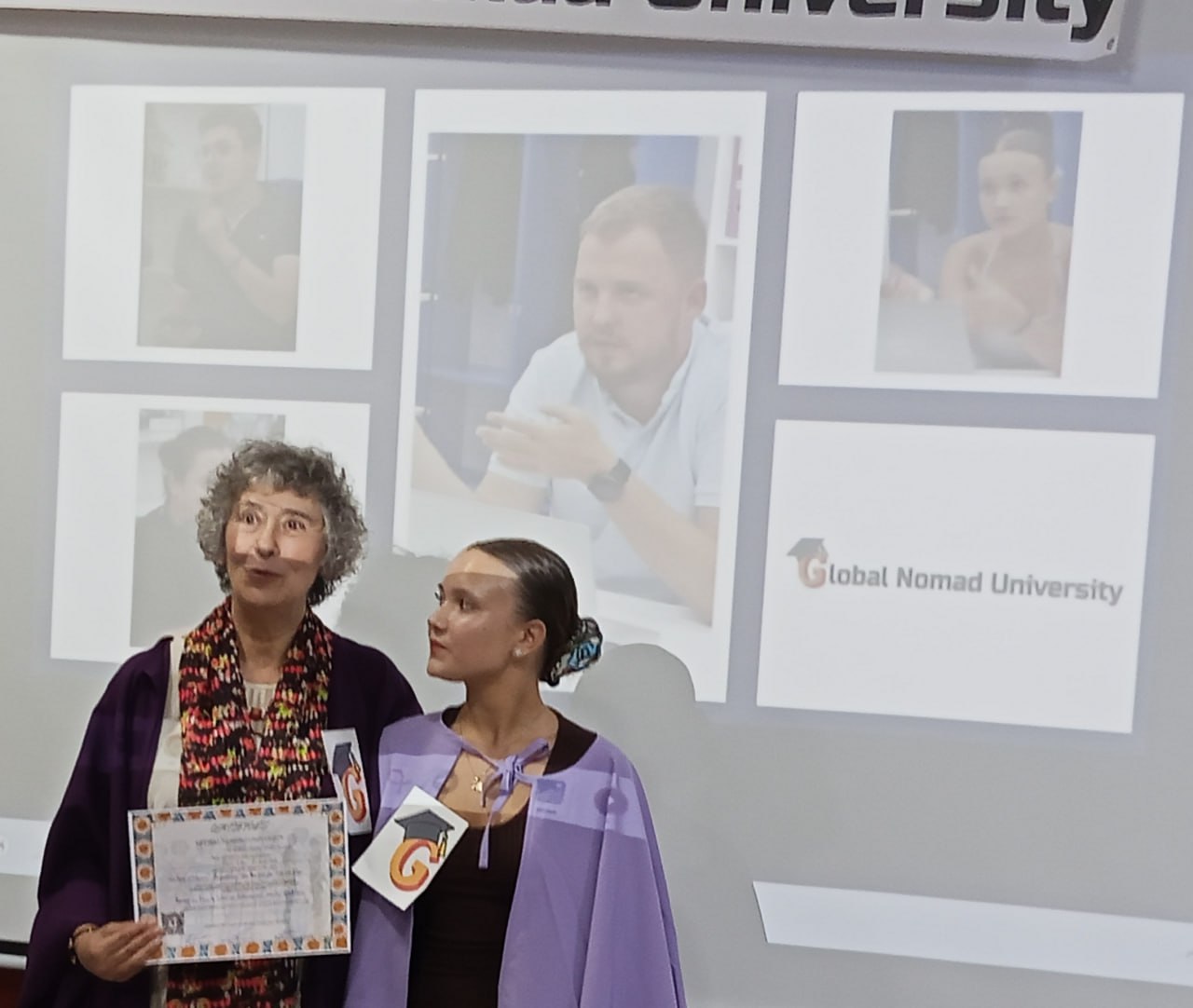
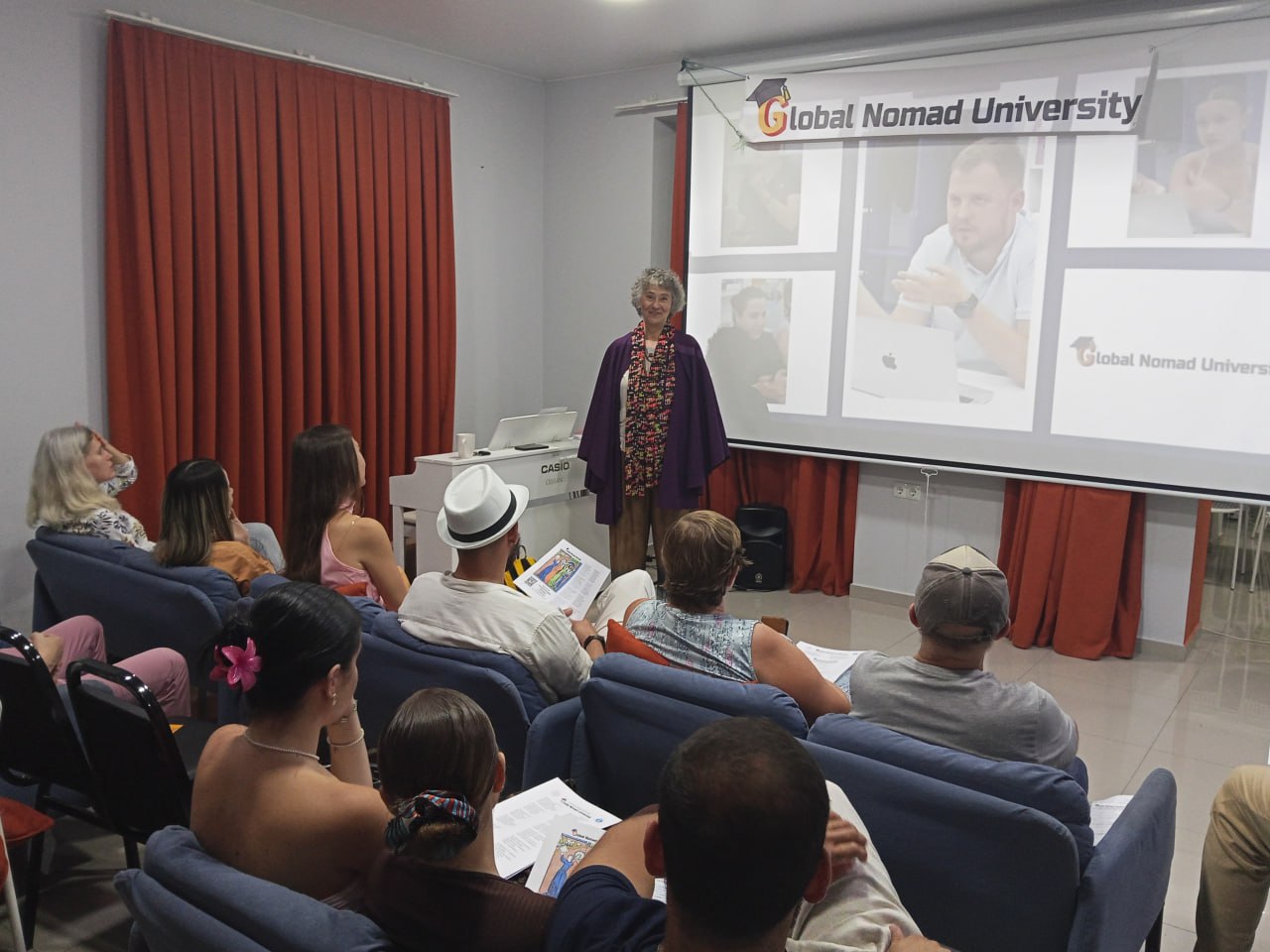
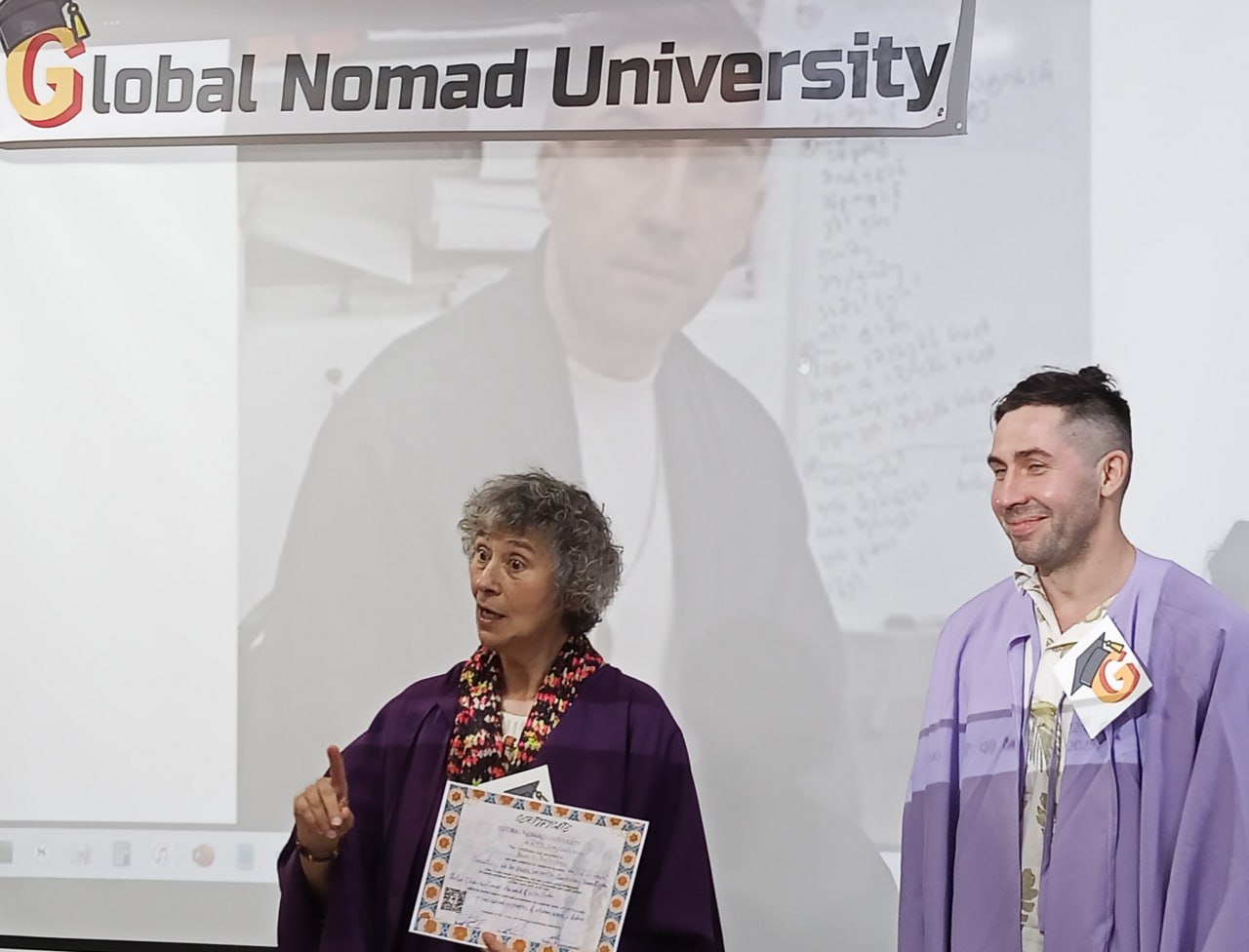
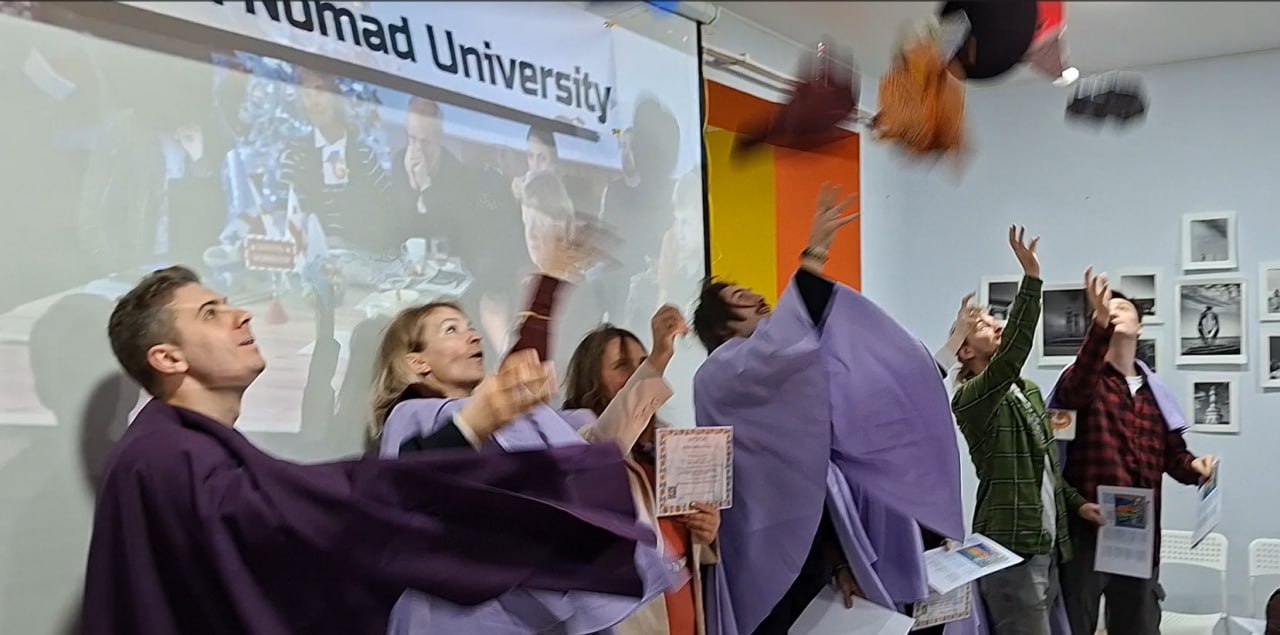
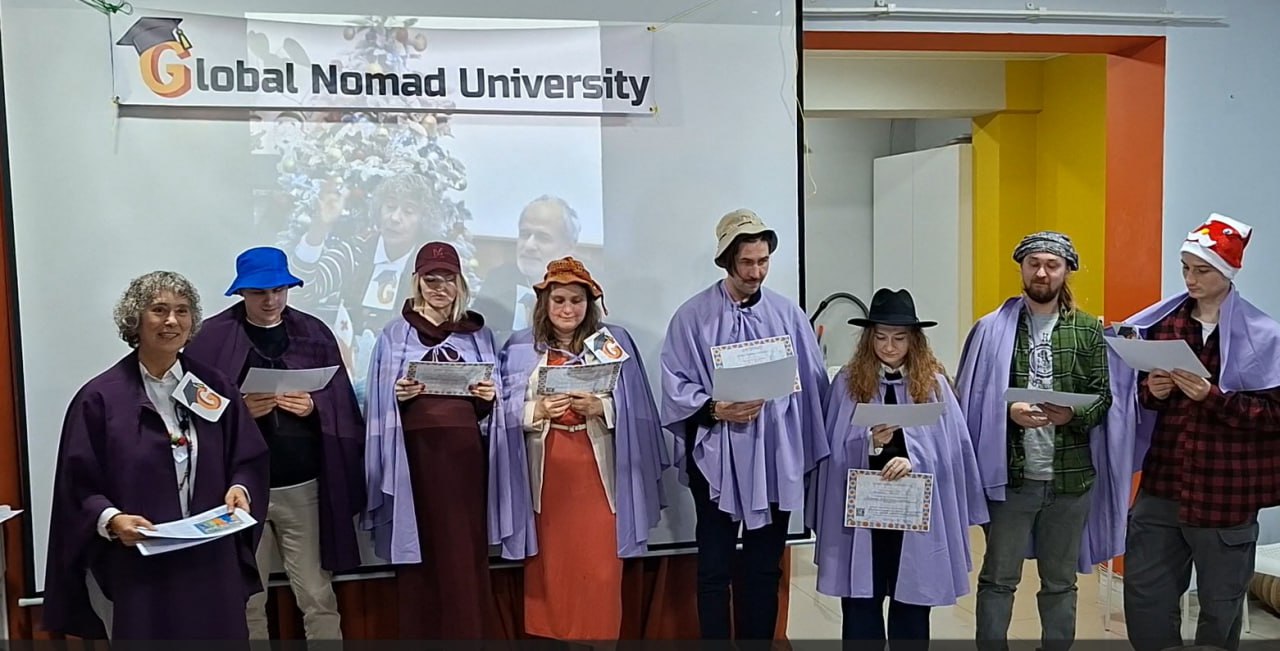
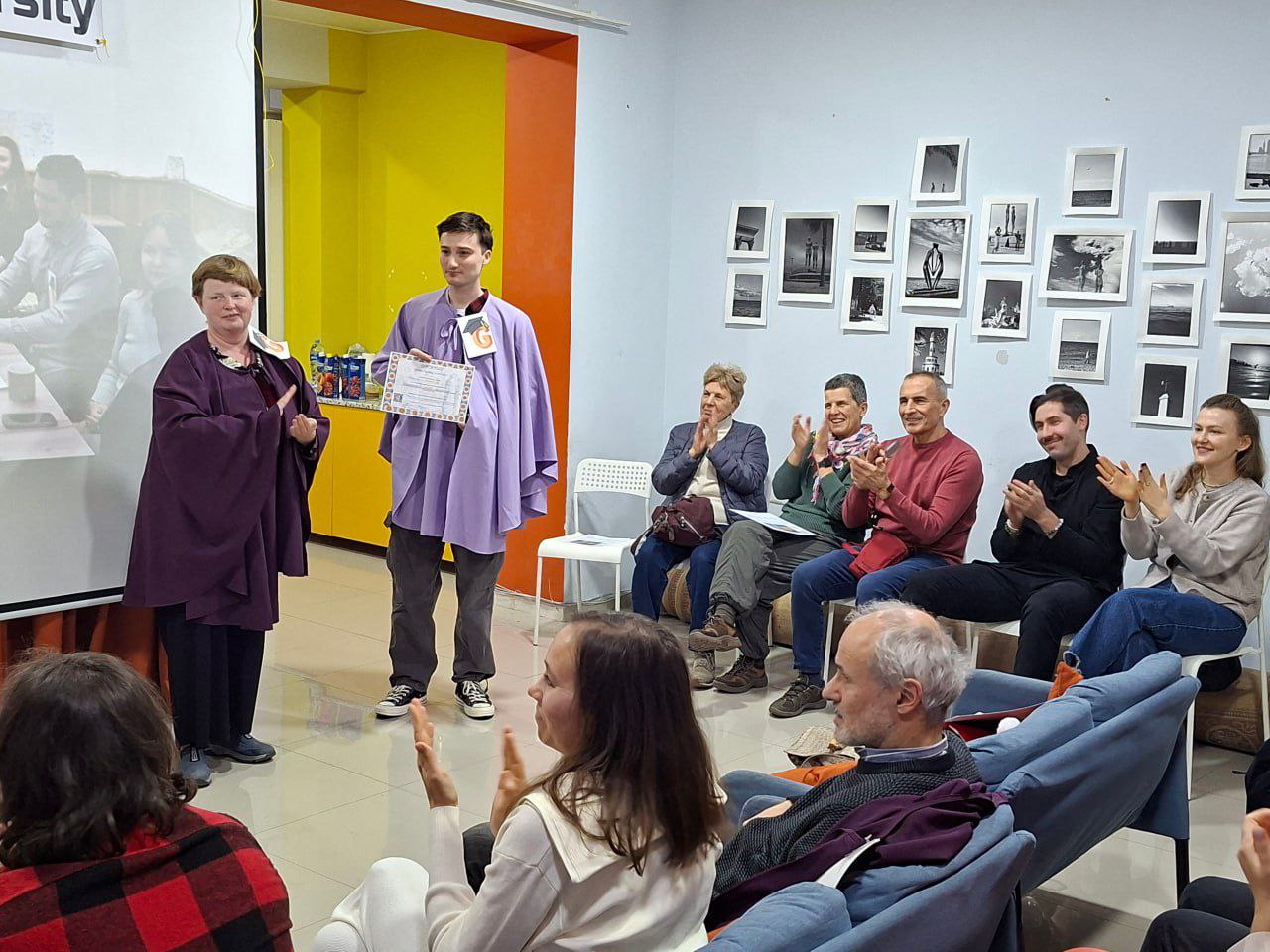
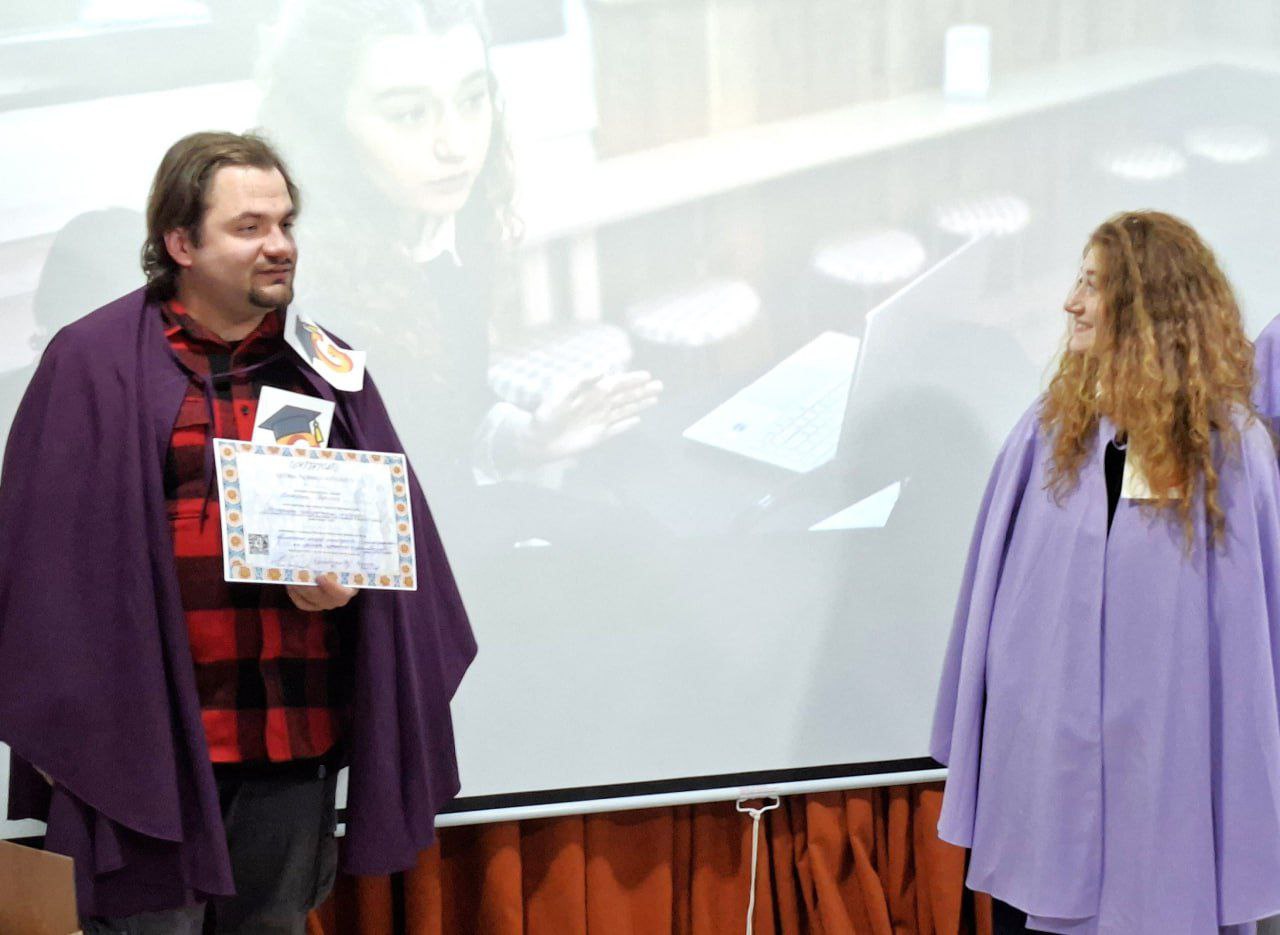
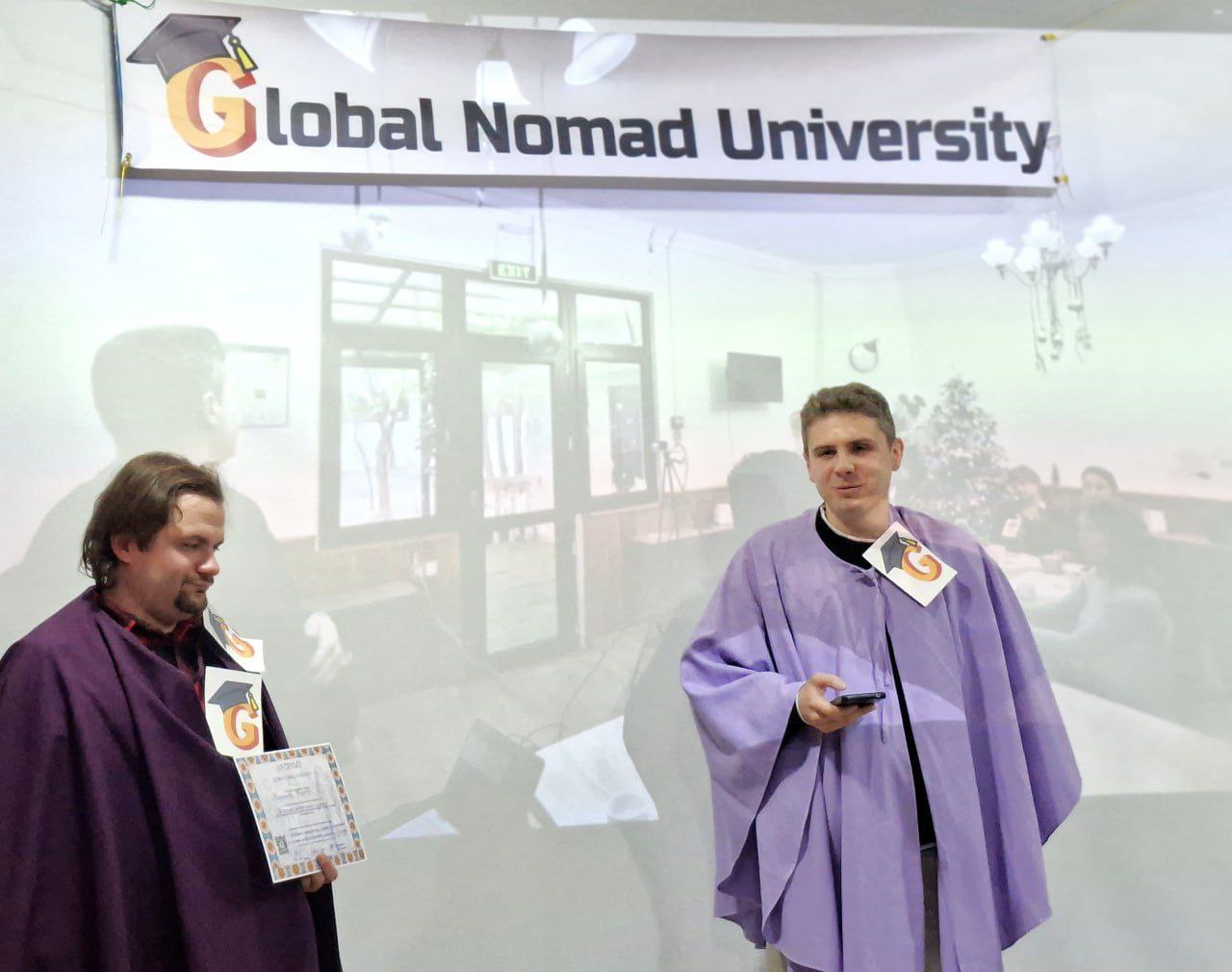
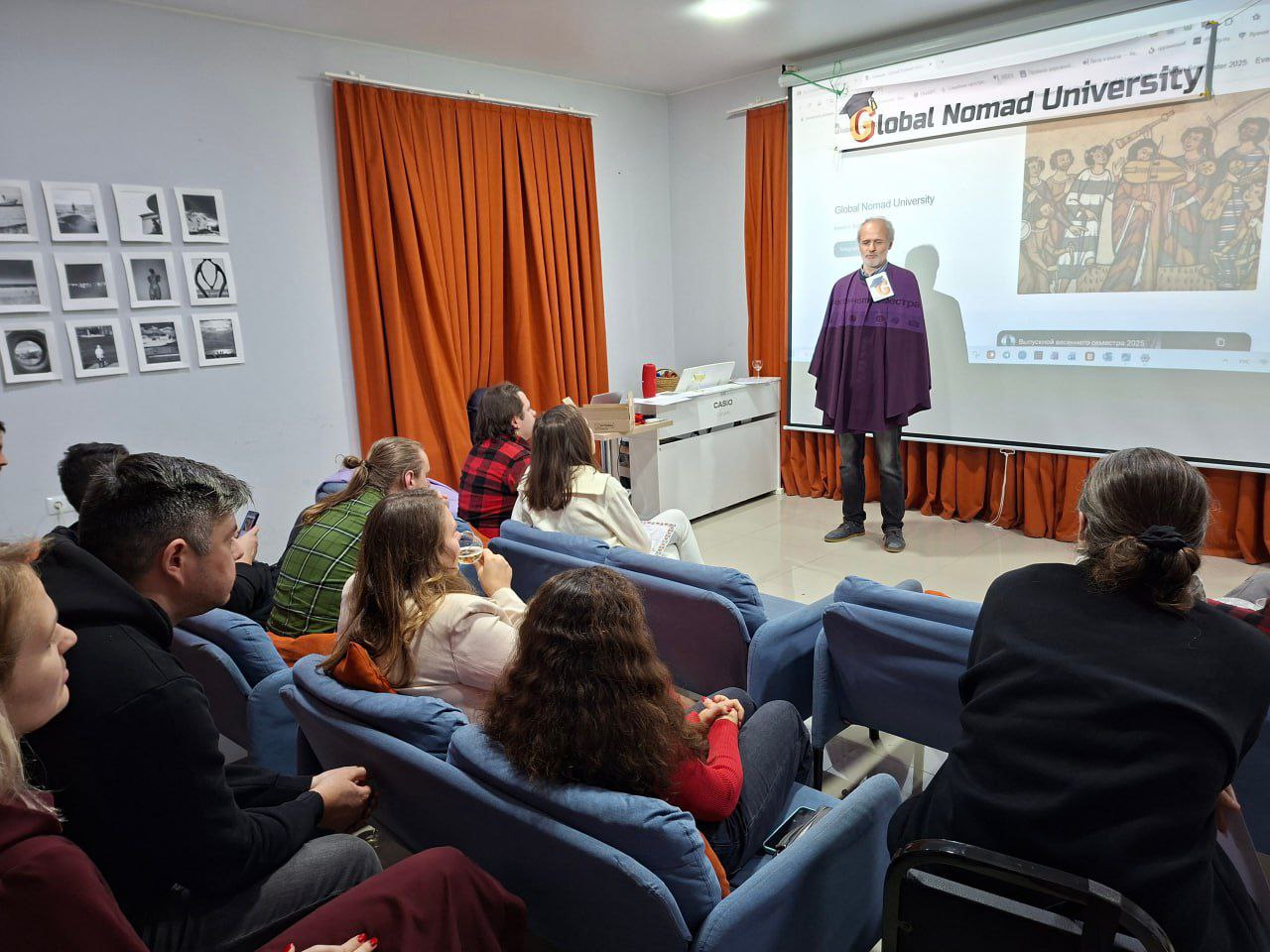
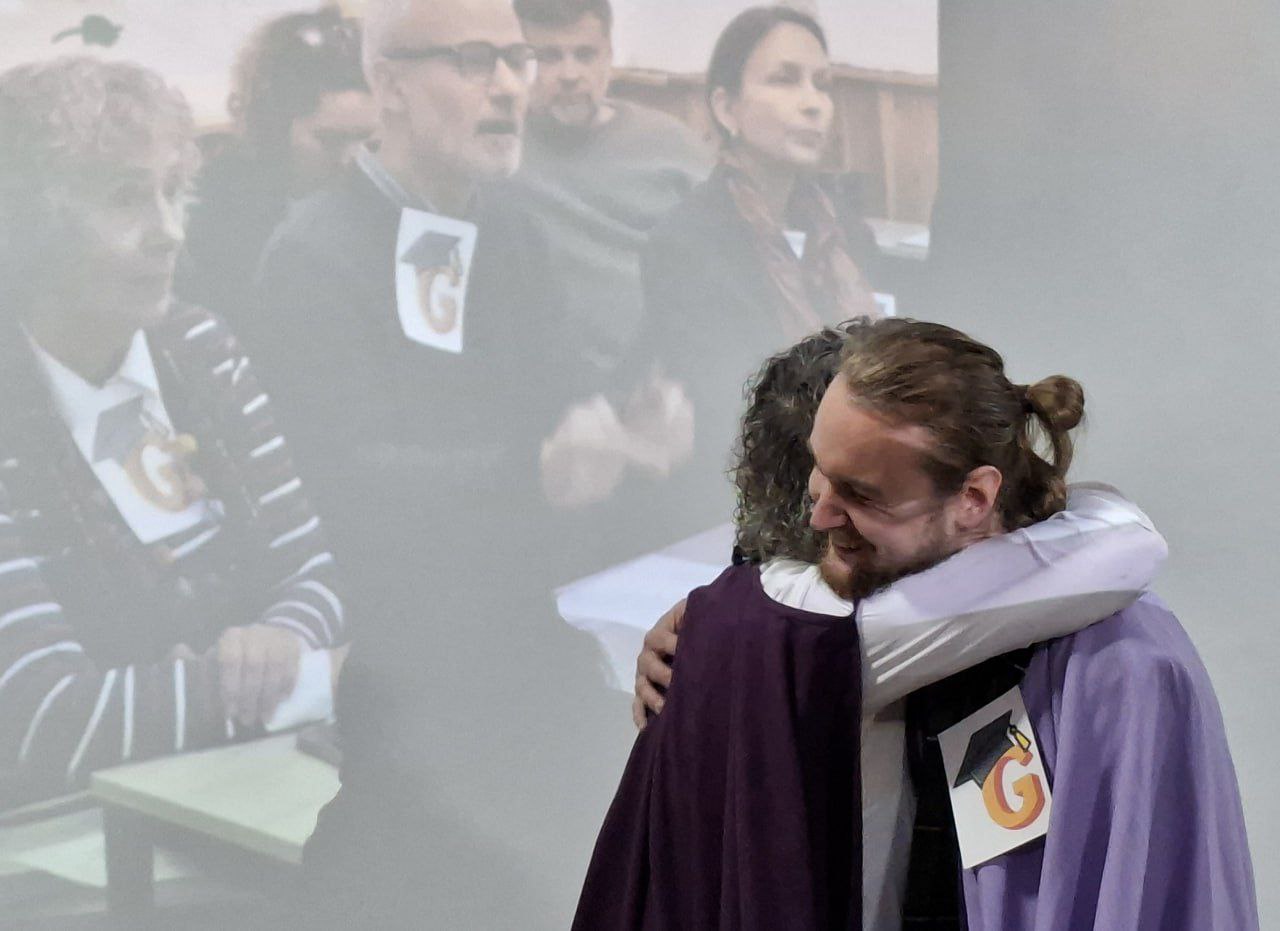
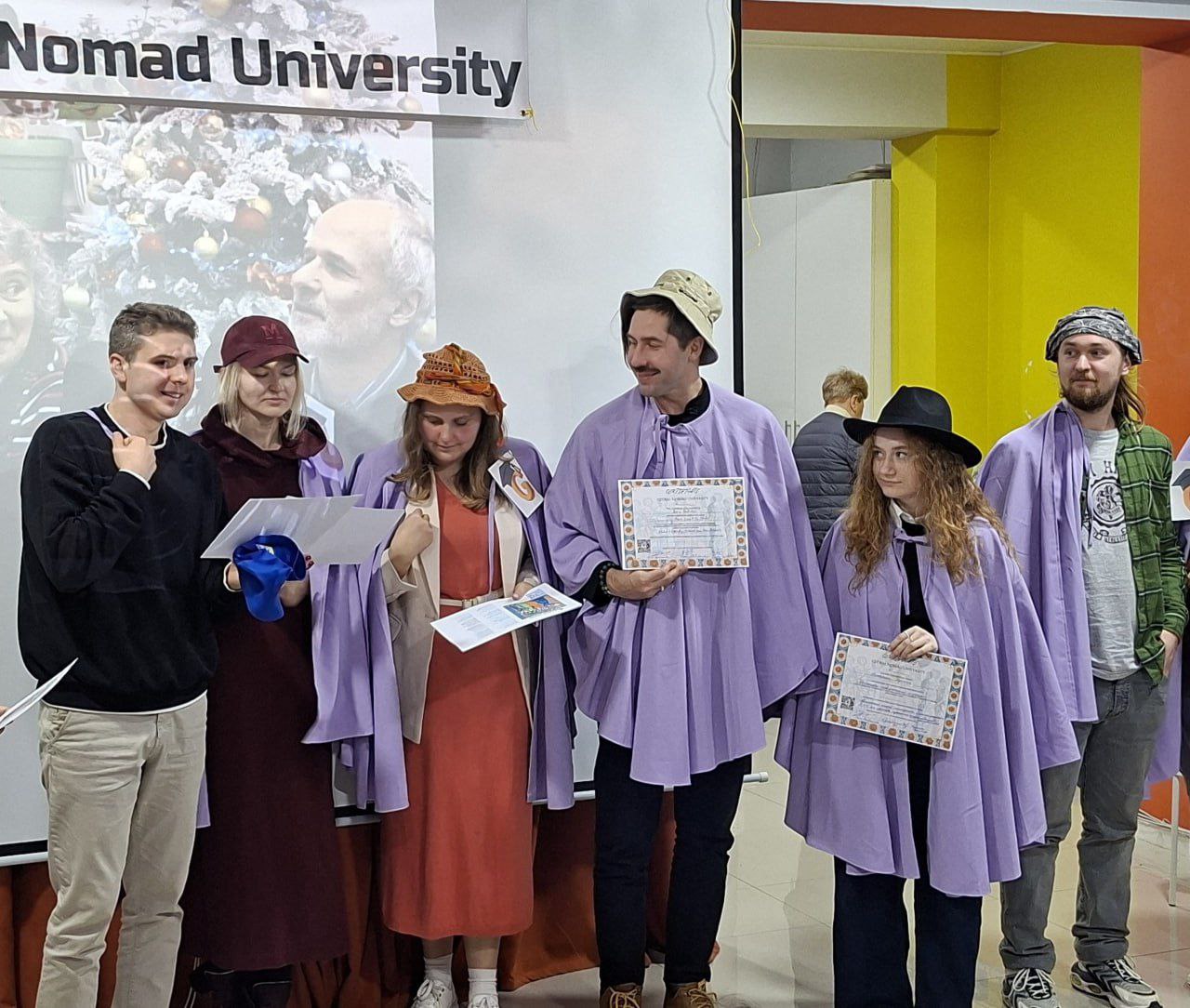
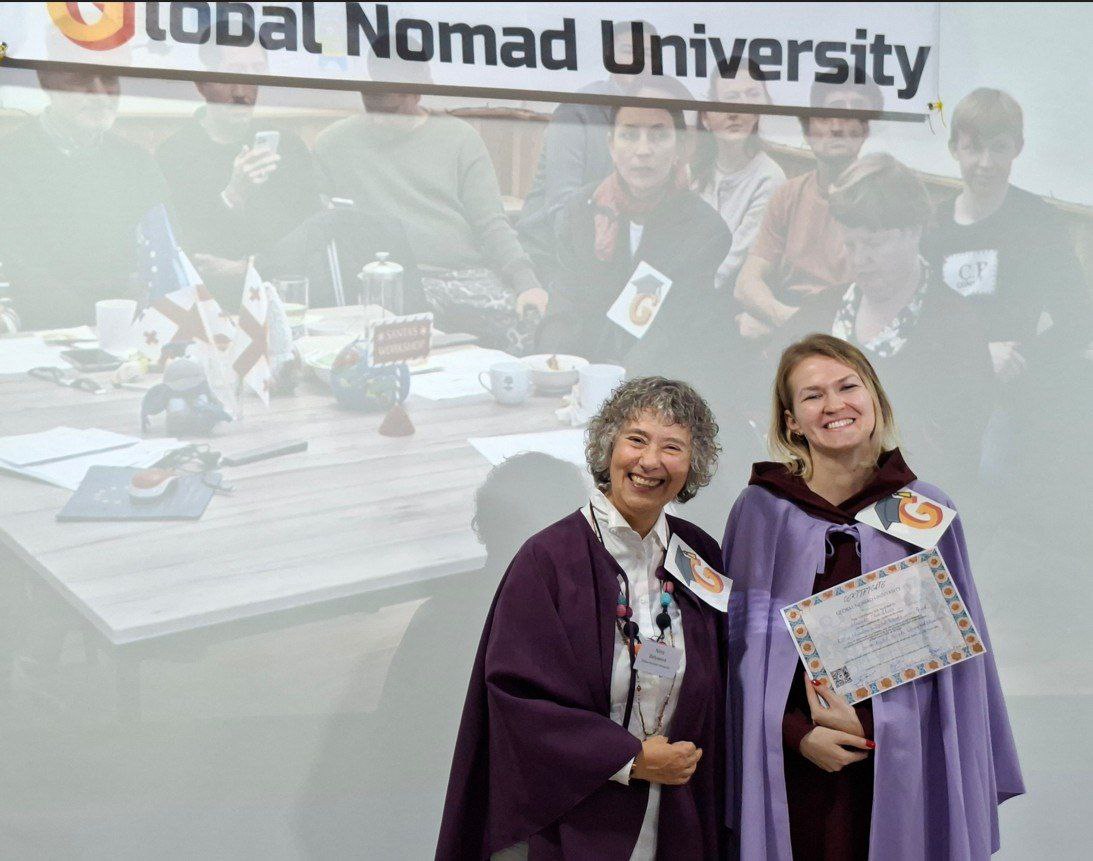
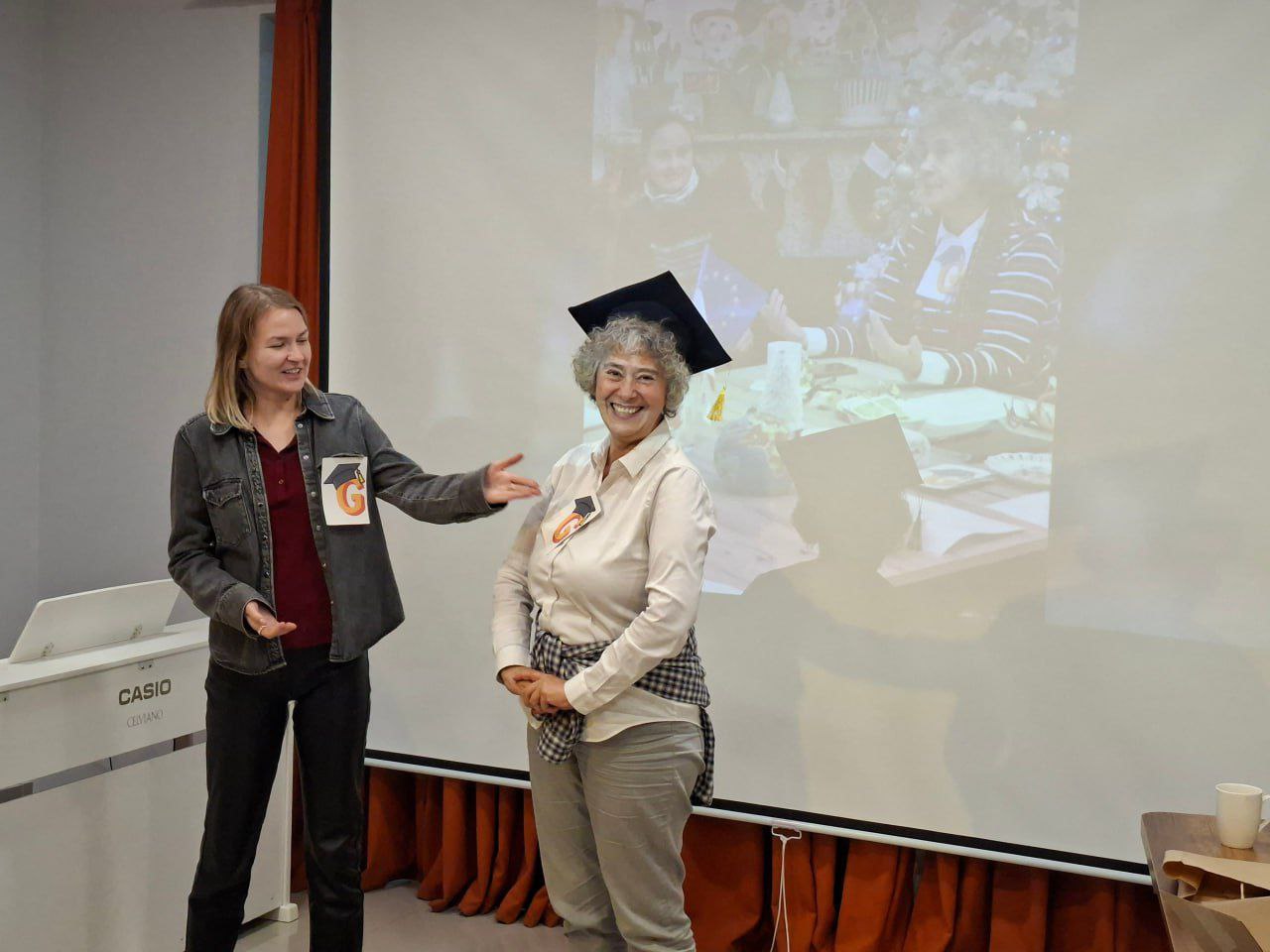
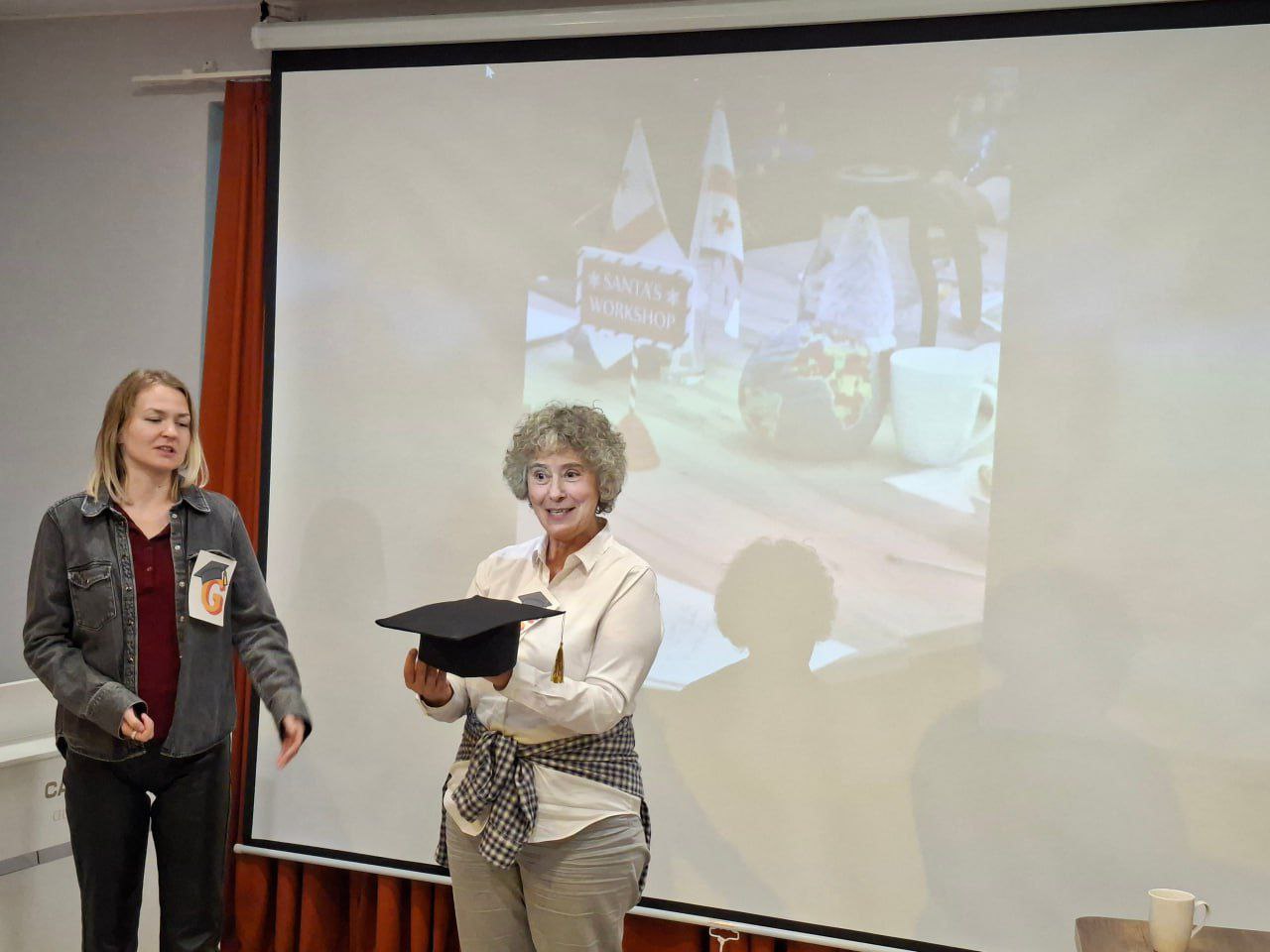
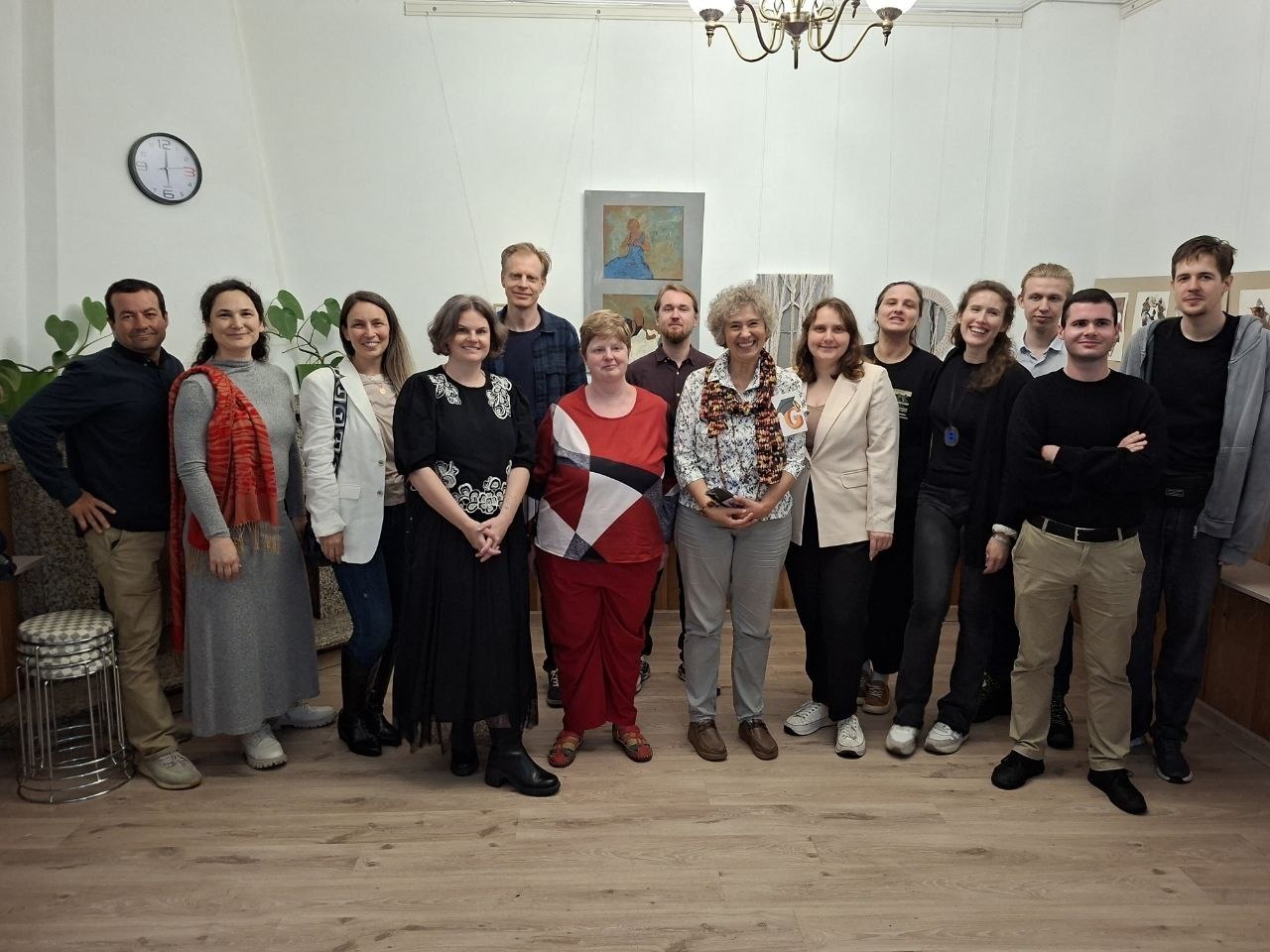
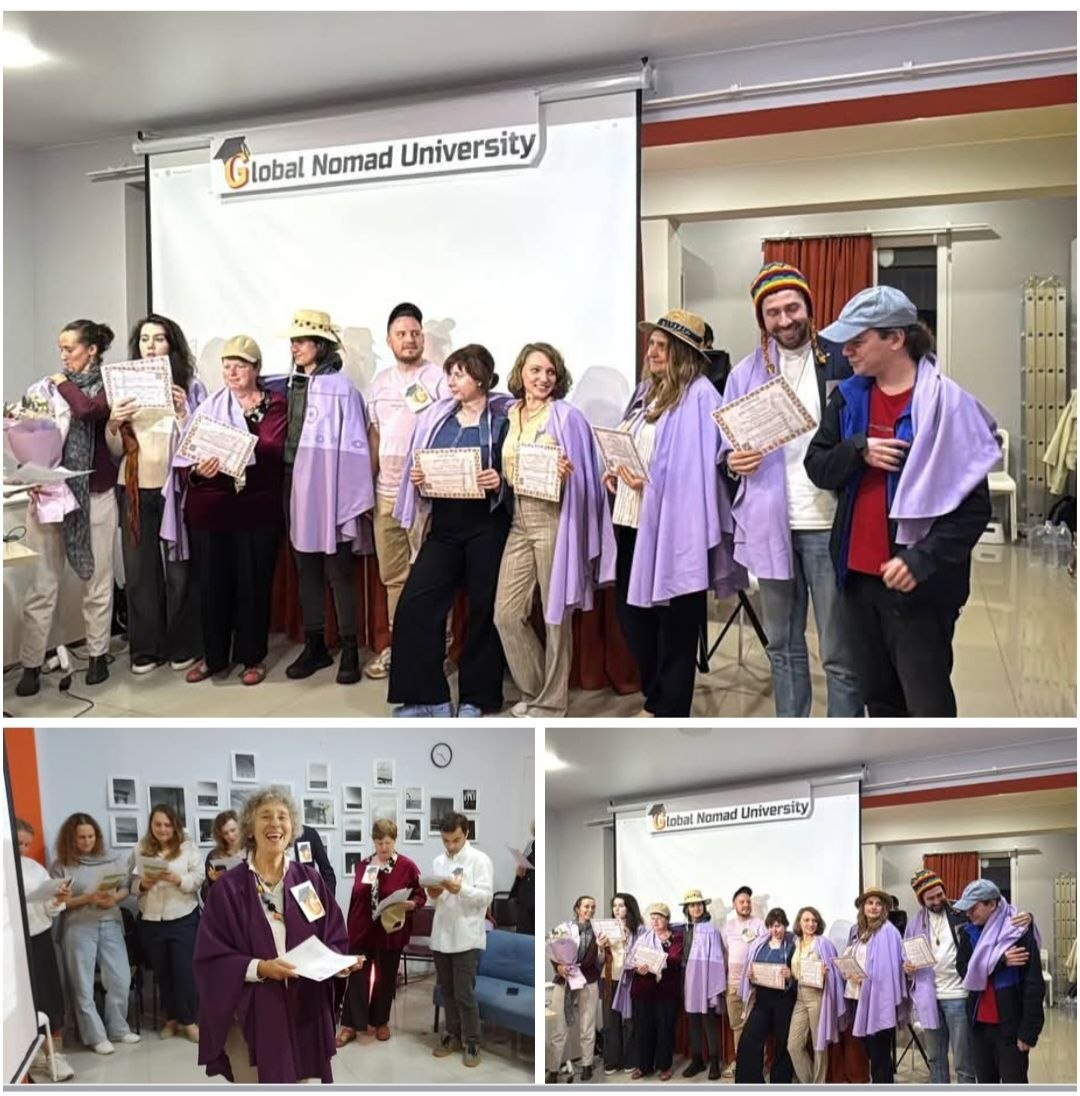
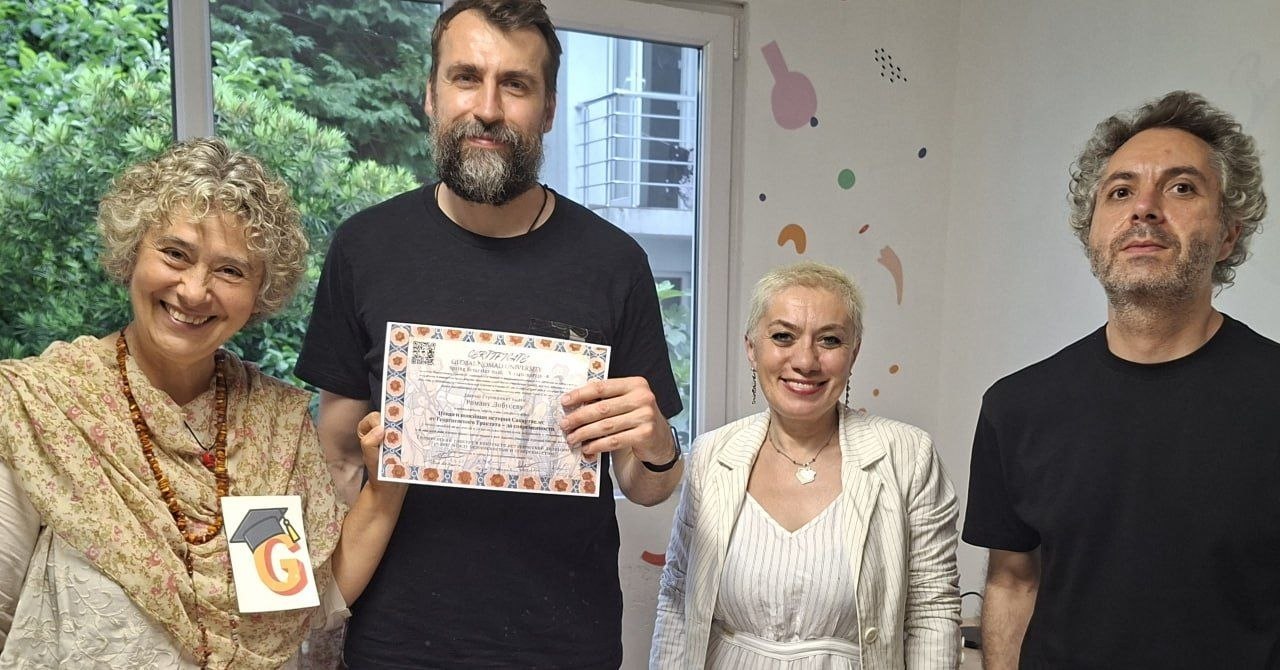
At the end of the semester, there was a defense of course projects and a real graduation ceremony, just like at large universities. There were many guests, beautiful lilac gowns, the awarding of certificates, and speeches by graduates!

I am deeply grateful to all the lecturers for the opportunity to learn from competent people — offline and abroad! In essence, a new educational community is taking shape here in Batumi. The lecturers work as mentors, bringing back a love of knowledge, helping students unlock their potential, and even become a little bit researchers themselves!

I do not yet know exactly how, but with this kind of “inoculation,” I will definitely continue my education! I hope Nomadic University will help me choose my next university 🙂

Ilya Tsarkov

Ilya Tsarkov

Course: “Shaolin Qigong Practices”

Final Course Project topic: “Zhong Yuan Qigong — A Path to Health and Self-Knowledge”

I have already completed my second course in Traditional Chinese Medicine — and this time I saw everything differently: with a more scientific perspective, focusing on the lymphatic system and bodily processes.

At the same time, I started practicing qigong — and this gave a powerful boost. This is exactly what I had been waiting for the first time))

Now I know for sure: energy, movement, and attention are the key to balance.

I am very grateful to Evgenia and Oleg for this experience!

Elena Lugovaya

Elena Lugovaya

Course: We, the Citizens! Constitution and Its People

Final Course Project topic: “The Right to a Residence Permit in Georgia: Problems of Judicial Protection in 2023–2024”

Being busy with work and everyday life, I found it quite difficult to look for like-minded people in a new place. The University became a kind of filter for me, helping me find people who may become future conversation partners, acquaintances, or perhaps even friends. It is a space for communication that brings students together around shared interests and gives them an opportunity to discover something new.

The word “university” has Latin roots and comes from the Latin “universitas,” meaning a whole, a community. Thanks to the University, I gained an opportunity to continue developing in an environment of like-minded people — one that opens up new horizons for me, both in terms of my inner goals and aspirations and in terms of meaningful communication.

During the course, I had to rethink my real-life experience once again, and it became the basis for my course project, “The Right to a Residence Permit in Georgia: Problems of Judicial Protection in 2023–2024.” It was interesting that invited practicing specialists in Georgian legal legislation also took part in the discussion of my real Georgian case.

Boris Babichev

Boris Babichev

Course: Global Nomads. Education & Careers

Final Course Project topic: “Blending global remote work with education needs: exploring career opportunities”

I’d like to share some thoughts on the Global Nomads Careers and Education course.

As a Technical SEO Engineer with a focus on international markets, I’ve worked across several regions and countries — moving from Uralmash through Tibet to the UK and Western Europe. Currently based in Batumi, Georgia. At this stage of my career, I’m looking to deepen my expertise and elevate my professional path — aligning it with long-term personal values and the practical need for a formal residence permit and future citizenship

Why do I recommend the Global Nomads Careers and Education course?

Because it offers a truly unique exploration of our time — packed with data, research, and real-world examples that clearly illustrate current trends in society, the economy, education, and global careers. Through this research and the in-depth discussions we had, we explored emerging trends across different fields and the opportunities they open up

What makes this course truly special is the intense level of engagement. Open, thoughtful conversations with both the professor and fellow students create a deep sense of immersion — your mind is constantly challenged, in the best possible way. It’s not just about understanding the big picture — it’s also highly practical. Whether you're already building an international career or just starting to explore what it means to become a global professional, this course meets you where you are.

The freedom to choose your final project topic means you can tailor the course to your own goals and get the most out of it. In my case, the guidance of Nina Yuryevna and our group discussions helped me map out a clear upgrade strategy for my global career.The course changed how I think about modern education — and reminded me of the value of lifelong learning. I even added it to my LinkedIn profile as both a credential and a badge of honor. Honestly, I lost count of how many birds I killed with this one stone: career direction, academic credits, international networking, and an amazing chance to practice English in a diverse, global group.

And there’s one more big bonus — you earn ECTS credits, which can be applied toward future study.

I’m deeply thankful to Nina Yuryevna for creating this space. Global Nomads Careers and Education is a cutting-edge course and a powerful exploration of the shifts shaping the future of how we live, learn, and work

Sofi Beridze

Sofi Beridze

Course: We, the Citizens! Constitution and Its People

Final Course Project topic: “Problems of Opposition Representation in Georgian Government Bodies”

I chose this course because I see my future in the sociological and legal fields, and for me it was my first professional introduction to this area. I began to understand what legal language is and how it can help us look at the world differently. This course opened my eyes to blind spots that an ordinary person does not notice, and gave me a new view of law as a tool for analyzing reality. It was important for me to become part of this event.

In addition, the knowledge I gained in the course will help me prepare for university admission.

It gave me a foundation for understanding legal principles, as well as critical thinking skills that are important in an academic environment.

If you are in Batumi now, do not miss out on such valuable and accessible knowledge!

This course provides not only theory, but also practical skills that help you see the world more broadly.

Thank you to the organizers and lecturers for this valuable experience!

Jylia Popova

Jylia Popova

Course: Global Nomads: Education & Careers

Graduation Project topic: “Where Will My Kid Go to Study Next? A Pilot Study of Russian-Speaking Families of Secondary School Children in Batumi: Searching for Higher Education for Global Nomad Kids”

Global Nomad University as a Platform for Advancing My Research Interests

Global Nomad University presents a valuable opportunity for me to pursue my academic and professional research interests. Specifically, I aim to explore strategies for career planning in an era of rapid global transformation while developing a specialized psychological course tailored to adolescents. To further this objective, I enrolled in the Global Nomad Education & Careers course, which provided a structured framework for inquiry.

As part of my research, I conducted in-depth interviews with eight expatriate parents residing in Batumi to identify key challenges they face regarding their children’s education. Under the guidance of Nina Belyaeva, I refined my interview questions to ensure depth and relevance. Following data collection, the findings were collaboratively analyzed and discussed within the group. Notably, the results revealed a significant shift in educational priorities: rather than emphasizing traditional higher education, parents now prioritize fostering intrinsic motivation in their children.

The culmination of this academic journey was marked by a stimulating graduation ceremony, where I had the privilege of engaging with numerous insightful and accomplished individuals. This experience has further enriched my perspective and reinforced my commitment to this field of study.

Nikita Nikitin

Nikita Nikitin

Course: Global Nomads: Education & Careers

Graduation Project topic: “AI and Global Nomad Professionals: How Global Nomads Stay Relevant”

I’d like to share my thoughts on Global Nomad University (GNU).

It’s been 12 years since I graduated from my first university (RSTU), and I can say with full confidence that GNU offers something truly different. Here, you get the freedom to work on your own academic research, while also learning solid methodology that matches what top universities teach — something I didn’t experience during five years of traditional study.

What makes GNU so valuable is the balance between quality and affordability. If you are ready to invest effort into improving your coursework, you will leave with real knowledge and skills that you can apply in both academic and professional contexts.

I want to give special thanks to my teachers - Nina Belyaeva and Lilly O’Toole — for their guidance and inspiration. Their support made this journey even more meaningful.

I am truly grateful to the entire GNU team for building a place where global learning feels both modern and accessible.

Angelina Troegubova

Angelina Troegubova

Course: Conceptual Foundations of Feminism

Final Course Project topic: “Patriarchal Ideology in Contemporary Russia and Gender Roles in the ‘Choice of War’”

I would like to thank Nomadic University for the opportunity to gain new knowledge from Tatiana Sukhareva, the lecturer of the course “Feminism,” as well as for her help and guidance with my graduation project.

We discussed the direction of the work in great detail, prepared the material and my presentation. A feminist perspective truly offers new ways of looking at social structures and helps to better understand them in the context of patriarchal ideology.

I also enjoyed presenting my work, so I would like to express special thanks for the attentiveness during my project defense and for such an interesting experience.

Katsiaryna Tsikavets

Katsiaryna Tsikavets

Course: Civil Society: From Neighbors to Global Community

Final Course Project topic: “Recovery Movement — A Movement for the Rights of People with Mental Disorders: Functional and Cultural-Historical Approaches”

I would like to express my gratitude to Nina Yuryevna, as well as my admiration for her idea of Nomadic University and for the principles and values behind it.

I attended the course on civic communities. This is definitely not a typical university course where you come with a notebook and diligently write down a lecture — it is a lively discussion of topics that matter personally to both the lecturer and the students. At the same time, the course has a clear structure, and Nina Yuryevna offered us a wide range of approaches for independent research.

And this is where the most wonderful part begins! I defended two theses at two universities with very strong reputations. But only during consultations with Nina Yuryevna, while we sat together formulating the problem, choosing and applying the methodology, and painfully trying to draw conclusions on a topic that is personally meaningful to me, did I finally understand what meaningful research activity really means — research that contains value and an answer to the question “why.” And that answer is not “because these are the rules.”

Overall, for me, Nomadic University is about values, about freedom, and about the victory of substance over formalism.

Igor Zelmanov

Igor Zelmanov

Course: Civil Society: From Neighbors to Global Community

Final Course Project topic: “Recovery Movement — A Movement for the Rights of People with Mental Disorders: Functional and Cultural-Historical Approaches”

The hardest thing for me was to make myself sit down and do what should have been done long ago.

I admit that I had been working on the topic of lustration for more than a year. And then I stopped halfway. The working group at First Flight, which I moderated, fell apart because everyone disagreed with me and demanded that we follow international norms, which in practice turned lustration into something meaningless. But by declaring this topic for my course project, I put myself in a situation where not doing it was no longer an option. This was the first benefit of studying at the university.

The second benefit — even more important — was the criticism during the pre-defense.

Nina Yuryevna and Tatiana convincingly attacked my position on lustration from different sides.

As a result of these attacks on my proposals, the problems that needed to be resolved became clear. But I did not know how to resolve them. At that point, a version of ChatGPT that could browse websites turned out to be very useful. In desperation, I asked AI all the necessary questions; it found relevant cases in the ECtHR and gave answers to all the critics’ questions. The third benefit was the requirement to be concise. Fitting my 25 slides into 7 was not easy. The information simmered for three days, and the result turned out quite well.

What I would like to wish future students is this: choose real, relevant, pressing topics — preferably ones that do not yet have an adequate solution in the public sphere. Do not stop at analysis alone, at explaining “how it was and what happened.” Do not finish without synthesizing your own ideas. Propose solutions to problems, and do not be afraid to bring your proposals up for discussion.

Lilly O’Toole

Lilly O’Toole

Course: Global Nomads: Education & Careers

Final Course Project topic: “Batumi as the Next Digital Nomad Hub”

The concept of Global Nomads is an emerging and under-studied topic that really deserves more attention. That is precisely why this course is needed—in a city where it is oh-so relevant! During my final defense, I proposed strategies for the city of Batumi to create a sustainable Digital Nomad Hub—modeled after examples of other emerging global digital workforces like Cabo Verde. Both Georgians and Russians shared the space as I called for local leaders and policy-makers to prepare for the future of the workforce in a way that could benefit the local economy.

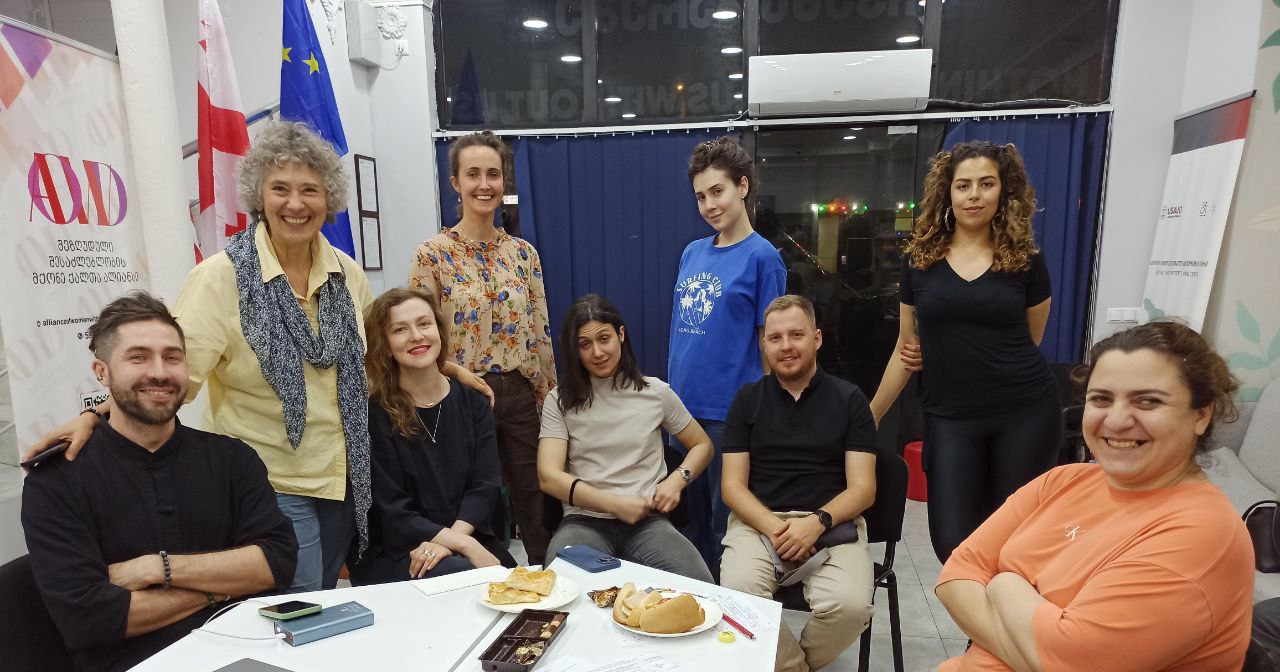
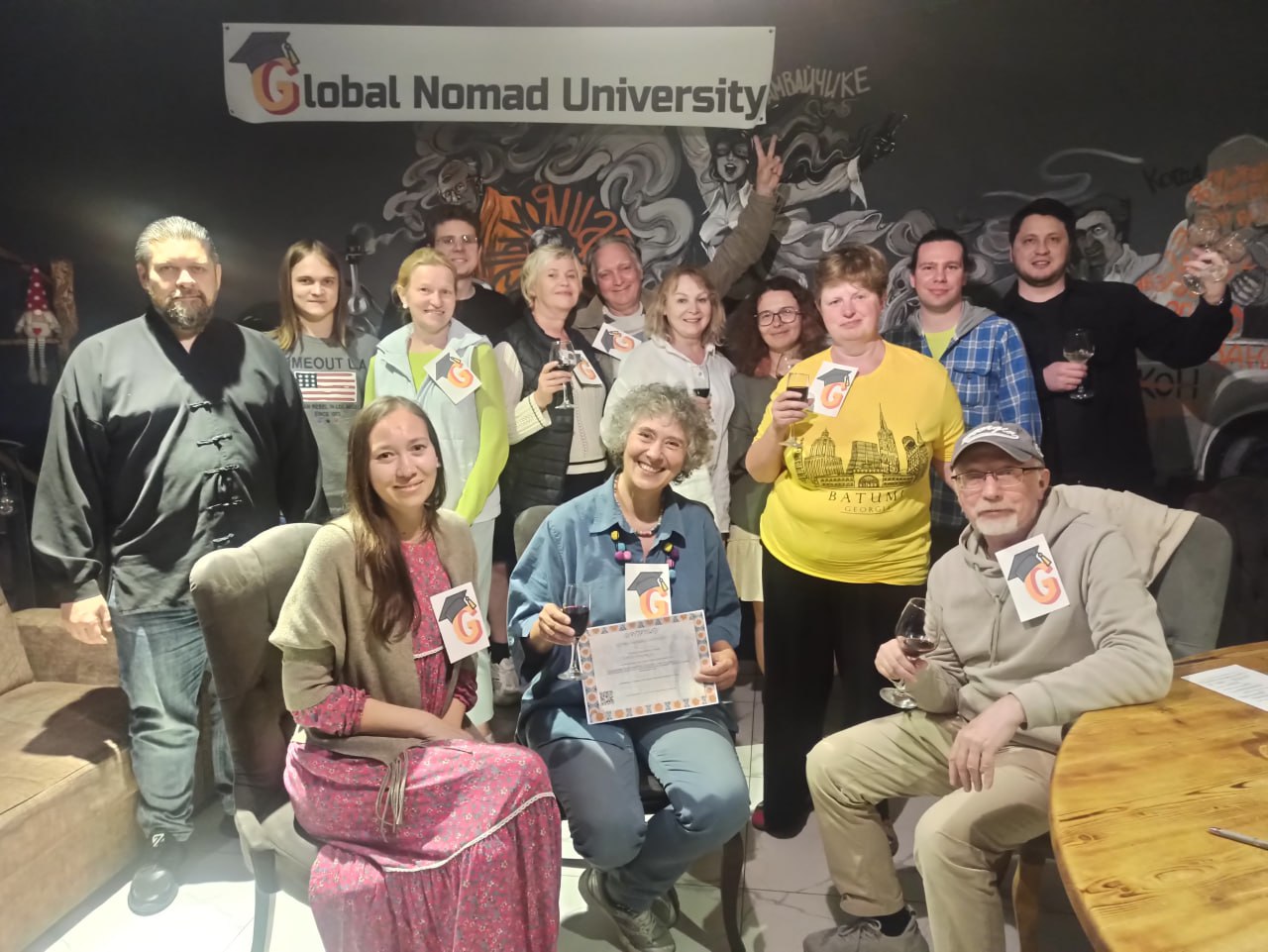
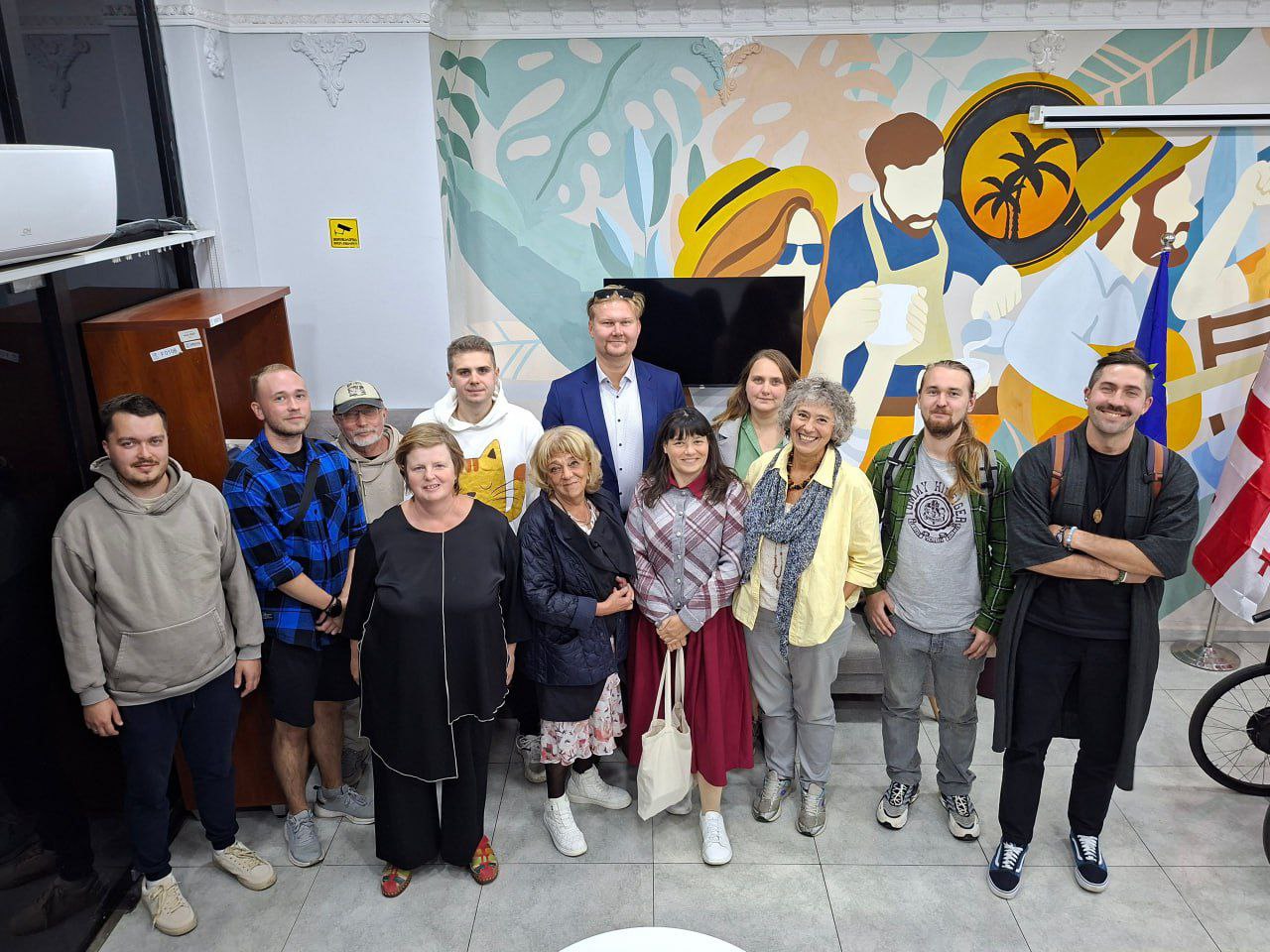
Global Nomad University has introduced me to a like-minded community in Batumi that would have otherwise remained closed to me. Around our table every Thursday evening sat individuals spanning various sectors—academic scholars, lawyers, IT programmers, activists, and business-owners. I come from a very different geopolitical region, so it was a deep learning experience to directly compare my American experience with theirs. As I begin to consider career options, I also appreciate that we were exposed to various world-renowned organizations like International Organization for Migration (IOM).

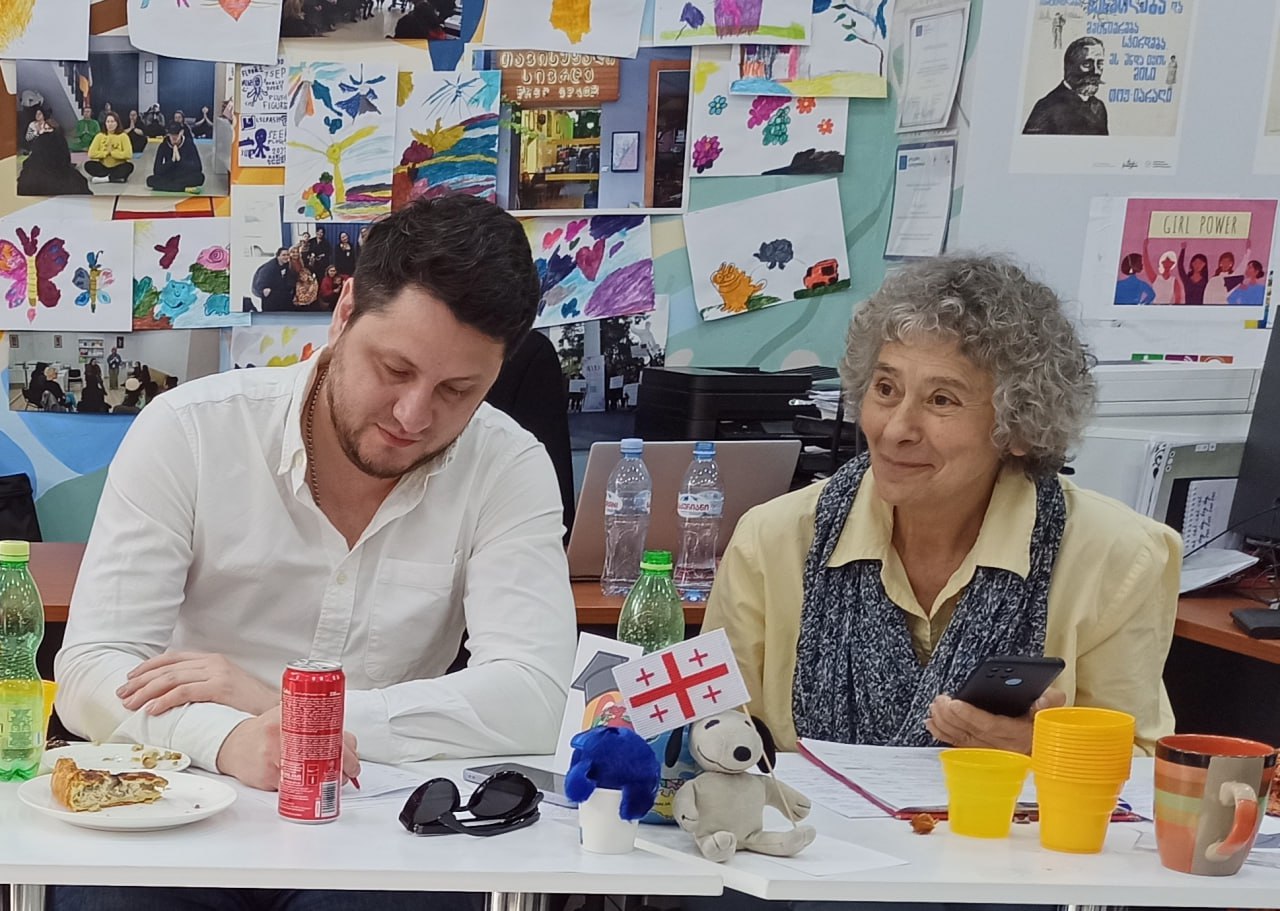
It is worth mentioning that the warm classroom environment in tmp_space encouraged me to feel at home: tea was served, baklava was shared, and candy was dispersed as we discussed serious issues like. The university’s approach feels more horizontal than hierarchical and therefore my confidence to share and debate grew throughout the semester.

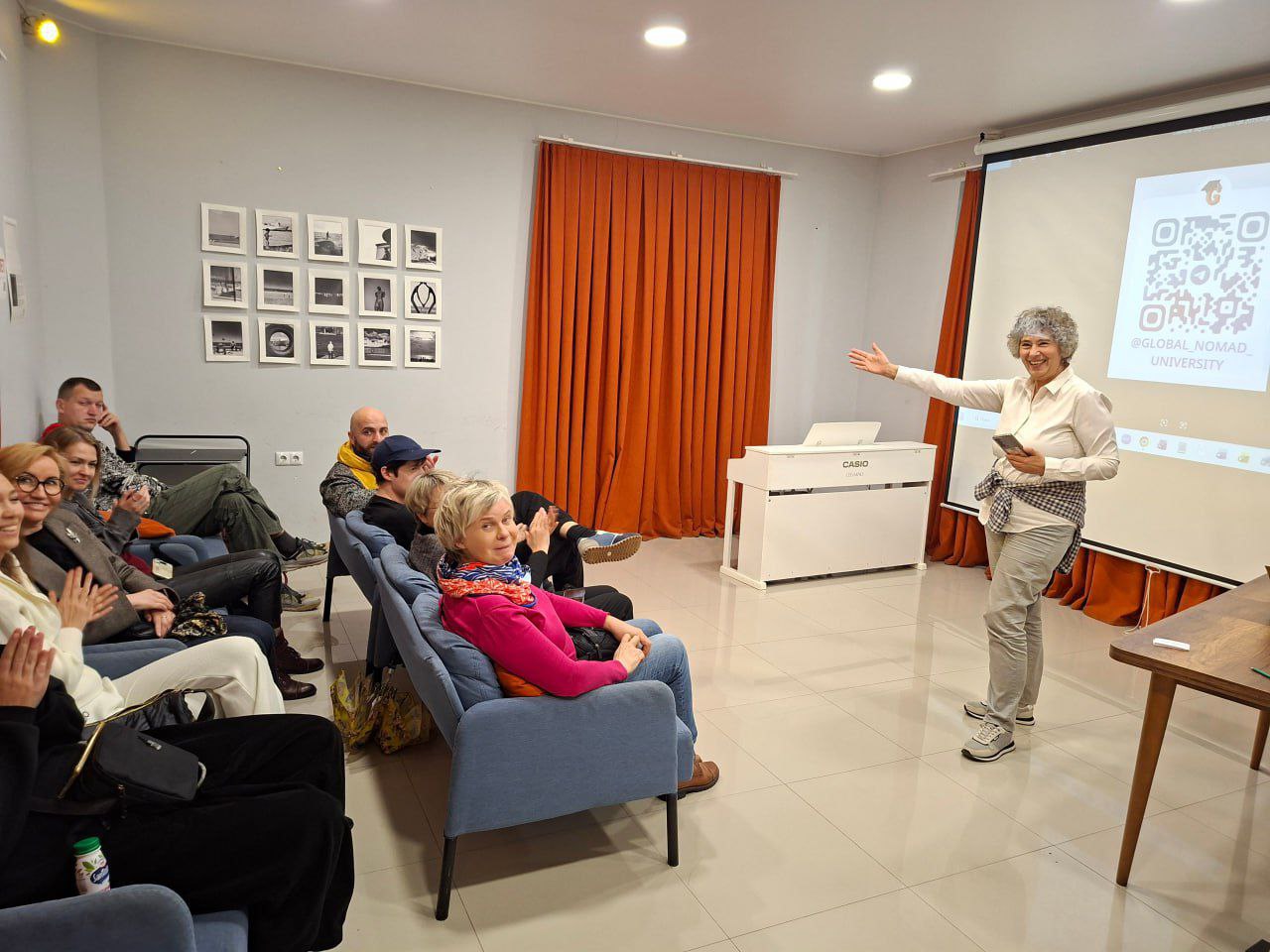
GNU fits a niche that is highly relevant to those who have found themselves on-the-move and in-limbo with education. I would particularly recommend this course for those who find themselves in Batumi: expats, relokanty, migrants, refugees, visiting scholars. Professor Nina’s real-world experience in higher education around the world, combined with modern case-study examples and quantitative data, creates a super effective space for critical discussion! I am eager to continue in Spring Semester 2025.

Yaroslava Yakusheva

Yaroslava Yakusheva

Course: My Global Community

Final Course Project topic: “Civic Education of Youth in the Russian Federation. The Case of ‘New Civilization’: From the Yukos Project to the Movement of the First”

I was lucky enough to be a student in one of the first semesters at Global Nomad University. Before studying at Nomadic University, I lacked an understanding of how society and the political system are structured, and how democracies, civil society, and protest movements function in practice. I gained all of this through the courses taught by Nina Yuryevna Belyaeva and Maria Kalugina.

The competence of the lecturers, the engaging presentation of the material, and the lively, caring, thoughtful community of people with open hearts and minds made it possible not only to gain new knowledge, but also, building on it, to take part in interesting and meaningful discussions.

Based on the information I received, I was able to formulate my own position more clearly in the stormy sea of political currents, to understand what kind of social order I want to strive for and what paths may lead to it. This made me calmer and more grounded not only in conversations about politics, but also in my everyday reflections, actions, and choices.

I can wholeheartedly recommend the course on civil society to everyone — to understand the degree of one’s own responsibility and influence on the organization of society, and, one might say, to receive first-hand information about what kinds of public associations exist, how they are organized, what they do, and what results can be achieved through them.

I would like to thank Nina Yuryevna separately for organizing the defense of the graduation projects at the highest level. I had the opportunity to defend my work not only before the students and lecturers of Nomadic University, but also before the invited Professor Mastruzzo from the University College of Turin. For this, I had to “unpack” my knowledge of Italian, which had managed to gather dust during the Covid and war years.

An excellent experience, unforgettable emotions, a feeling of support among like-minded people, and relevant, useful knowledge that helps define one’s own picture of the world more clearly — I wish everyone to sign up for Nomadic University courses as soon as possible and join the modern Vagants!

Vladislav Tokarev

Vladislav Tokarev

Course: Georgian Economy in the Global Context

Final Course Project topic: “The Economic Environment of a Relocated Restaurateur in Batumi in Light of the Tightening of Migration Legislation: Risks and Scenarios”

It is wonderful that such a unique opportunity for development as studying at Global Nomad University has appeared for the emigrant community. In the age of information, you can find almost anything on the Internet. However, this can hardly compare with in-person classes, in good company, with lecturers whose knowledge goes far beyond the academic classroom.

I studied on a course that had no boring lectures or tedious homework. There were only real figures, reliable verified sources, and an honest economic picture. If you are interested in learning what business life in Georgia breathes with; who earns money in the country, where, how, and how much; how profitable it is to do business, and if so, what kind — then you should definitely sign up for economics courses with Igor Yuryevich Bezgalov, a practicing economist and experienced restaurateur.

Learning brings joy when the lecturer is genuinely interested in sharing their unique conclusions with you in a given subject area. I did not regret my choice to take a course at GNU for a second, because during the lectures I saw exactly this kind of unconditional dedication.

The result of five weeks of study — and, one might say, the culmination of my research trials — was a course project that confirmed many assumptions and dispelled doubts about the public catering and hospitality sector (HoReCa), one of the most important sectors for the economy of Georgia’s tourist regions. You may ask: why did I choose this particular topic? It’s simple: it is always more interesting to research what surrounds you — restaurants, bars, coffee shops, and all the other places we love to visit. Why shouldn’t that be a topic for serious work? I went deep into the thickets of the Georgian economy, analyzed the overall economic situation in Georgia, Adjara, and the public catering sector. I made forecasts for the future and assessed the survival prospects of emigrant businesses in the context of newly adopted Georgian laws. Overall, it seems to have turned out quite well. The audience liked it. And I was not able to avoid an encore presentation.

Thank you to everyone who helped and supported me.

We will definitely see each other again!
©2025 Global Nomad University | privacy policy

Scroll to Top