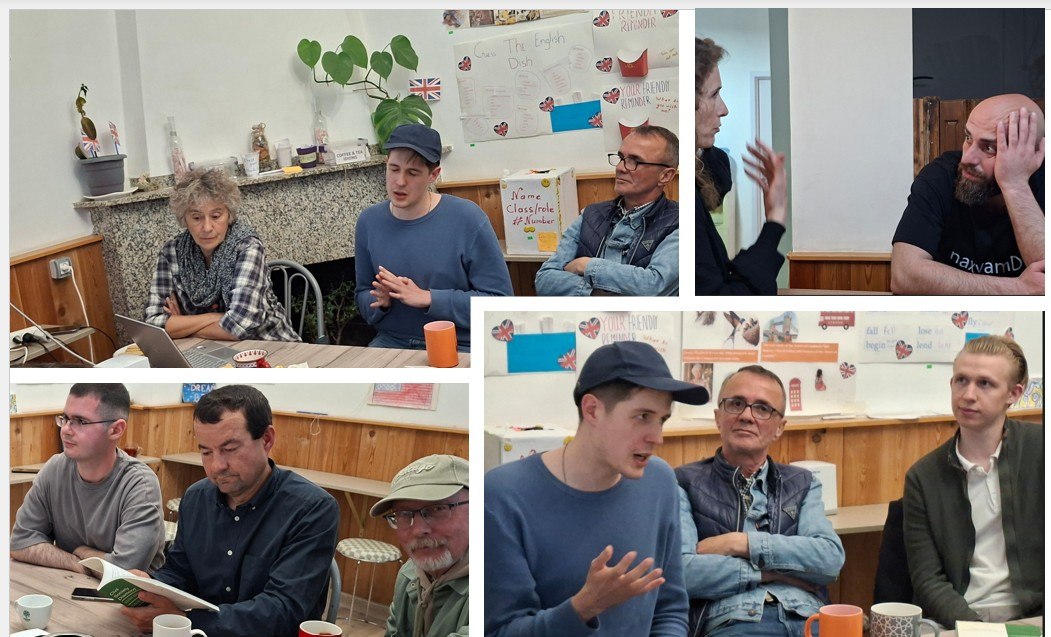
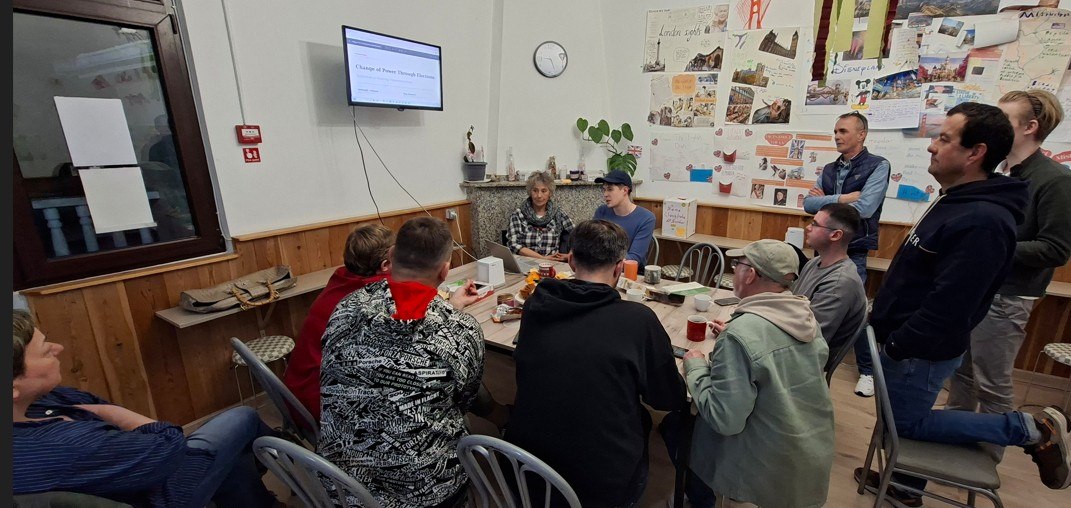
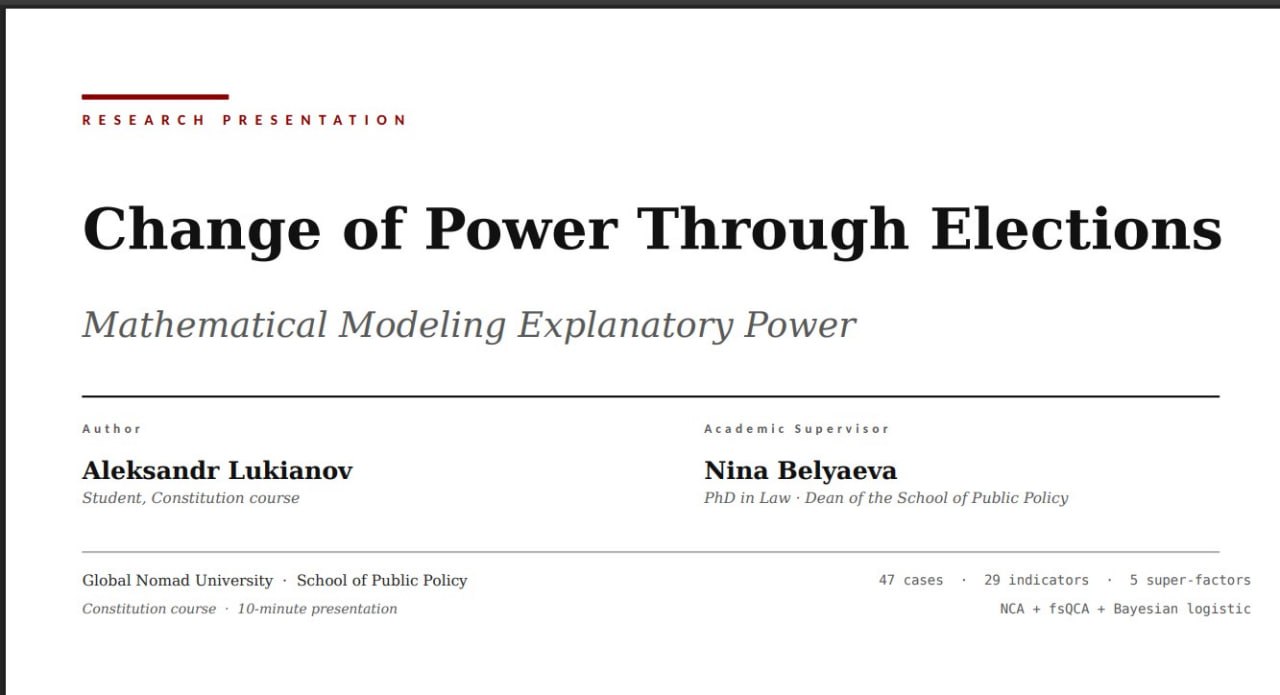
Another important event of last Friday was the PRE-DEFENSE of Alexander Lukyanov’s @a_s_lukyanov Final Course Project, Change of Power Through Elections. Mathematical Modeling Explanatory Power, for the course “We, the Citizens! Constitution and Its People.”
Pre-defenses are a standard format at good universities and a mandatory practice at HSE University: on the eve of official defenses, in the presence of a strict official Defense Committee, it is customary to hold a “preliminary defense” when the draft of the Final Project is ready, but some questions, findings, arguments, and, most importantly, conclusions still need to be clarified and “tested” through the audience’s reaction. As a rule, fellow students and other faculty members take part. They are interested in supporting the work, but precisely for this reason they ask sharp and uncomfortable questions in order to check how prepared the graduate is to defend their position, as well as the research question itself, data collection, methods of analysis, findings, and conclusions.
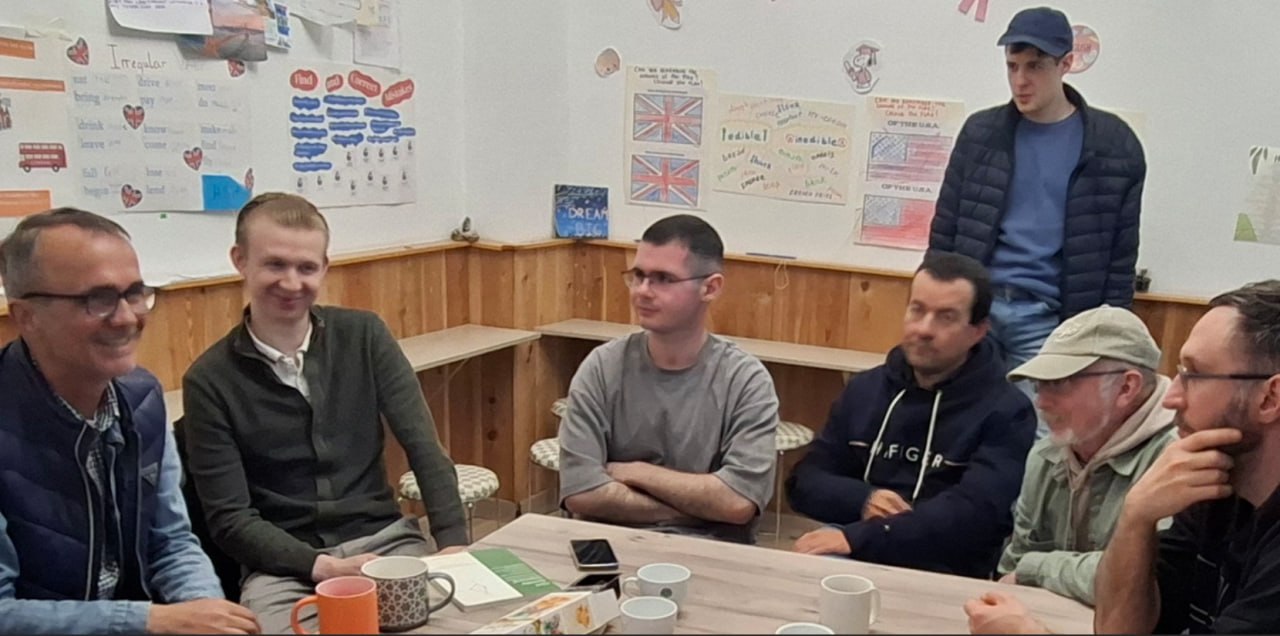
At Nomadic University, we decided to revive this practice by making such a pre-defense public and inviting not only Alexander’s classmates, but also external participants — everyone who had attended our Open Class.
The work is devoted to mathematical modeling based on electoral campaign data. Alexander is a mathematician, while the course is dedicated to the Constitution, citizens’ rights, and civic participation, among which the key right is the right to elect leaders so that they govern the state on behalf of citizens, carrying out the will of the people who elected them.
The topic of the Final Course Project was inspired by the victory of the opposition in the elections in Hungary. It became interesting to examine: if the opposition was able to win peacefully despite the clearly authoritarian characteristics of Orbán’s latest government, to what extent is this possible in other countries with authoritarian distortions in their political systems?
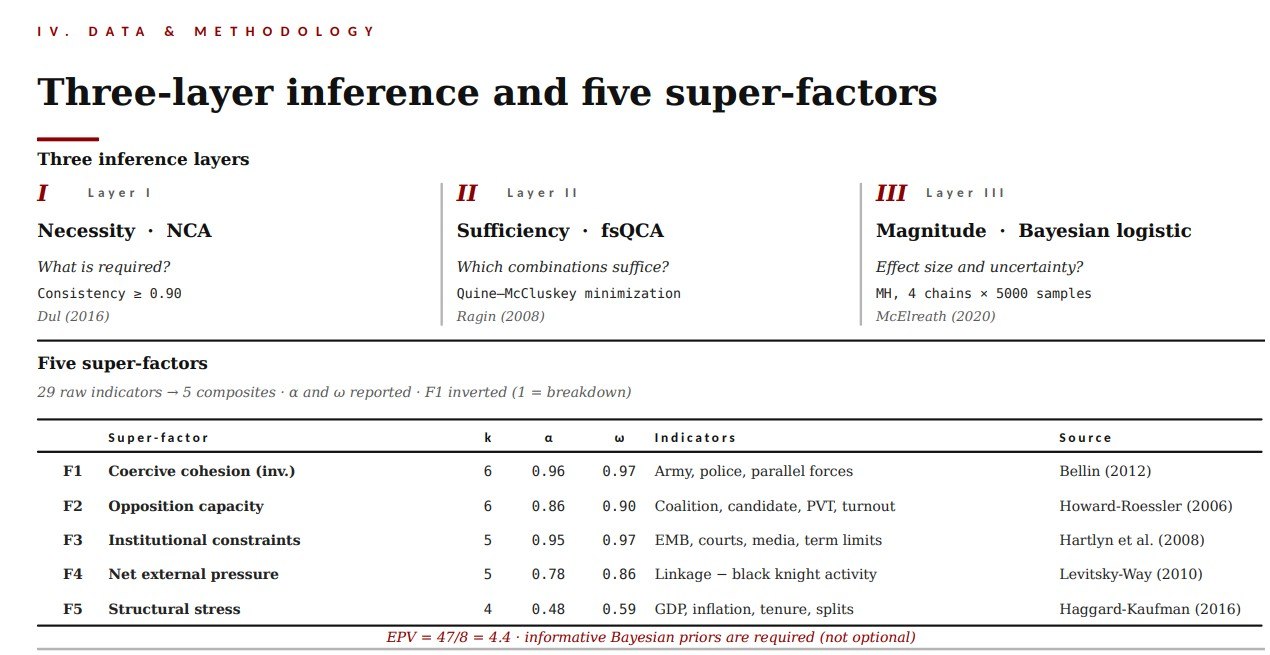
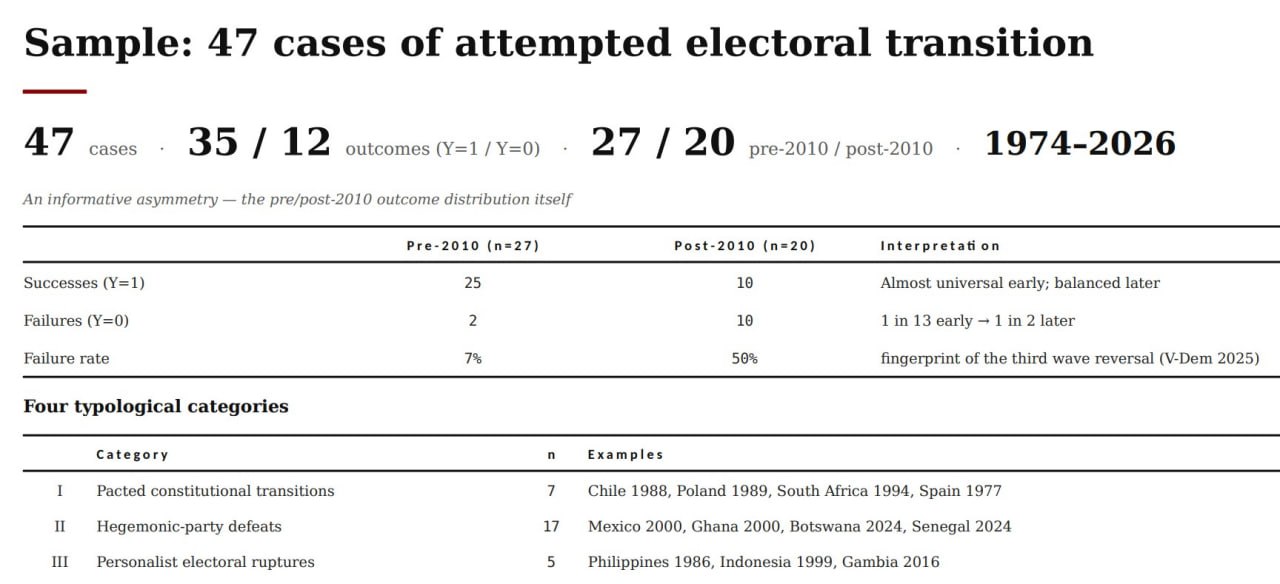
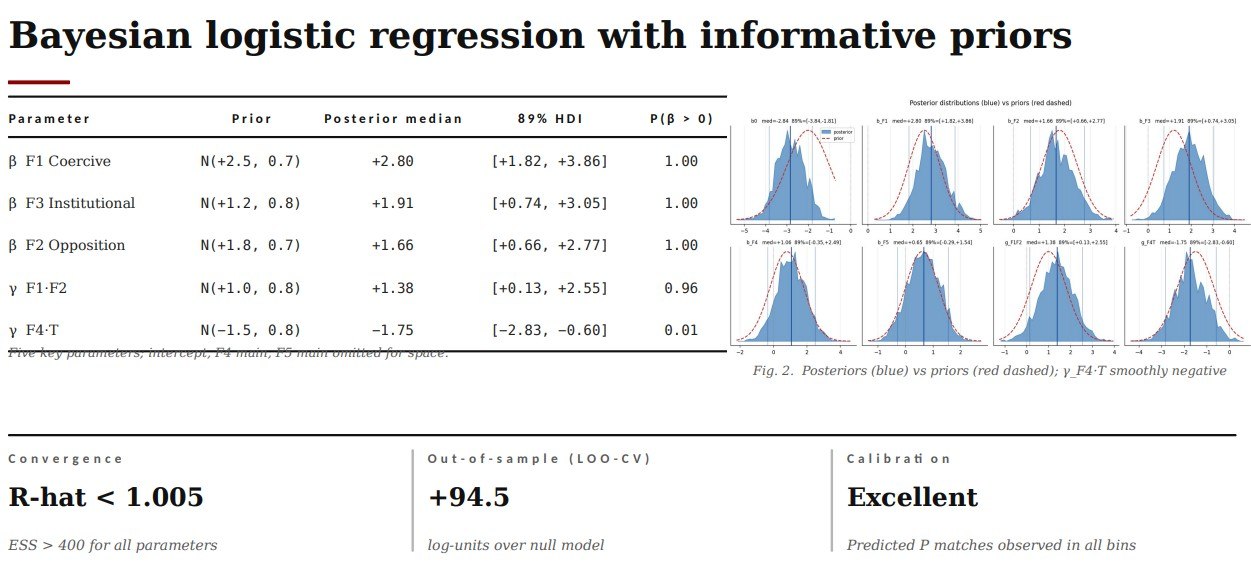
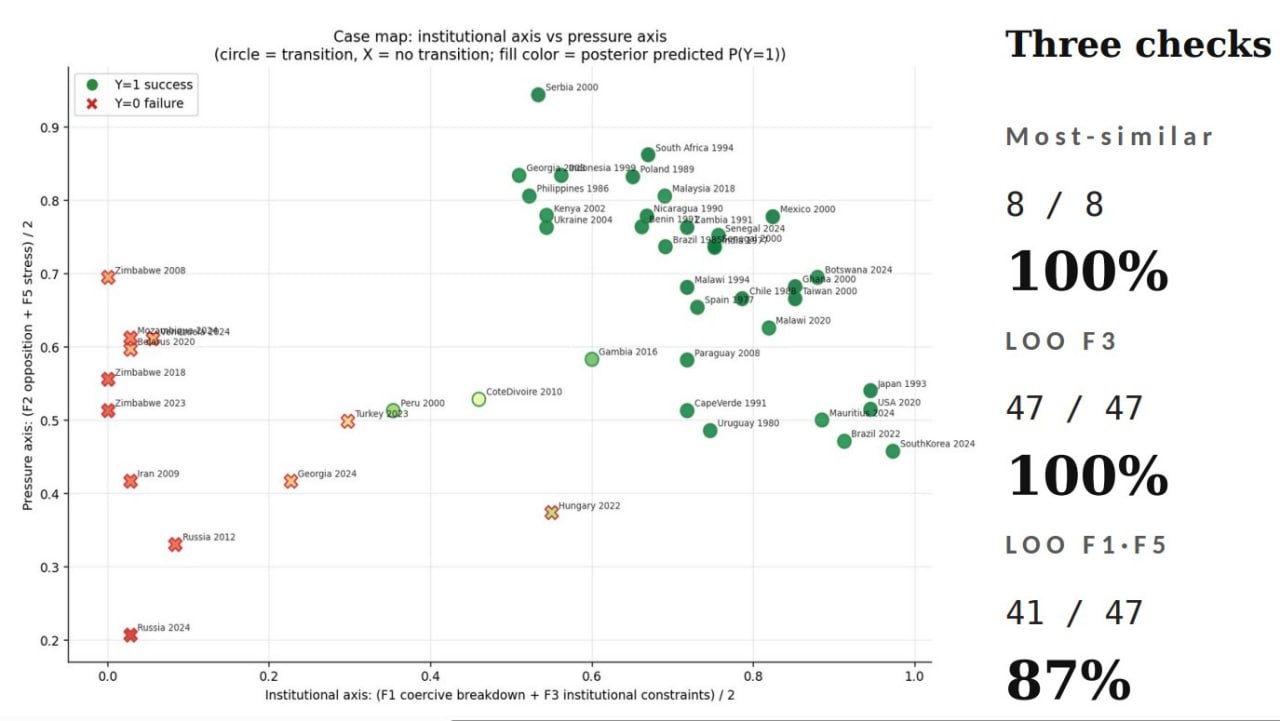
Given the many factors that influence election outcomes, can they be grouped into aggregate indicators and used to build models that, on the one hand, explain the dynamics of political change and, on the other hand, have predictive power?
This report includes the most important slides from the presentation, so retelling the content is not our task here. What matters is that the topic left no one indifferent. Among the participants were specialists with backgrounds in mathematical methods, political processes, and the specific balance of forces in the countries under consideration — so the questions and comments were highly substantive.
My sincere gratitude, as the academic supervisor, goes to Igor Zelmanov @Zelmanov, Mikhail @Mikhail_monit, Igor @tverskayad, as well as to our lecturers Tatiana @tatsuhareva and Nazi @Nazi R for their participation. I hope you will share your impressions of the pre-defense in the comments and summarize your remarks and suggestions.