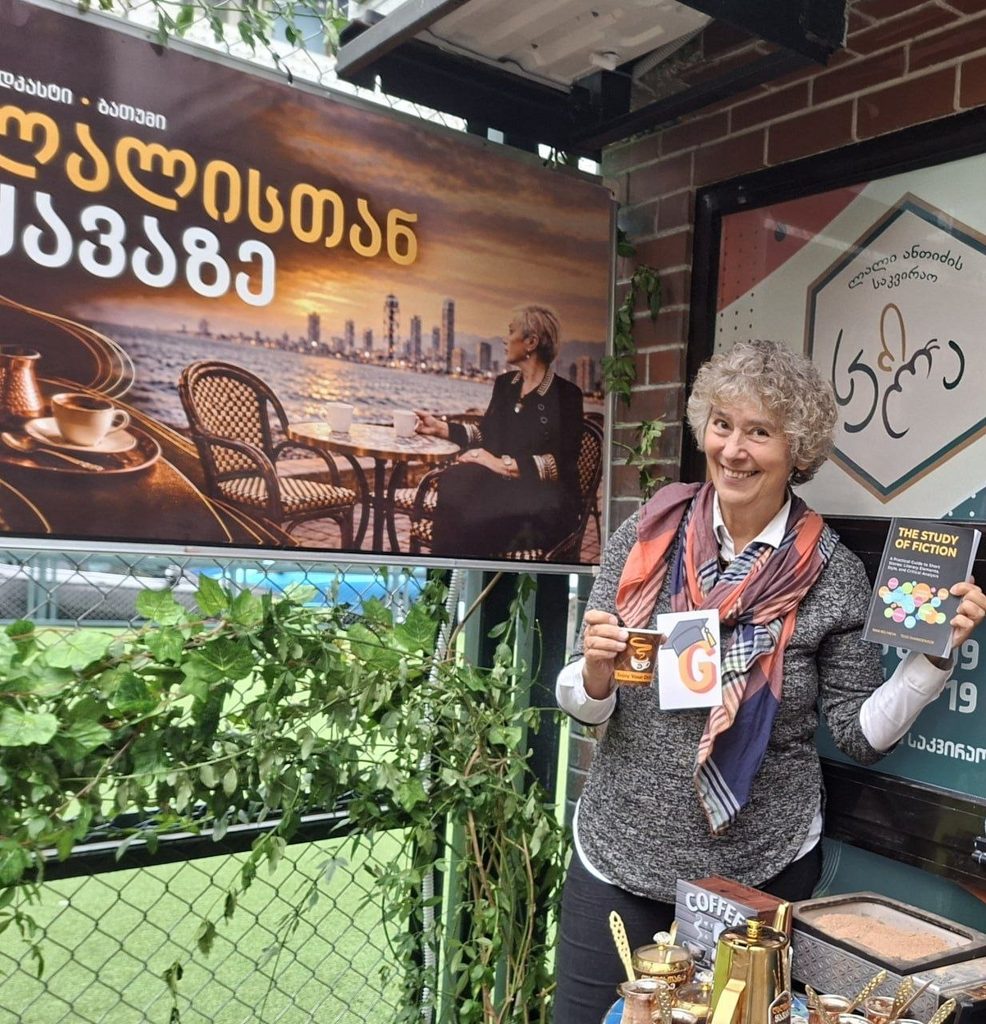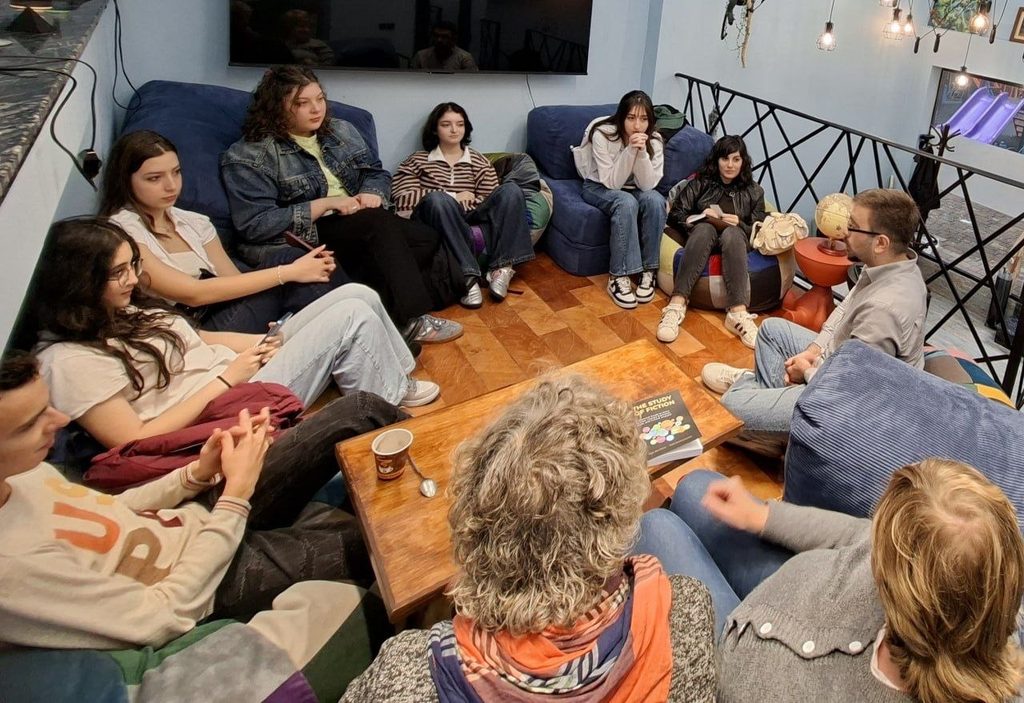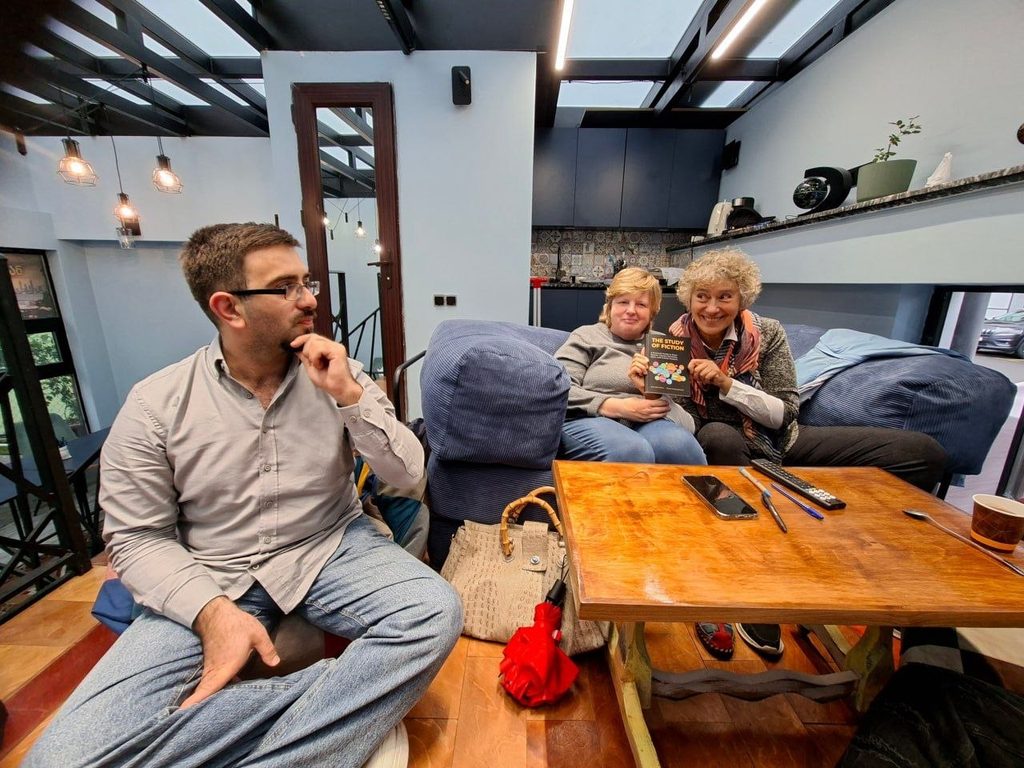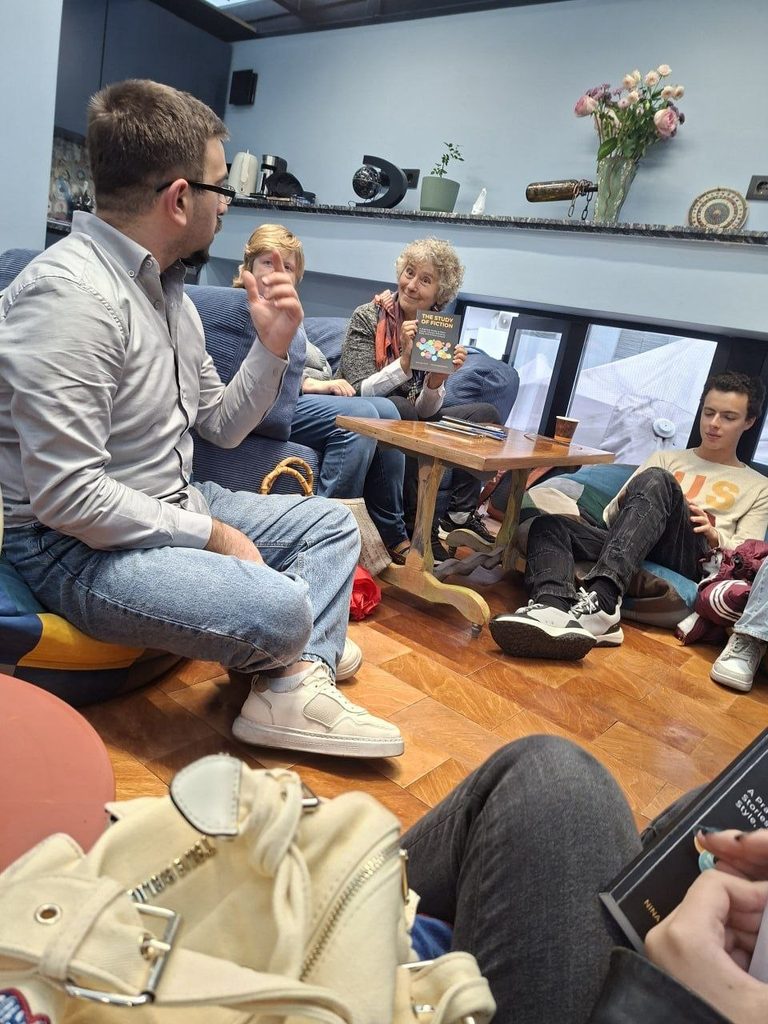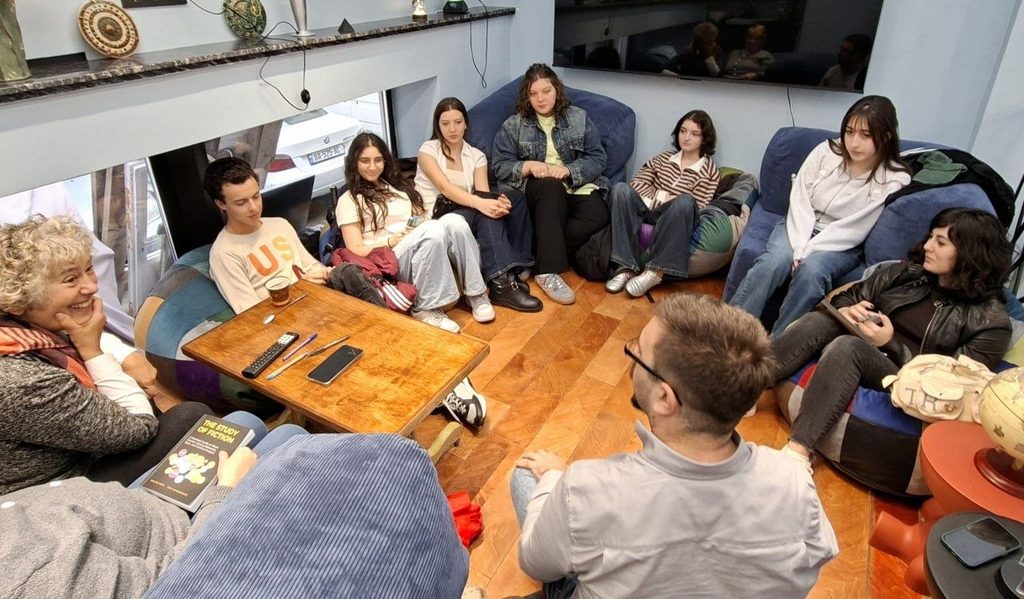
What a wonderful BOOK PRESENTATION we had for The STUDY of FICTION — a fantastic resource for everyone who is LEARNING ENGLISH on their own, as well as for those who TEACH OTHERS — but not through textbooks focused on “bare grammar.” Instead, the texts we study are short stories — simply GREAT CLASSIC LITERATURE, which is a unique pleasure to read in the original!
To help readers understand and appreciate the full depth of these texts, our book includes a glossary of the most important words and expressions in each story, making them easy to remember in context. It also provides essential facts about the author, helping readers understand where the story came from and the circumstances in which it took root.
For teachers, there are ready-made lesson plans — Worksheets — with questions and assignments showing how to read and analyze each story without missing the subtle nuances, important details of the characters, and descriptions of the setting.
But perhaps the most fascinating part is exploring the literary techniques authors use to capture readers’ attention — not through gunfire and car chases, but through depth of thought, vivid imagery, and the many layers of meaning hidden “between the lines.”
This book is about HOW TO TEACH PEOPLE TO READ — literature in general, and literature in English in particular.
And it is certainly not intended only for “schoolchildren and teachers.” For any EDUCATED person, this book can open up a whole new world — the world of short stories from classic British and American literature, which are rarely studied in schools and are not often translated.
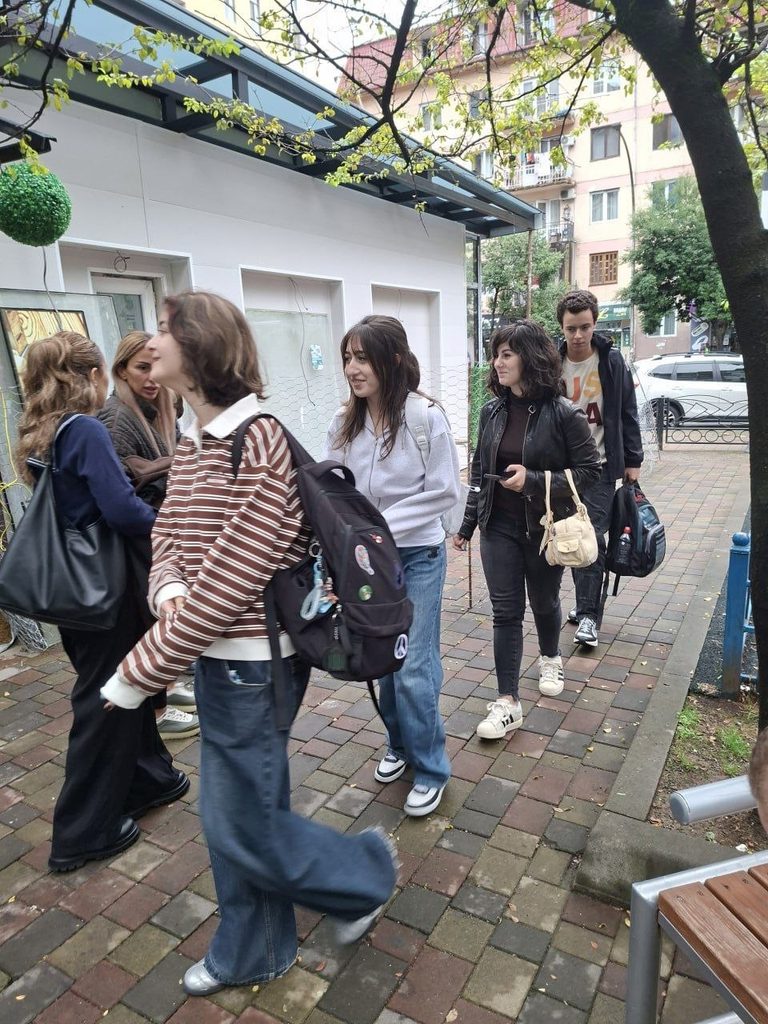
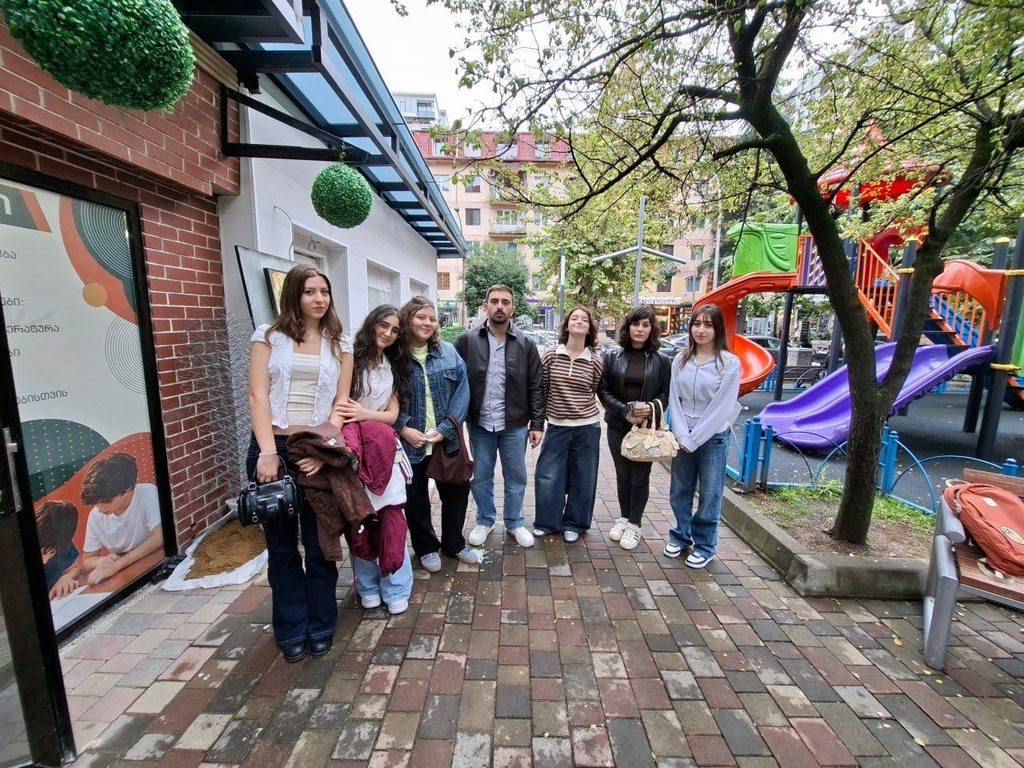
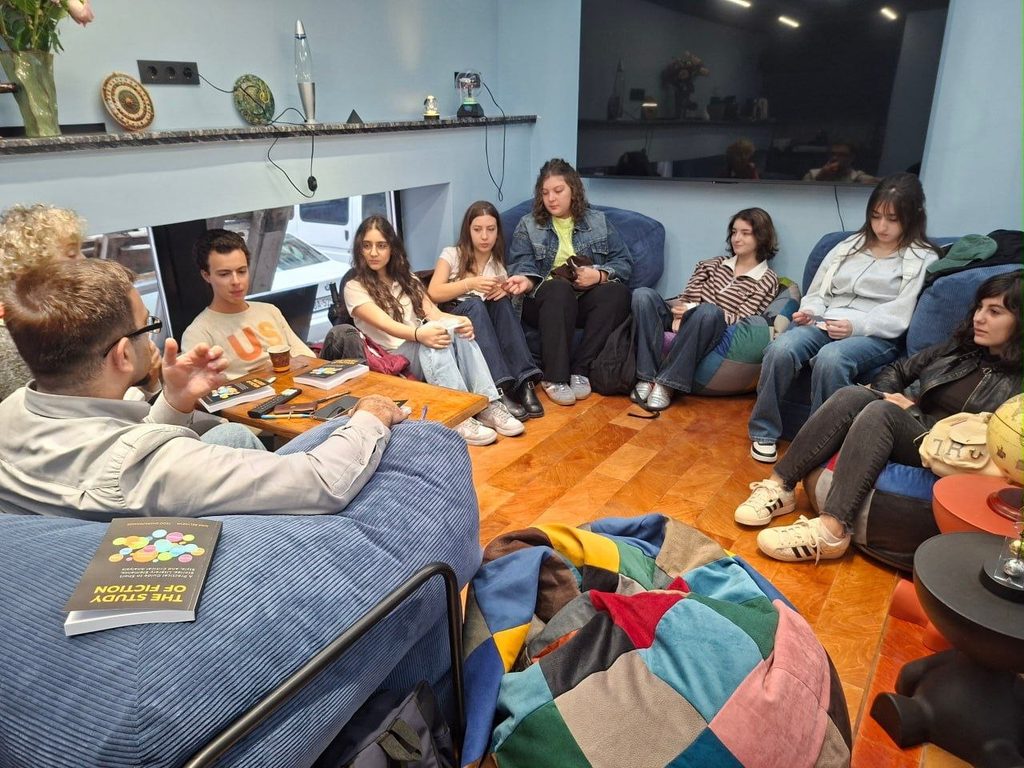
We discussed all of this at the PRESENTATION, attended by our students and colleagues from Nike School and Nomad University Lyceum 🎓, including @yantalka. They actively participated, asking questions about the concept and structure of the book, its potential use in other schools, universities, and lyceums, its value in preparing for school literature debates, and even its future editions!
My colleagues from Nomadic University — @shota_kakabadze and @tatsuhareva — also joined us, along with our Georgian colleagues who have collaborated with the Nomads for many years, such as @makho1. The staff of Lali Antidze School, where we held the presentation, were also incredibly helpful.
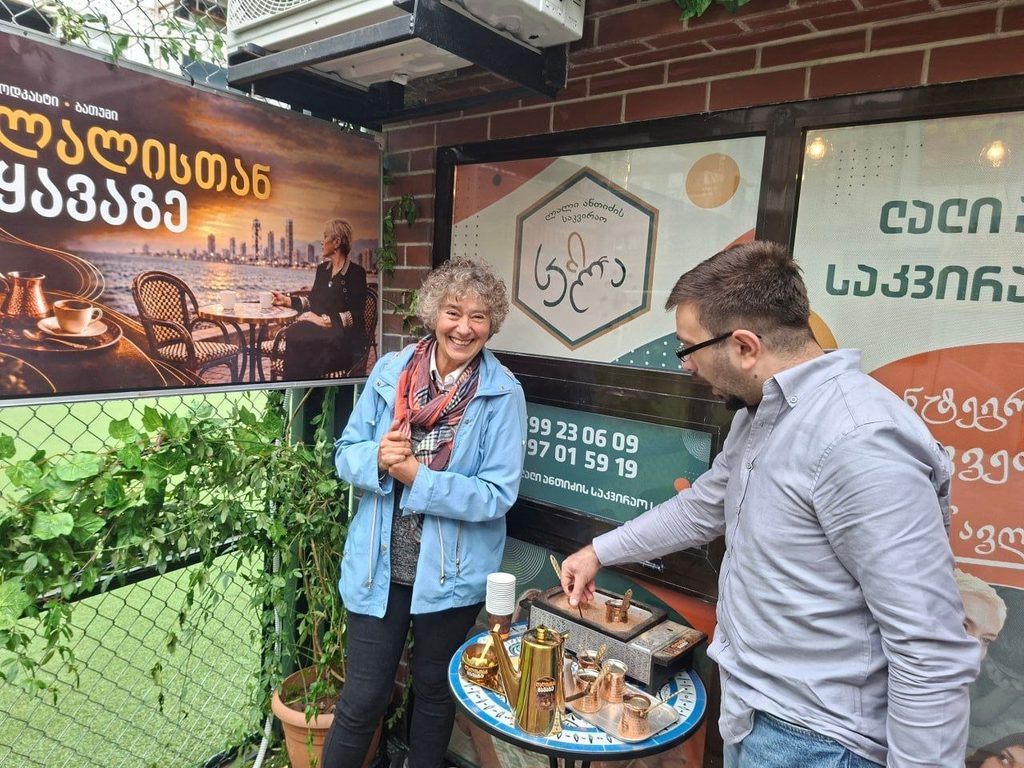
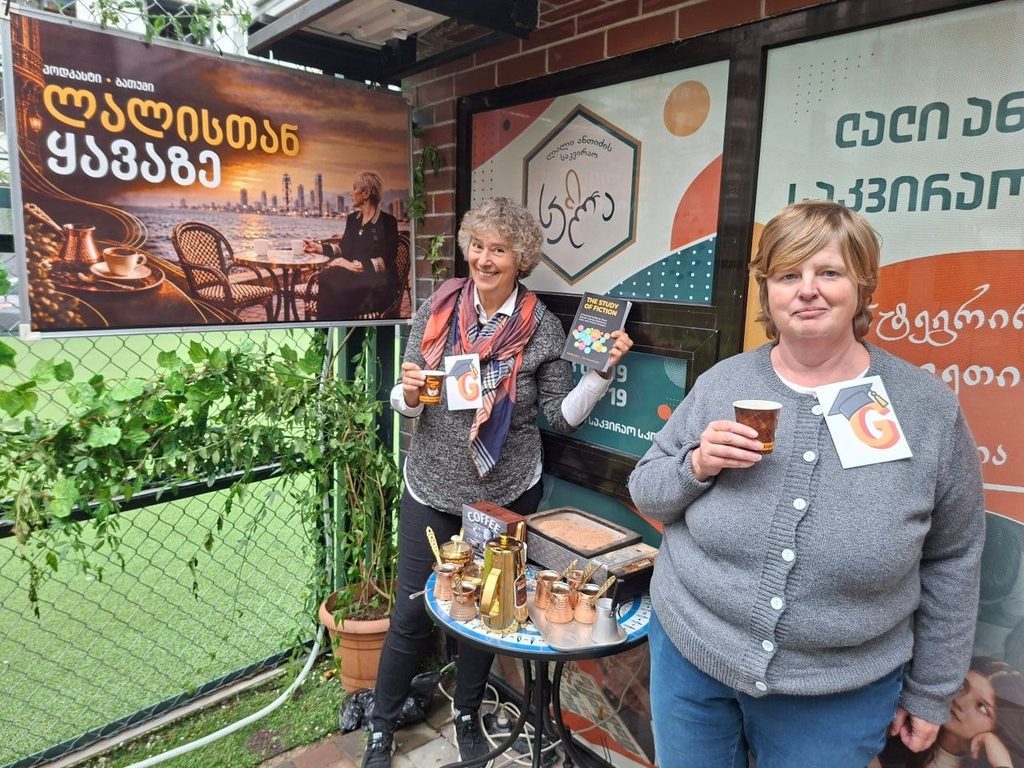
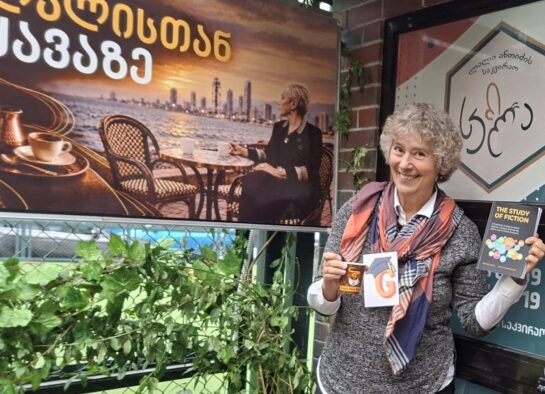
A HUGE THANK YOU for the hospitality of Lali herself, the owner of the school, who personally made coffee for the guests right in the courtyard, following a wonderful tradition inspired by the Italian “caffè sospeso” — where anyone can contribute a couple of lari and prepare a cup of aromatic Batumi coffee for a neighbor or an old friend, then enjoy a conversation together on a nearby bench.
The coffee is brewed in a traditional cezve (the coffee is brewed in a traditional Turkish coffee pot) over hot sand, and whoever uses the coffee station leaves a few coins in a small box to help buy the next batch of coffee.
What a wonderful tradition that helps strengthen the local community! ☺️ And this is something the Nomads are always happy to support — especially through books, educational initiatives, and lifelong learning! 🤓