Course Description
The course introduces participants to the unique nature of Western Georgia, its endemic species of plants and animals, including those listed in the Red Book. The course immerses students in the richness and diversity of the inhabitants of forests, rivers, lakes, and the Black Sea, and teaches how to live in harmony with nature, including during hiking trips.
Prerequisites
The experience of living in Adjara, getting to know its nature, curiosity and a serious attitude to environmental protection.
Learning Goals
- to show the uniqueness and richness of the nature of Western Georgia
- to acquaint participants with the Red Book plants and animals, the conditions of their life, protection, reproduction
- to teach to distinguish between dangerous, poisonous plants and animals, as well as useful, eatable and helping with diseases
- to give the basic skills of organizing safe hiking and share the best routes
Learning Outcomes
- appreciate the region's unique natural environment
- learn to live with protected areas and endangered species, understand the unique characteristics of the environment—both for your own immersion in the region, increasing your scientific and practical knowledge, and for potential work in the tourism industry
- learn to identify poisonous plants, mushrooms, insects, and snakes
- gain knowledge about all the tasty and healthy things you can find in the forest
- discover the top 10 routes according to Batumi's largest hiking club
- become familiar with the "hiking vs. professional mountaineering" narrative
- gain an understanding of how to comfortably and informatively travel through the region's unique natural sites
Class topics
1. What makes the nature of Western Georgia really unique. The geography and climatic zones of Western Georgia are like "living museums" of the Tertiary period: ecosystems that covered the whole of Eurasia millions of years ago have been preserved here.
2. Trees and plants. The flora of Colchis has about 450 endemic species, which is 25% of its total flora. This means that one in four plant species is found nowhere else in the world. Practical exercises to search for endemics: Colchis boxwood, berry yew, chestnut (noble), Caucasian persimmon, fig - they are listed in the Red Books. Practical classes in the Botanical Garden. Poisonous plants, mushrooms and snakes Dangerous species are found in the forests of Western Georgia, so it is important to be able to distinguish them
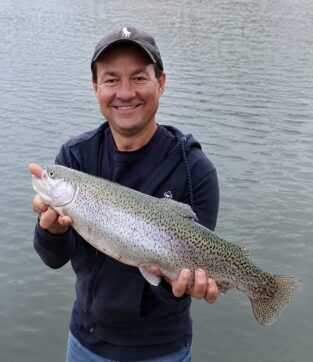
3. Mountain rivers of the region. Study of the Chorokhi River on the border of the two states. The Chorokhi River is not just a waterway, but one of the main and most powerful natural dominants of Adjara, which forms unique landscapes. Study of the flora and fauna of the river. Features of valuable trout species, the life of the most beautiful mountain fish in the region.
4. Mysteries of the Black Sea. It is the world's largest anoxic pool, and this feature makes it truly unique: two layers of water and the "Death Zone". This layer, which occupies about 87-90% of the total volume of the sea, is completely devoid of oxygen and is saturated with poisonous hydrogen sulfide (H₂S). Species of marine fish. Underwater rivers. The "boiling" sea.
5. Hiking in Western Georgia: tracking, hiking, mounteneering: safety basics, useful tips. Preparation, equipment, camping safety, weather, wildlife, communications, emergencies. Features of the culture of local residents that are worth getting to know. Red Book fish, fishing in Georgia. Environmental legislation
Assessment
2-3 pages and a photo report of 5-7 slides describe a Red Book plant or animal found on its own during a hike in Western Georgia. The description includes information about why this species is listed in the Red Book, what threatens it and what measures should be taken to preserve it. Possible:
- to defense Project of a multi-day hike in the region with the setting of research goals and protection of the entire list of safety measures on the hike.
- research works on rare Red Book animals, fish, insects. Or generic papers on the human impact on flora and fauna, for example, the impact of dams and hydroelectric power plants on the ecosystem of the region. Problems of environmental preservation.
Examples of thesis topics:
1. The state of sea water near the city of Batumi (Effluents are washed into the water from mountain slopes and streets, rotaviruses, storms and currents, Port. Extraction of sand and gravel and etc.).
2. The impact of the tourism industry in Adjara on the problems of environmental conservation (regulatory framework, diagnostics, a series of expert interviews, the experimental part, etc.)
3. Organization of a safe multi-day tourist trip along the routes of Adjara (with elements of research work, monitoring, risks, training of beginners, modern equipment, navigation, etc.).
4. Fish resources of Adjara (industrial and sport fishing, rare species, introduction to ichthyology, basics of sports guiding)